Coolearth Hosts PHP 2025 Opener: A Reception & Discussion
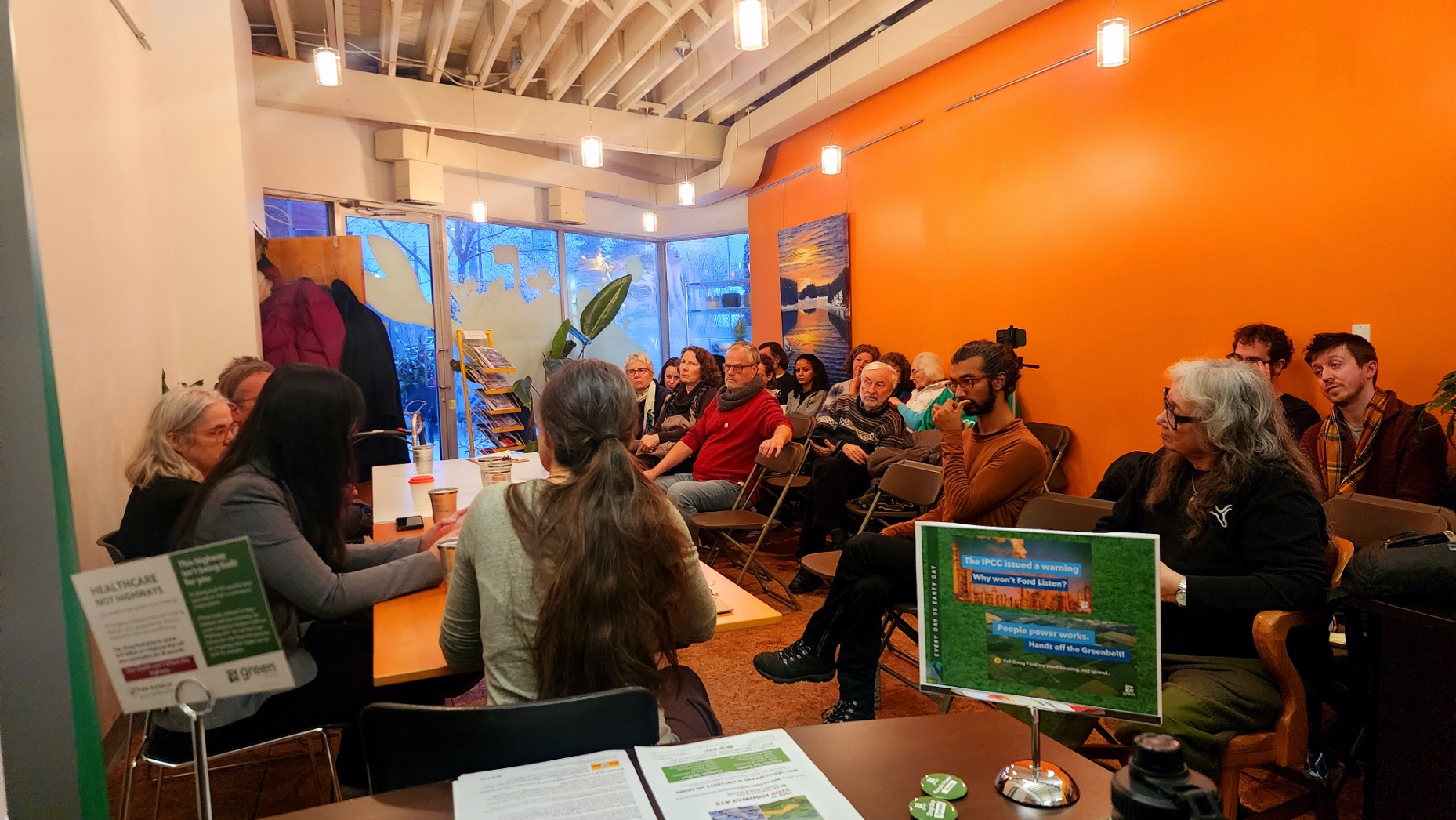
Last week, Coolearth Architecture had the pleasure of hosting representatives from the Parkdale-High Park Green party during their 2025 opener. The event served as a welcome to the hopeful new year, a gathering of the community and a platform for insightful and crucial discussion regarding Bill 212 and the foreseeable future.
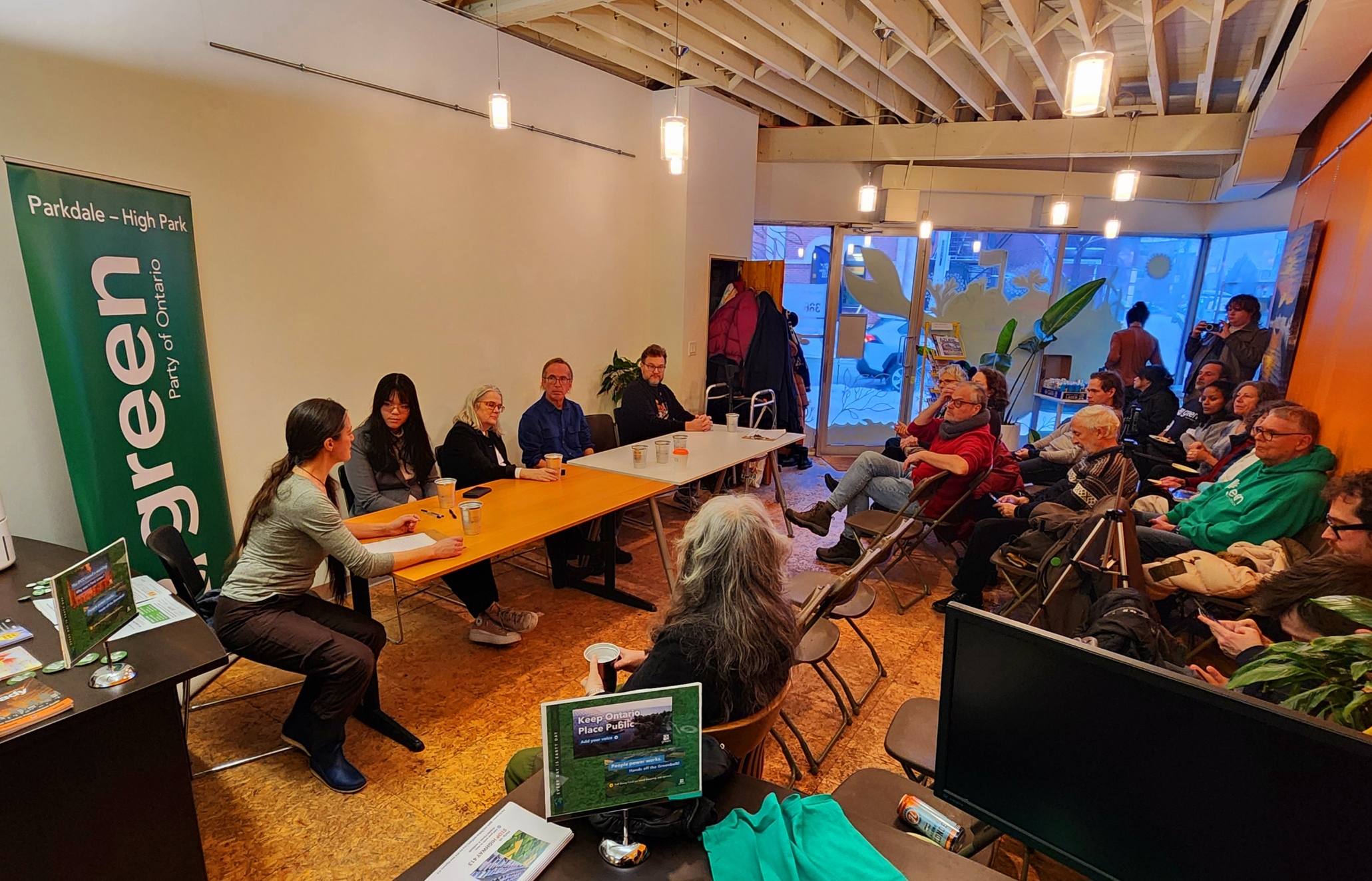
Organized by activism engineer Anna Gorka, she and four other panelists led an invigorated conversation regarding the current state of the city’s many transit systems and future measures that need to be taken. Joined by: Michael Longfield – Executive Director of Cycle TO, Chloe Tangpongprush of TTC Riders, Patrick Macklem – GPO Justice Critic and Coolearth’s very own Principal Architect Sheena Sharp, GPO Housing Critic, the panelists discussed critical viewpoints regarding several relevant matters.
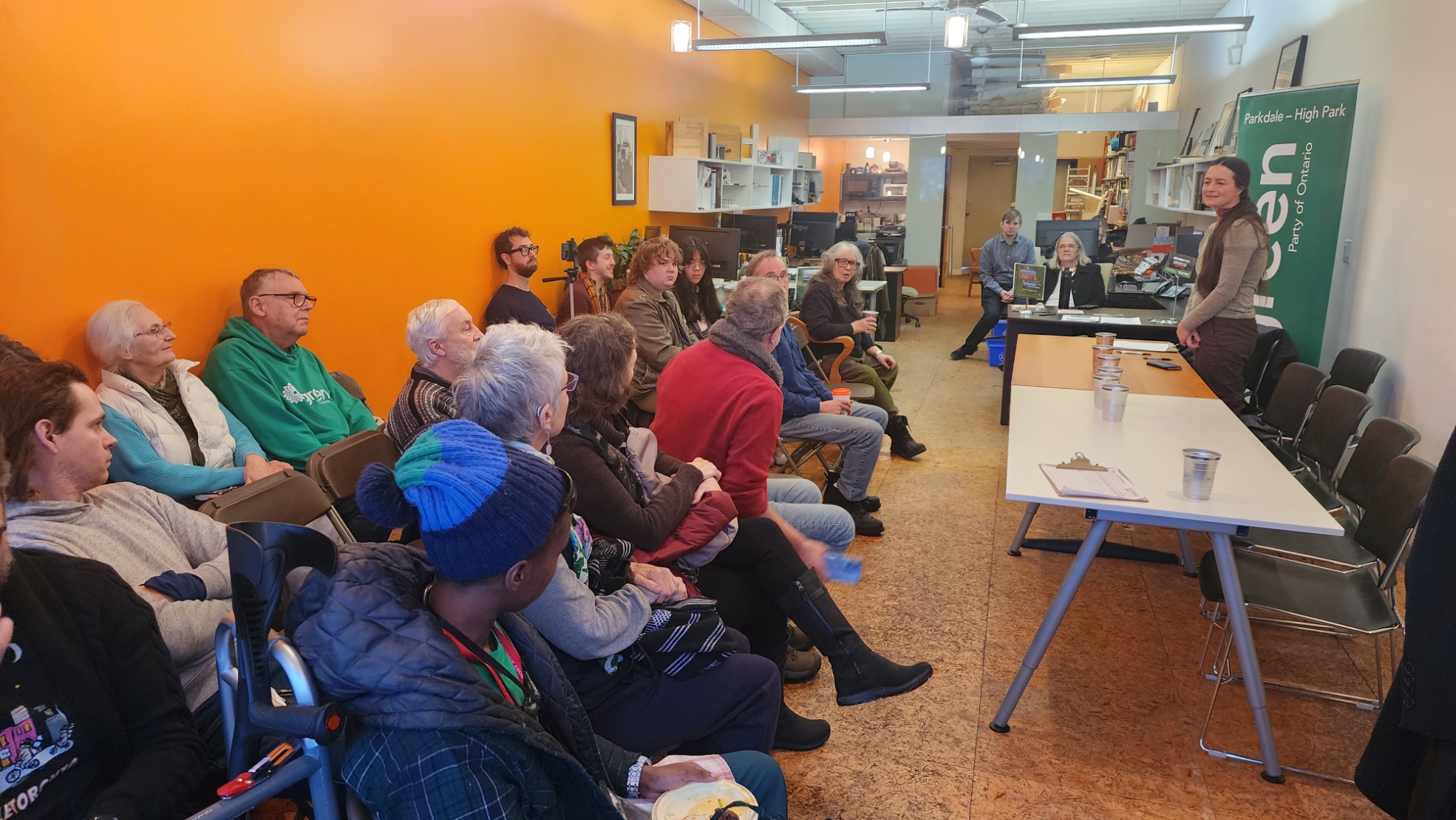
With a focus on opposing premier Doug Ford’s Bill 212, the panel shed light on both the importance and the disheveled state of Toronto’s bike lakes. The bill threatens to demolish the bike lanes around the city, in order to free up more space for motor vehicles. Although the lanes are an important element to the city’s transit network, the current system has not been polished to the point it should be. Bikers still interfere with other traffic, the lanes are inconsistent between regions, and are difficult to use in the winter seasons. Many of the TTC’s pitfalls were also discussed, such as nonfunctional elevators and lack of cleanliness. Many of these issues can be traced back to the overall lack of funding in the departments responsible for these services.
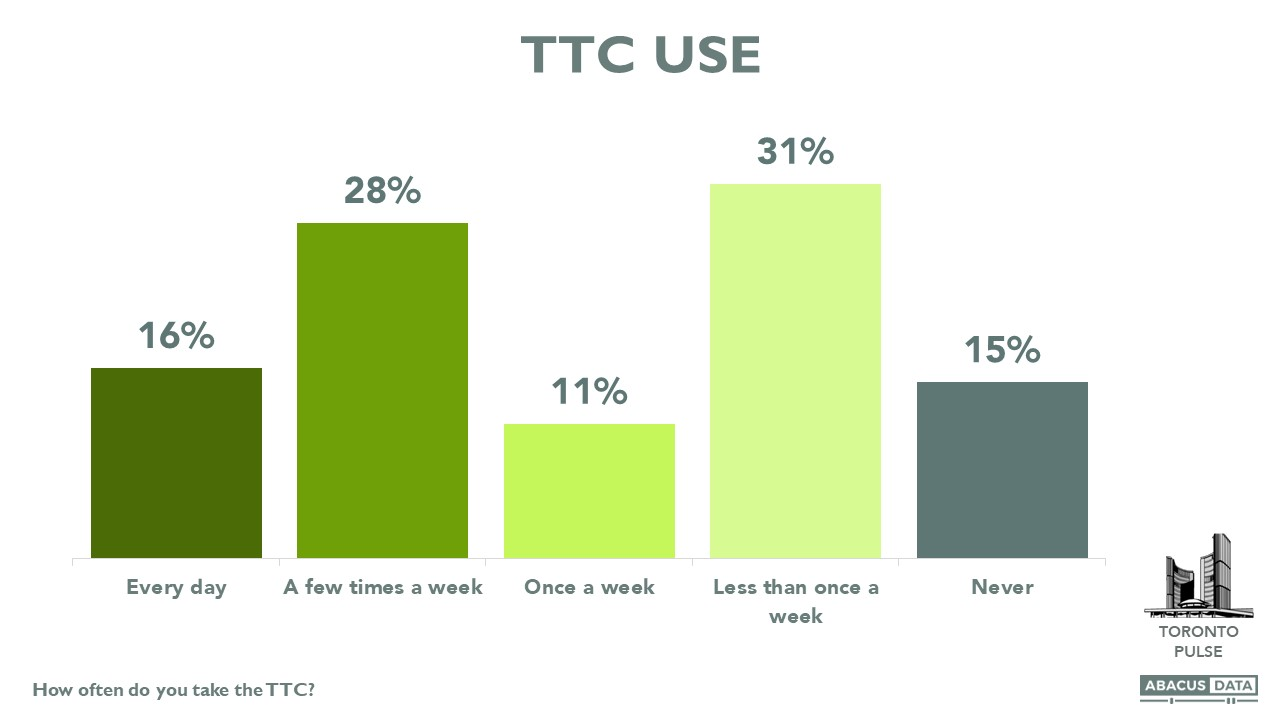
The vital role of Toronto’s transportation systems cannot be overstated, as millions of people rely on these services daily. For many, public transit is not just an option but a necessity. Beyond providing accessibility, it is a key driver in reducing road congestion and lowering carbon emissions. Expanding highways is not a sustainable solution to traffic challenges. Instead, improving and innovating our transit systems offers a more effective approach, decreasing vehicle reliance while delivering significant benefits for the environment.
While it’s easy to toss out suggestions for what should be done, backing up these claims requires a lot more thinking. Most citizens do not feel enticed to support these projects unless there is a clear and logical plan of action, with a reasonable timeframe. Not every movement can be a pilot project, as the public loses faith and trust in the system when year-long timelines erode into projects that span half a decade. Additionally, lack of funding acts as a constant barrier, severely restricting positive action for any one group, without the support of other people. In order to build a more cohesive and collaborative future, we must begin with those values already rooted in our minds.
Coolearth’s stance on sustainability and defeating climate change has been set since the company’s conception. As an Architectural firm that focuses on net-zero buildings and switching to clean energy, our commitment to environmental responsibility is at the core of everything we do. We actively support initiatives and organizations that reduce our environmental footprint and drive meaningful change. Coolearth recognizes the importance of sending the necessary resources towards organizations with the goal of a cleaner future.
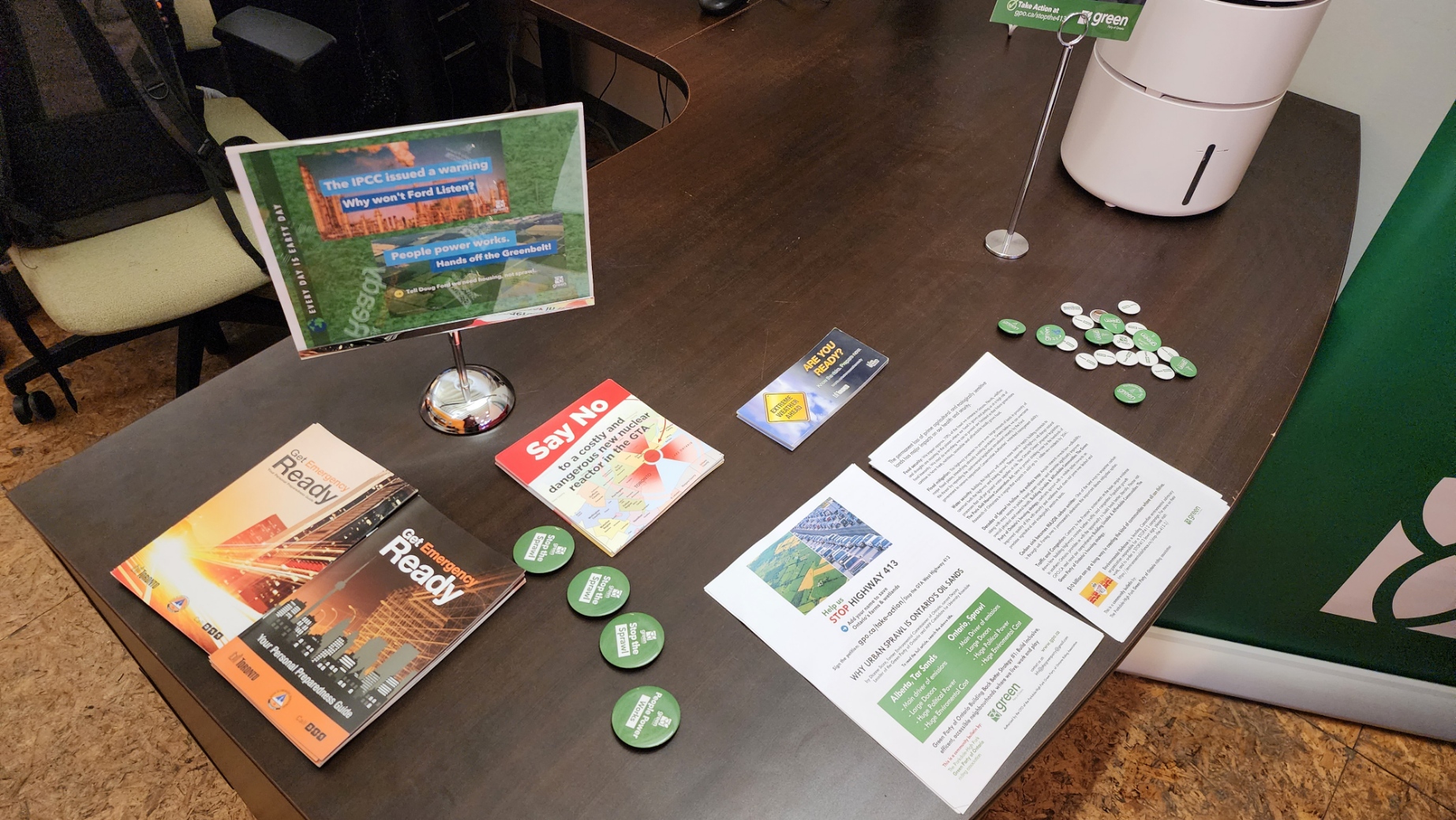
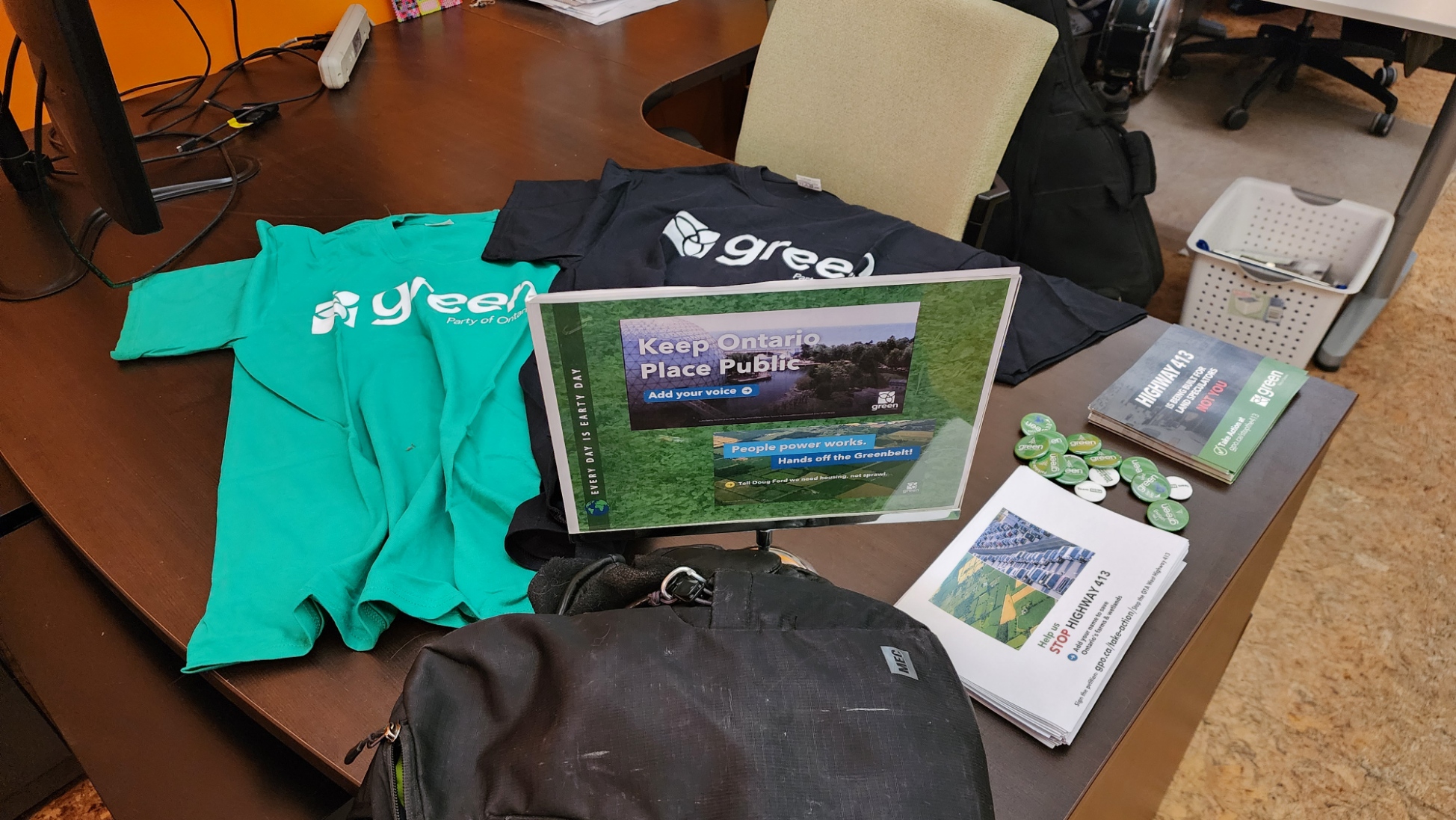
Overall, the opener event was a remarkable launch into the political world of 2025. Coolearth was proud to host this productive event, which brought so many critical thinkers together, who are committed to fighting for a greener and more synergistic future. Keeping the conversation flowing is crucial to the fight against climate change and the political forces that oppose this effort.
Thank you to everyone who came to share their ideas, and give their support.