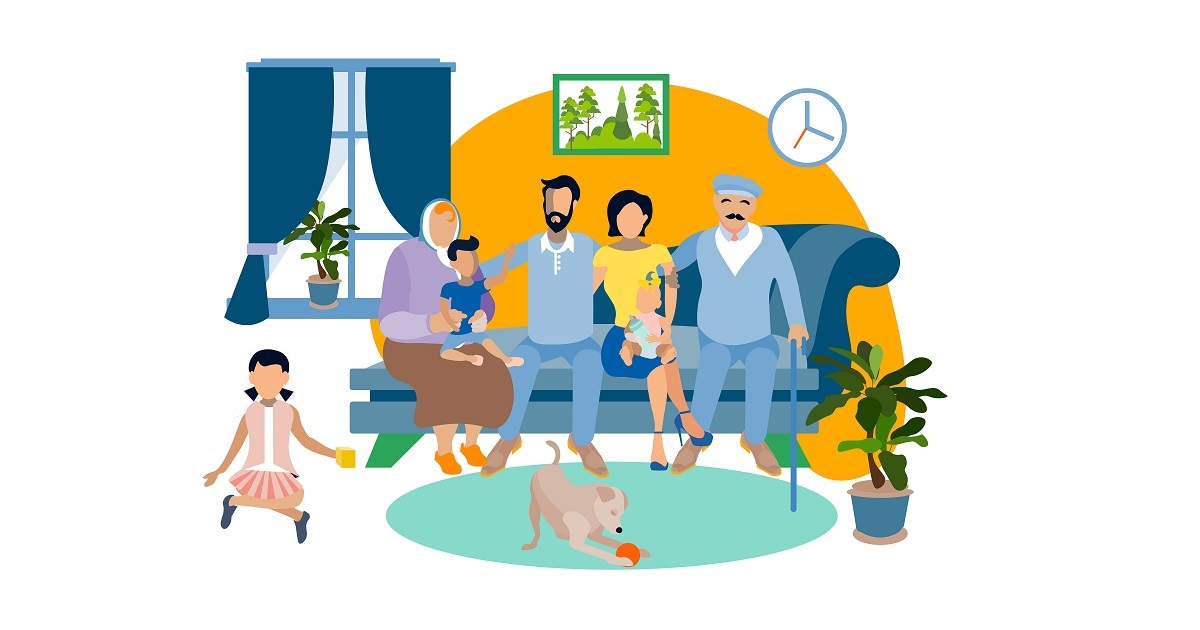
Intergenerational Housing Model: Building for Generations, Aging and the Planet
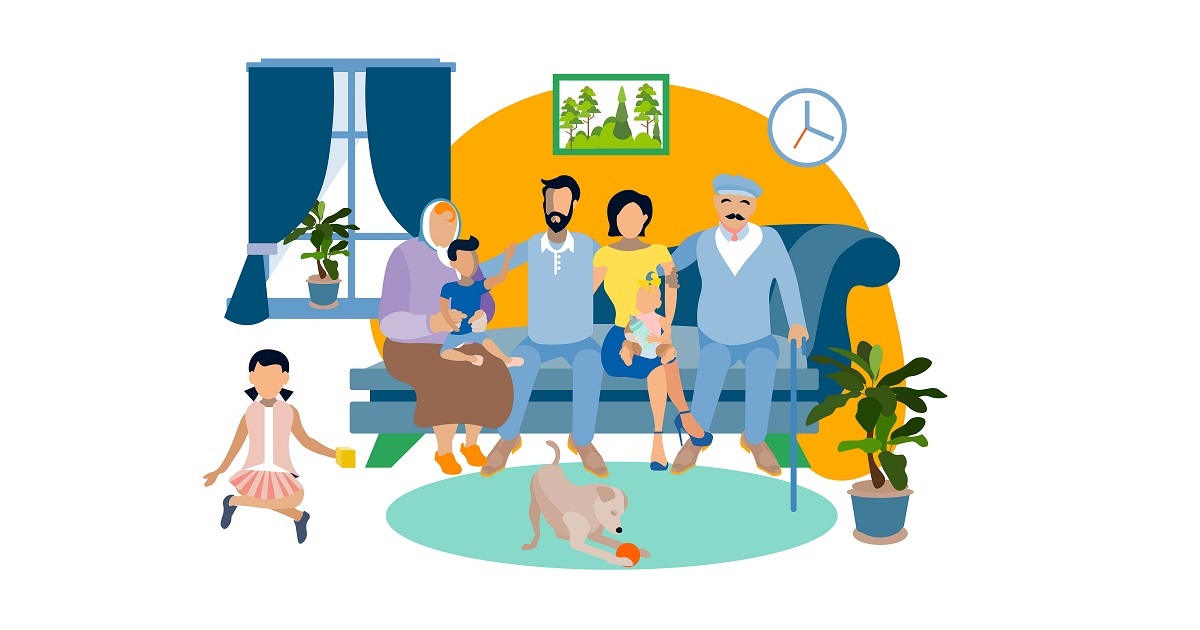
In a world of rising housing costs, increased demand for childcare and elder care, and heightened levels of loneliness and isolation, intergenerational housing has become an increasingly popular model to address today’s economic and social challenges.
The premise is simple; a dwelling or property that houses one or more generations (typically) within the same family. There are various ways this can manifest; co-living in one large house together, renovating an existing house to create separate suites under the same roof with shared or independent entrances or adding a garden/laneway suite to a property to increase density without altering the existing residence.
This blog post will cover the importance of identifying the scope of renovations required, methods of adding square-footage, aging in place and its convergence with intergenerational housing and finally how designing for energy efficiency can optimize the sustainable housing model even more.
Major Renovations = Major Costs
When considering renovating an existing house to add more square footage either vertically or horizontally, homeowners should keep in mind that major changes come with major costs. If fully gutting the home isn’t feasible within the project’s timeline or budget, it’s essential to retain as much of the existing structure and vertical circulation (e.g., stairs) as possible. Working closely with an architect through multiple design iterations is crucial, as initial project goals may need to be revised based on the home’s structural layout or zoning restrictions discovered during the design process.
Methods of Increasing Floor area
1. Underpinning Basements
Most Toronto homes lack the square-footage needed to make intergenerational living feasible without some form of renovation. A common approach for homes with basements is underpinning: a process that deepens the foundation to increase ceiling height and make the basement more livable. While this may achieve the goal of additional living space, it’s costly and expands the area that typically has the poorest natural light and views in the house.
2. Horizontal Additions
Another possibility to adding more square-footage whether homeowners have a basement or not, would be horizontal additions. This can be a great option for homes on large lots and whose zoning bylaws permits an extended building width and/or length. It must be noted that this option often comes with reduced exterior space so priorities should be outlined at the start of the design process to ensure that the final layout adheres to the homeowner’s expectations and current lifestyle.
3. Vertical Additions
Vertical additions are also a valid option and are particularly interesting for narrow lots where horizontal additions are not a viable option. However, depending on the location of the lot, zoning restrictions may limit the allowable height or stories of the dwelling which could automatically rule out the option of adding another storey.
4. Garden Suites & Laneway Suites
If zoning permits it, an option for homeowners wishing to add more square footage without altering the existing structure would be to add a self-contained residential suite to their property that is completely detached from the main structure. Both garden suites and laneway suites would be located in the rear yard and have its own living space, kitchen and bathroom, making it a mini backyard home. The area n which they differ is that, as the name suggests, a laneway suite must have access to a public laneway, whereas a garden suite does not have such requirement.
The addition of a garden or laneway suite offers their occupants a greater sense of independence as they would not be sharing a roof with the main residence but still have feel the comfort of having family so close by and easy access to borrow milk or eggs anytime; it essentially entails getting a same-property neighbor! It must be noted that the addition can be costly depending on project scope and design as the site will need to be prepared which would include excavation, grading and landscaping, on top of the introduction of utilities and services. However, home owners wishing to add one of these suite options can work with architects to define a project scope that is within their budget while meeting their needs.
For homeowners to get a better idea of what is possible when it comes to adding square footage to their house type, refer to this excellent by the University of Toronto called ReHousing that breaks now the possibilities for homeowners to alter 13 of the most common home types in Toronto with low, medium and high costs.
Aging In Place
To create a successful intergenerational housing model, architects should work closely with homeowners to address the idea of aging in place and what that looks like to them. Aging in place refers to the notion of being able to remain in the house that you currently live in or wish to live in as you age and might require additional physical and social supports.
The reality is, many aging homeowners are forced to leave the house they love because it can no longer support their changing needs; this could be the case for a variety of reasons, to name a couple:
- The house has multiple floors accessible by a steep staircase that the homeowner can no longer climb and whose infrastructure does not support a stair lift or elevator.
- The home does not have enough horizontal circulation space for a wheelchair user.
When designing an intergenerational home, it’s important to prioritize flexibility and adaptability to ensure it remains sustainable for all generations to occupy. Homeowners should focus on features that allow for future modifications, making it easier to support aging in place and changing needs over time. This could include opting to have one of the suites take up the entirety of the ground floor without having unnecessary steps between spaces that could cause a circulation issue in the future or, designing a wide staircase yo allow for the addition of a stair lift should it be required in the future. Essentially design a home in which residents can age in place means future-proofing it.
But architecture alone isn’t enough. Social support systems are just as vital for residents to age in place with dignity. This is where intergenerational living offers a major benefit as it naturally integrates emotional, physical, and economic support.
Incorporating Energy Efficiency
The cherry on top of an intergenerational housing model that supports aging in place and offers a sustainable long-term living solution for multiple generations would be to make it environmentally sustainable as well.
When it comes to renovating an existing property to support intergenerational living, homeowners should consider investing in energy efficient systems and materials to ensure that the property remains affordable long-term and user comfort is maximized no matter the age-group. The easiest way of doing this is to invest in Passive House certified windows and implement efficient shading systems, ideally exterior shades, as windows tend to be the weakest link when it comes to a building’s thermal envelope. Another way would be to ensure continuous insulation in the home’s wall and roof assemblies to avoid thermal bridging.
Final Thoughts
As housing challenges intensify and families seek more flexible, connected, and sustainable ways to live, intergenerational housing presents a meaningful solution. By thoughtfully renovating to add space, planning for aging in place, and investing in energy-efficient design, homeowners can create resilient homes that serve not just today’s needs, but those of future generations as well.