Coolearth Architecture Inc. provides environmentally sound architectural solutions for clients who want buildings that are beautiful, durable, comfortable, energy efficient, and aligned with a low-carbon future.
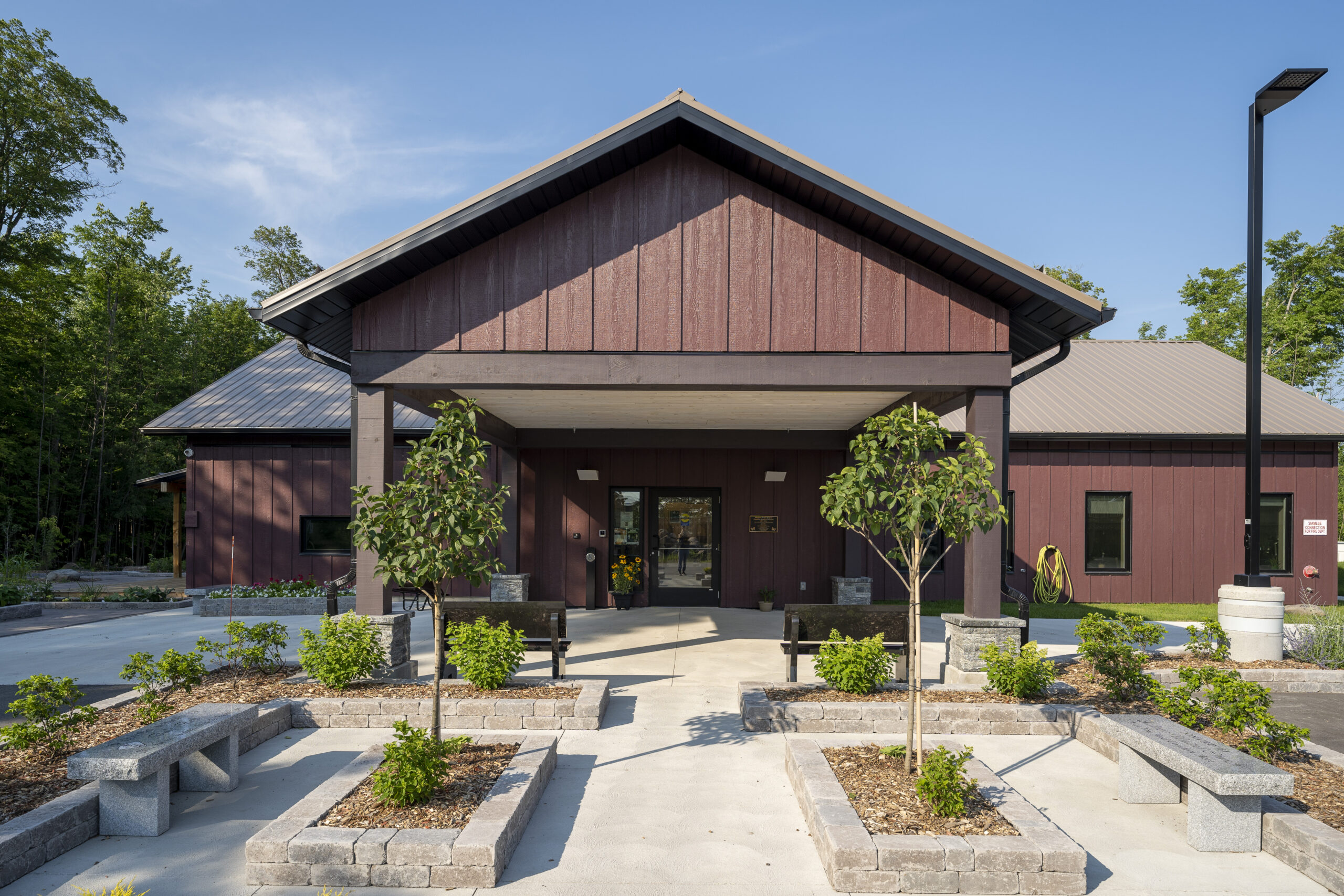
Founded in 2008, Coolearth is a full-service architecture firm based in Ontario with experience across residential, institutional, community, industrial, and non-profit projects. Our services include site selection, project definition, feasibility studies, design, consultant coordination, permit and contract documents, tendering, contract administration, energy modeling, Passive House design consulting, LEED consulting, and Net Zero Carbon building design.
We work on new buildings, major renovations, deep energy retrofits, custom homes, affordable housing, childcare centres, hospices, community buildings, and complex multi-stakeholder projects.
Across all of our work, our goal is consistent: to help clients create buildings that perform well, support the people who use them, and reduce long-term environmental impact.
Our Mission
Coolearth Architecture was founded to design, supervise, and implement projects that achieve high levels of energy efficiency, comfort, and durability. We believe that sustainable buildings are not a special category of architecture. Sustainable buildings are good buildings. Our experience in Ontario, from early design through construction, gives us a practical understanding of what makes buildings sustainable, buildable, comfortable, and long-lasting. We use building science, energy modeling, careful detailing, and collaborative project management to help clients make informed decisions at each stage of the work.
Our work on projects such as Mount Dennis Early Learning and Child Care Centre, Mariposa House Hospice, Coniston Seniors Non-Profit Housing, Kawartha Commons Co-housing, and Parry Sound DSSAB demonstrates our ability to work with municipalities, non-profit organizations, community groups, consultants, funders, authorities, and construction teams.
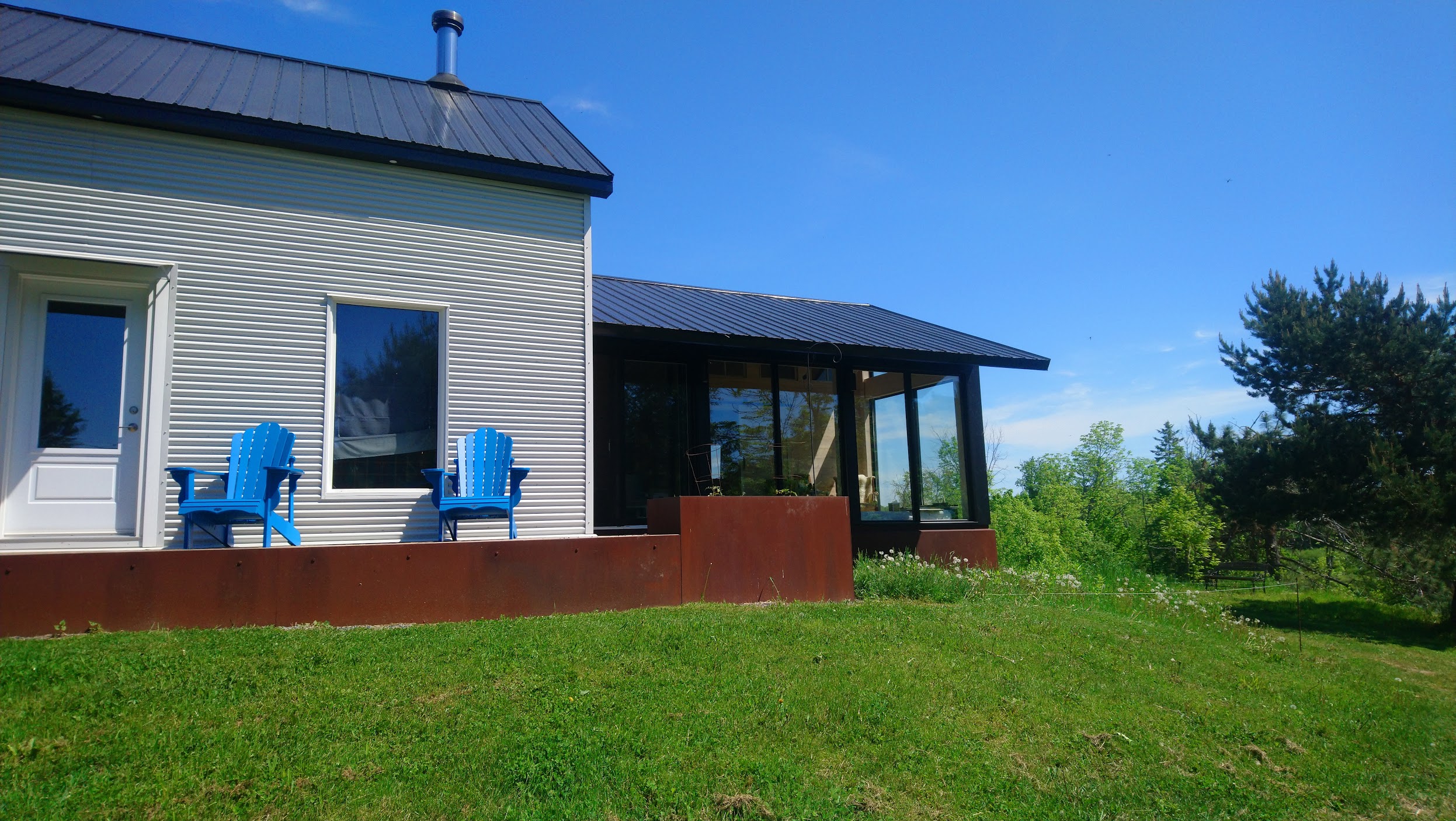
We believe that a good building should provide clean air, stable indoor temperatures, healthy materials, abundant daylight, strong connections to the outdoors, low operating costs, and long-term resilience. It should be practical to build, financially responsible to operate, and durable enough to serve its community for generations.
We believe environmental sustainability begins with an integrated partnership between the client, architect, engineers, consultants, contractors, and users of the building. The earlier this collaboration begins, the more effective the project can be. At the beginning of each project, we work with clients to define goals, priorities, constraints, opportunities, and measures of success. Sustainability is most effective when it is embedded into the design process from the start, rather than added as a separate feature later.
Sustainable buildings that work
For Coolearth, sustainability is not only about reducing energy use. It is also about comfort, health, durability, affordability, accessibility, resilience, and long-term value.
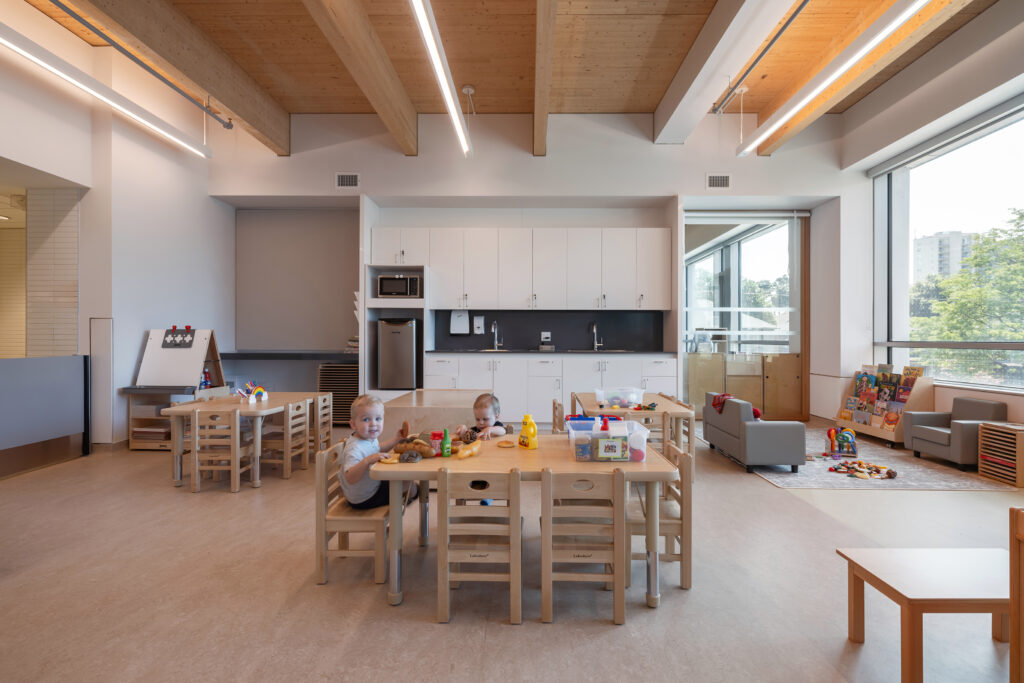
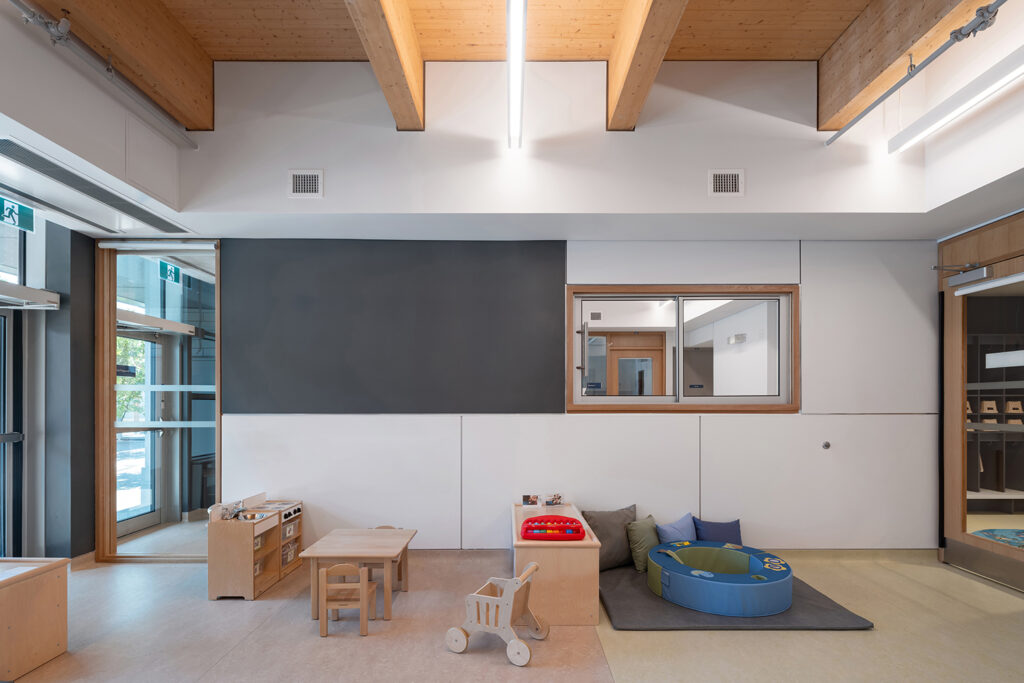
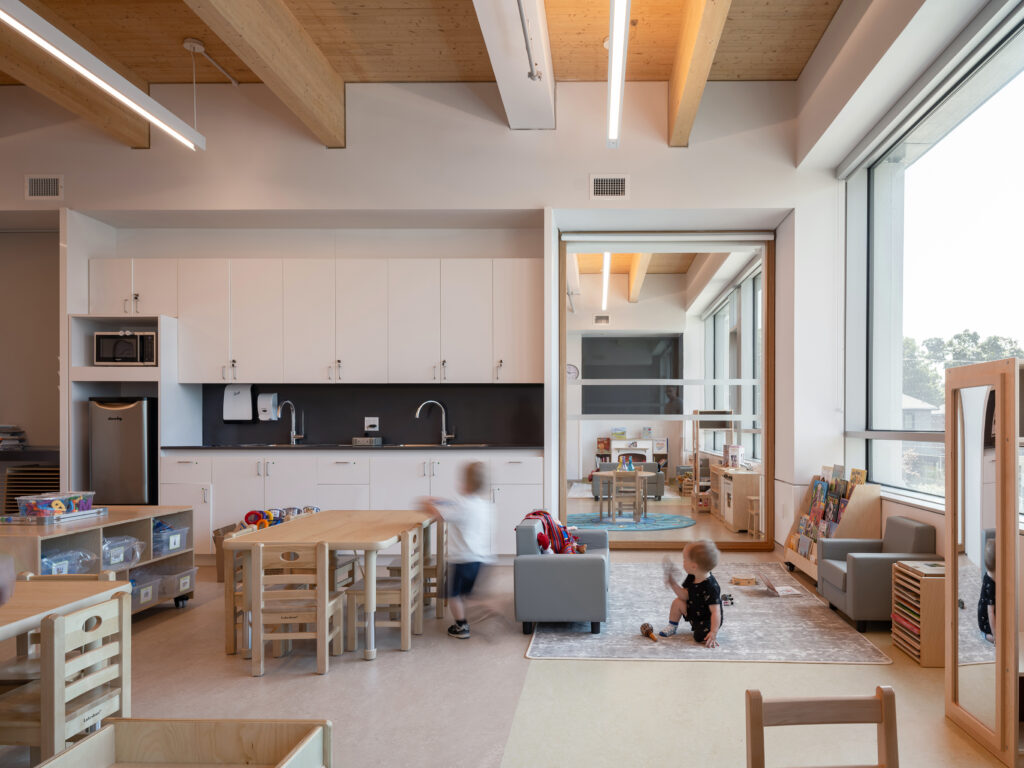
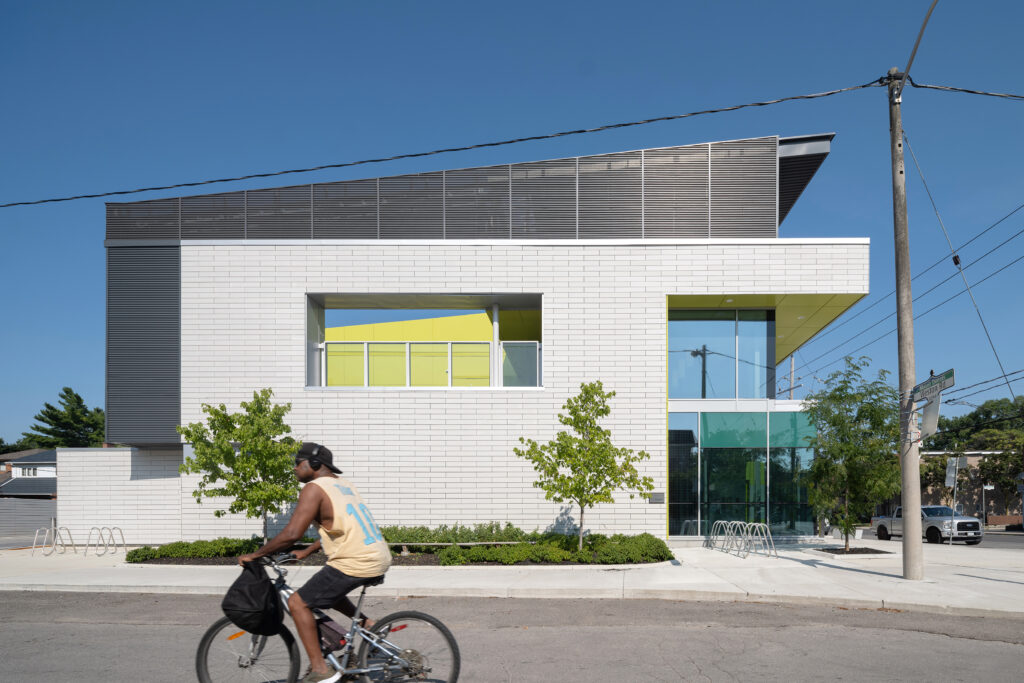
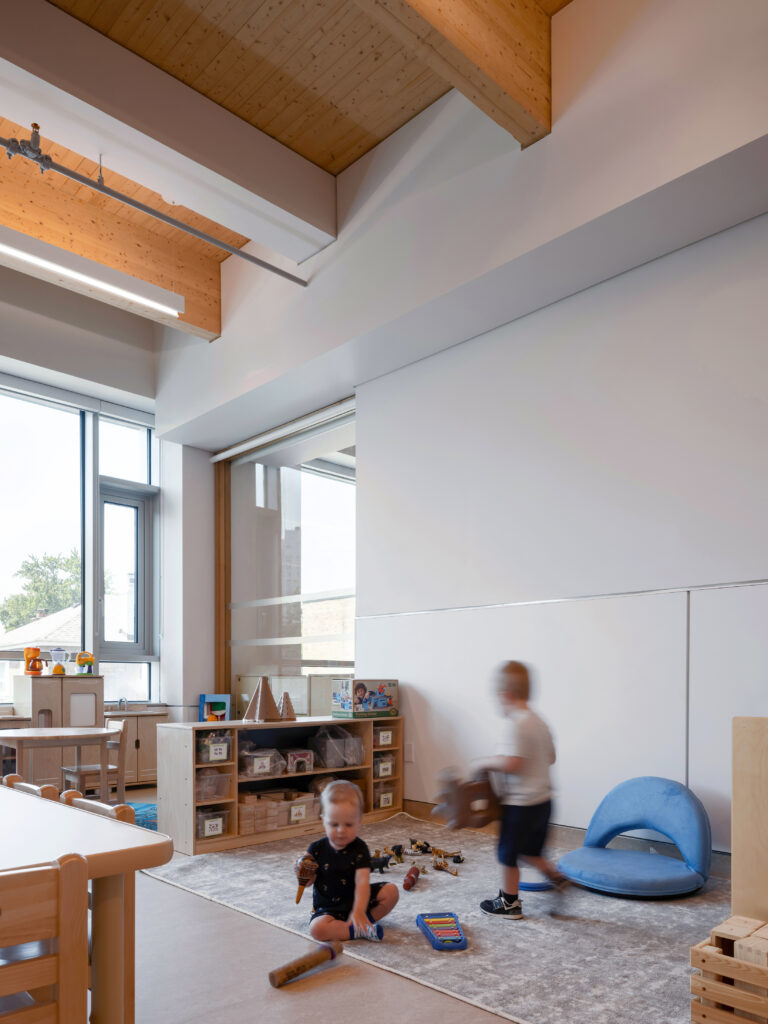
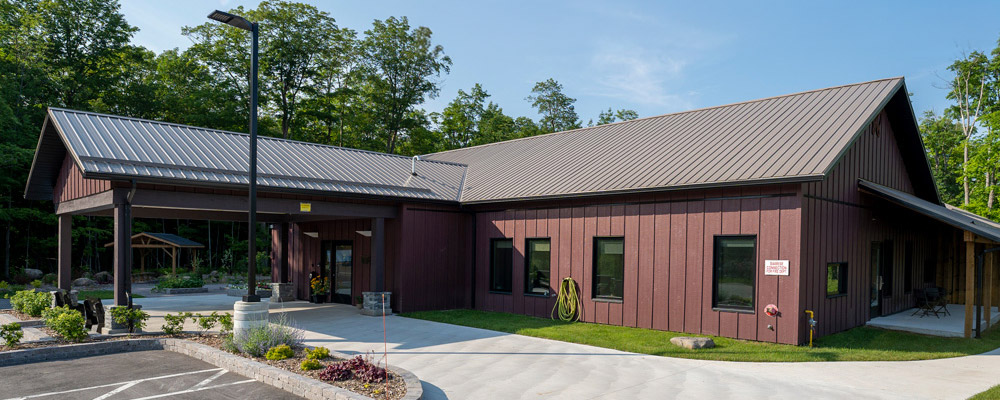
At Mount Dennis Early Learning and Child Care Centre, Coolearth worked in joint venture with CS&P Architects to deliver a Net Zero Energy childcare facility for the City of Toronto. The project includes a high-performance envelope, geothermal systems, photovoltaic/thermal systems, energy modeling, and Zero Carbon Building certification through the Canada Green Building Council.
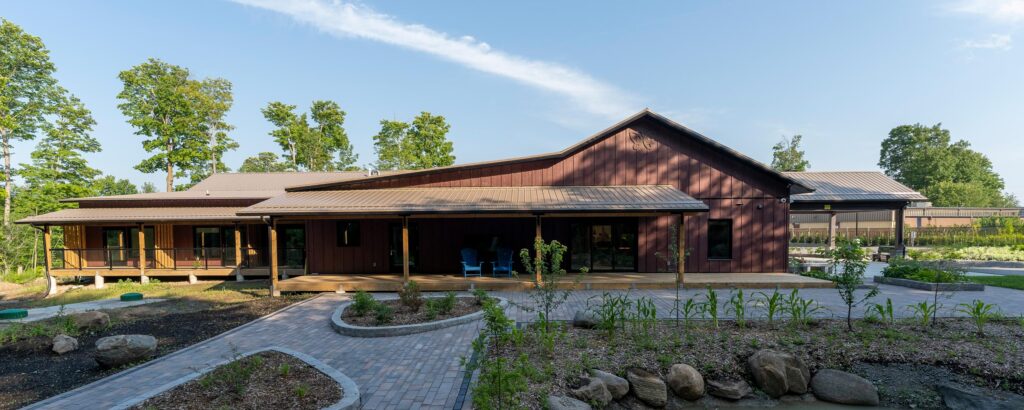
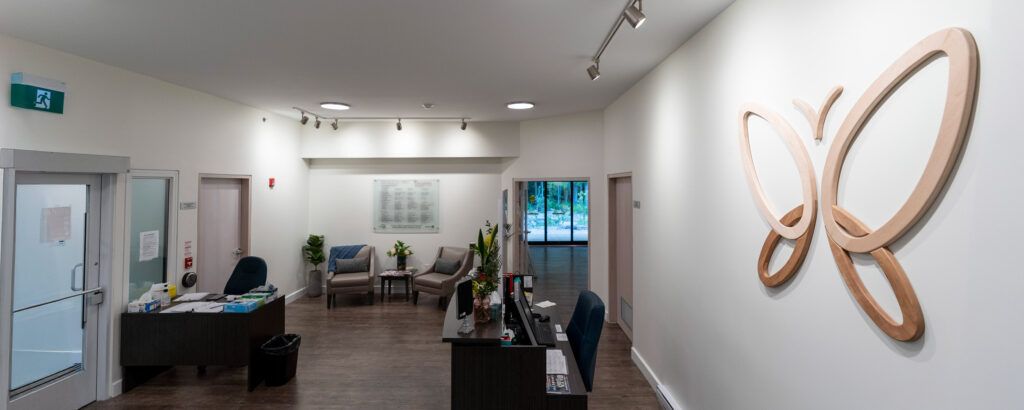
At Mariposa House Hospice in Orillia, the goal was to create a high-performance care environment that felt warm, familiar, and domestic rather than institutional. The building provides resident rooms with large scenic windows, private accessible decks, family gathering areas, and strong connections to the surrounding landscape. Coolearth also designed a permaculture landscape with accessible paths, rain gardens, food-producing plantings, and spaces for reflection and gathering.
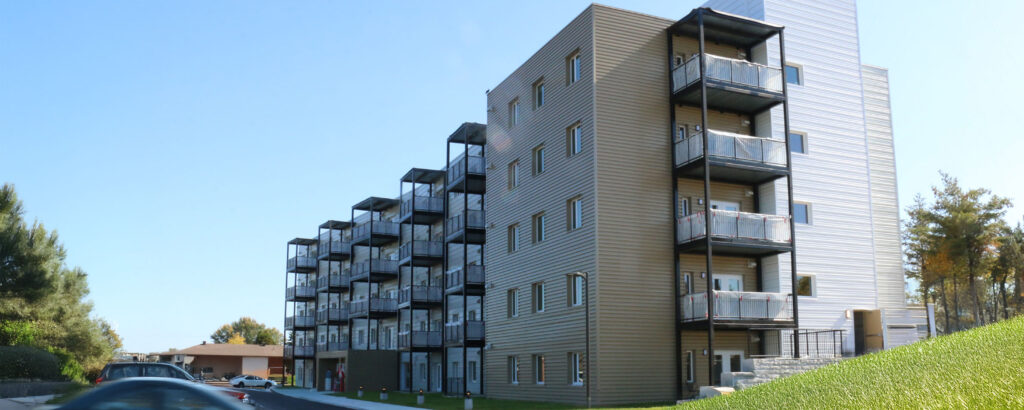
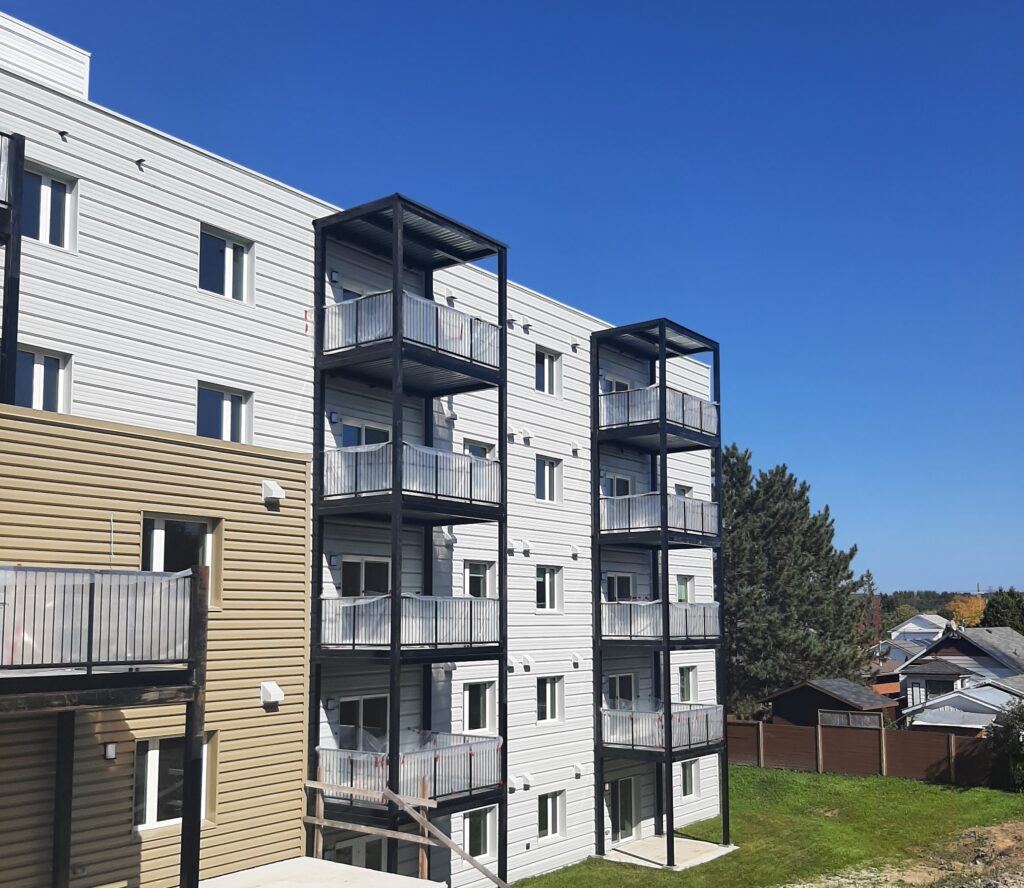
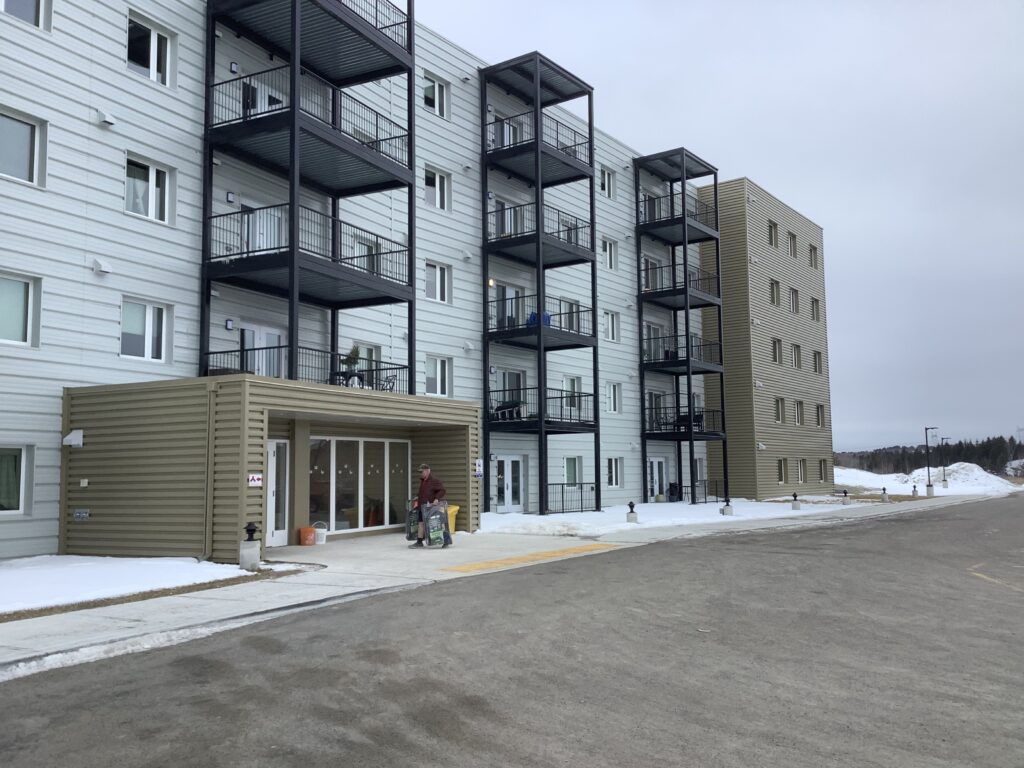
At Coniston Seniors Non-Profit Housing in Greater Sudbury, Coolearth was the architect and development consultant for the non-profit. We helped them realize a five-storey affordable seniors housing project designed for accessibility, aging-in-place, durability, energy performance, and reduced operating costs. The building includes triple-pane windows, continuous exterior insulation, airtight detailing, heat recovery, renewable energy systems, and careful attention to thermal comfort in a northern climate.
These projects show how high-performance design can serve real human needs: care, housing, learning, affordability, comfort, dignity, and community.

Building science, BIM, and energy modeling
Coolearth uses Building Information Modeling software on our projects, benefiting from its visualization, coordination, interference checking, and capacity to support design and energy analysis. BIM allows us to communicate design intent clearly with clients, consultants, contractors, and authorities, while also maintaining compatibility with AutoCAD workflows when required.
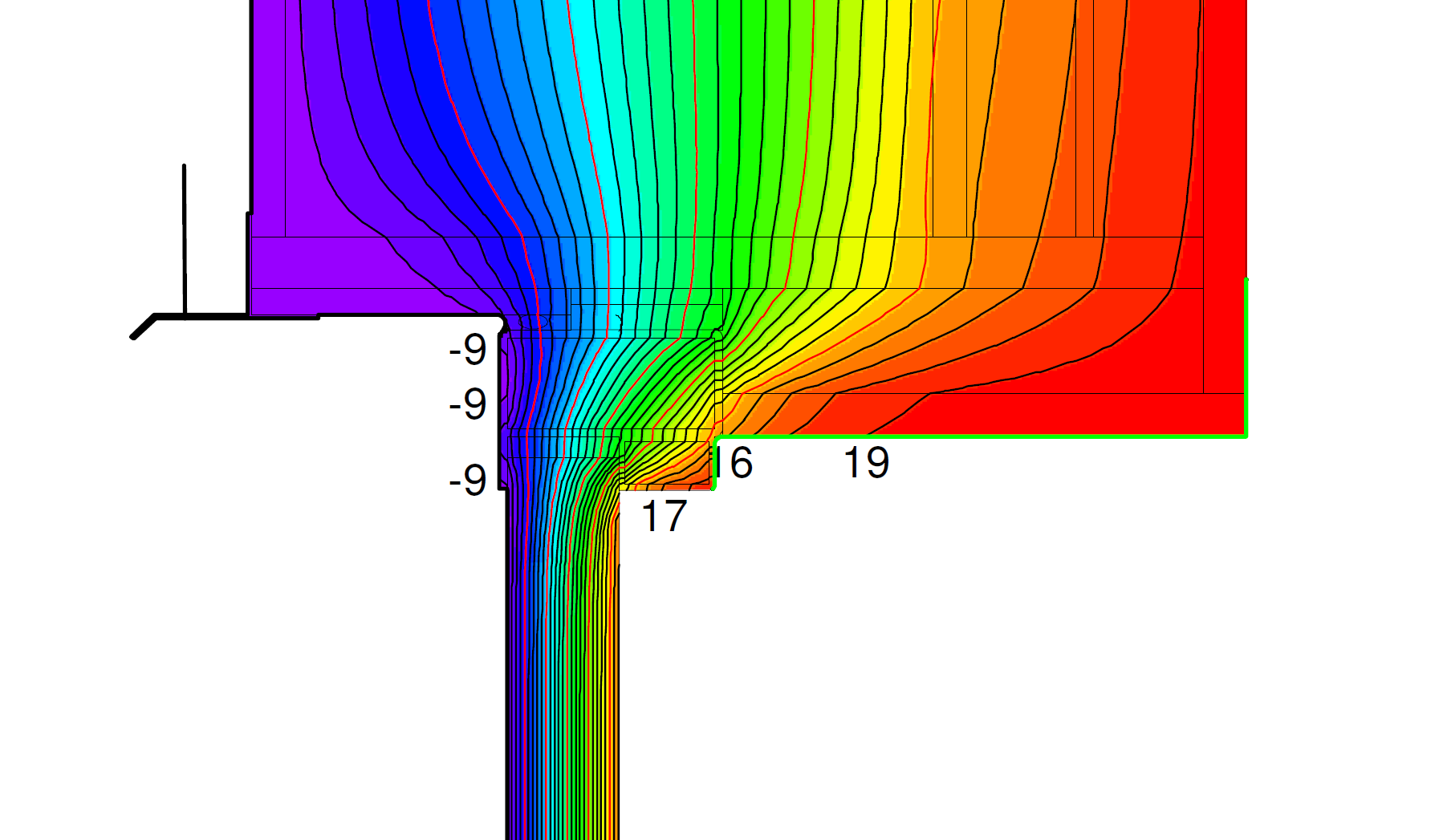
We also provide custom energy modeling, building envelope analysis, thermal bridge review, and performance visualization to help ensure buildings perform as expected. This evidence-based approach allows clients to compare options, understand trade-offs, and make better decisions about cost, comfort, durability, and energy use.
Our work includes Passive House, EnerPHit, LEED, Toronto Green Standard, Canada Green Building Council Zero Carbon Building, Net Zero Energy, NECB, and low-carbon design strategies. The point is not to chase certification for its own sake. The point is to use the best available tools to design buildings that are efficient, comfortable, resilient, and responsible.
Housing, community, and public benefit
We believe architecture can help address several urgent challenges at once: housing affordability, climate change, aging, community health, energy resilience, and long-term stewardship of land and resources.
Coolearth has a strong commitment to public-sector, non-profit, and community-based work. We have worked with municipalities, housing providers, social service organizations, First Nations communities, childcare providers, churches, and community groups.
Our experience includes the Toronto Region Conservation Authority, Parry Sound District Social Services Administration Board, the City of Toronto, Mariposa House Hospice, Coniston Non-Profit Seniors Housing Corporation, Kawartha Commons Co-housing, and other mission-driven clients.
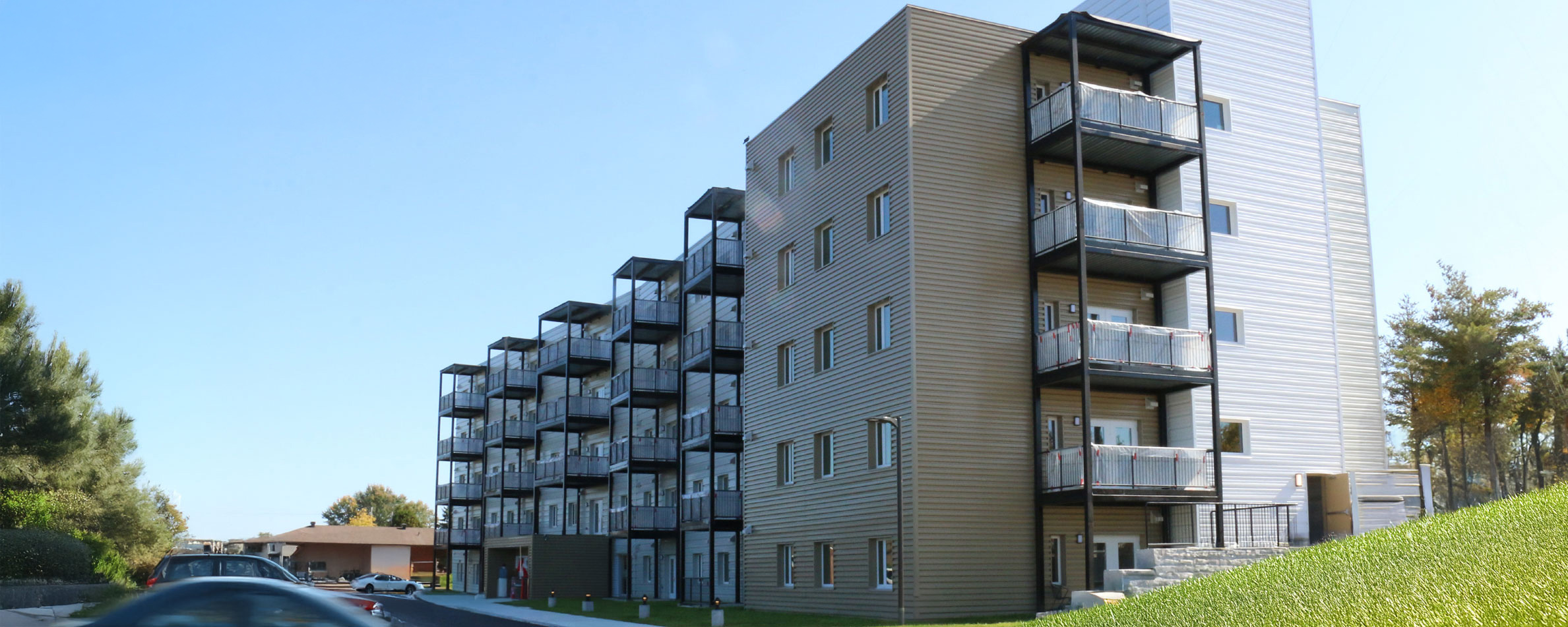
Much of our recent work is focused on affordable and community housing. The Sudbury Non-Profit Housing Cluster builds on our completed Coniston Seniors Housing project and proposes a coordinated portfolio of seven mid-rise residential buildings totaling 495 units across Capreol, Coniston, Walden, and Sudbury. The cluster is intended to deliver seniors and mixed-income housing using a standardized, high-performance, replicable design approach.
Leadership in sustainable design
Our Principal, Sheena Sharp, has been a leader in sustainable architecture and professional governance in Ontario. She has taught courses and delivered presentations on the 2030 Challenge, Net Zero design, low-carbon architecture, and the transition to a low-carbon economy. Sheena has served extensively with the Ontario Association of Architects, including as President, Chair of the OAA Building Committee, and member of sustainability-related committees. She has also been involved with the Toronto 2030 District and climate action initiatives related to the built environment. This leadership reflects Coolearth’s broader commitment to advancing sustainable architecture beyond individual projects.
Community engagement and ongoing learning
Coolearth is rooted in our community and in the wider community of sustainable design practice. We have participated in public education, professional events, Passive House training, Net Zero seminars, natural building conferences, design festivals, and community outreach.
We are members of and contributors to organizations and initiatives related to Passive House, green building, low-carbon design, and the 2030 Challenge. We also support ongoing education for our staff, including Passive House training, building science education, energy modeling, and sustainable design research.
We are always learning. Sustainable design is not static. Building codes change, materials evolve, climate risks increase, and new construction methods become possible. Our practice is built on curiosity, evidence, collaboration, and a willingness to keep improving.
How we work
All of our projects are built on a foundation of collaboration and strong interpersonal relationships. We listen carefully, define the project clearly, communicate openly, and work with clients to make decisions at the right time.
Our role is to help clients move from idea to built reality. That means balancing ambition with budget, performance with constructability, beauty with durability, and long-term goals with immediate project constraints.
We are small enough to be personal and deeply engaged, but experienced enough to manage complex projects with multiple consultants, authorities, funders, and stakeholders.
Whether we are designing a Net Zero childcare centre, a hospice, a Passive House retrofit, an affordable seniors housing project, or a custom low-carbon home, our goal is the same: to create buildings that support human prosperity within a flourishing planet.
Contact us
If you are planning a sustainable building, Passive House project, Net Zero or low-carbon building, affordable housing project, community facility, custom home, retrofit, or institutional project, we would be happy to speak with you — good design begins with conversation!