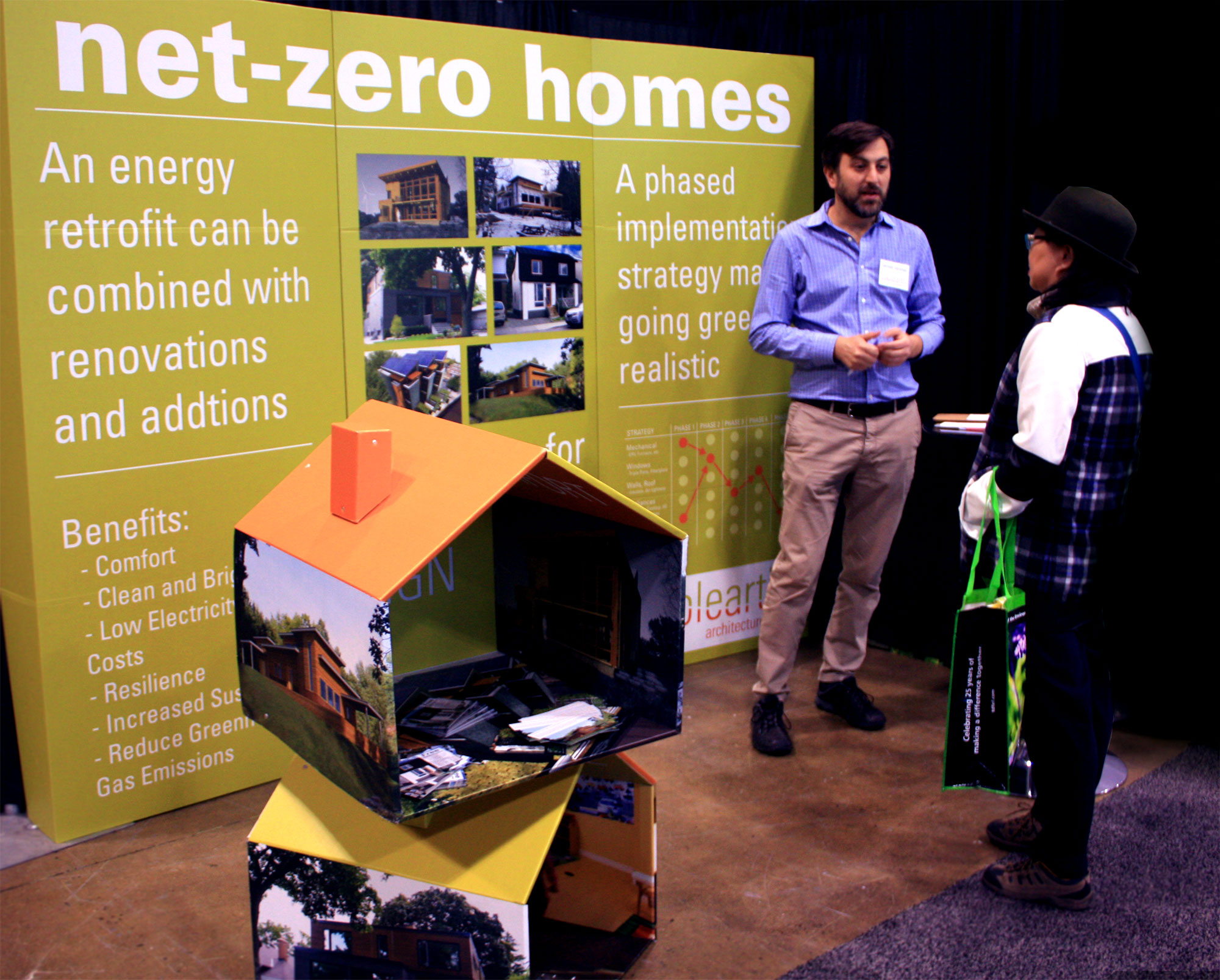
Opening Reception for “Night Vision” – Contact Photography Festival

Thank you to everyone who joined us for the Opening Reception of the show “Night Vision”, an exhibit by Richard Kuzniak as part of the Contact Photography Festival.

The show will be up until May 31st — if you weren’t able to make it or would like to stop by and see it!

High Park Reno: Underpinning Completed

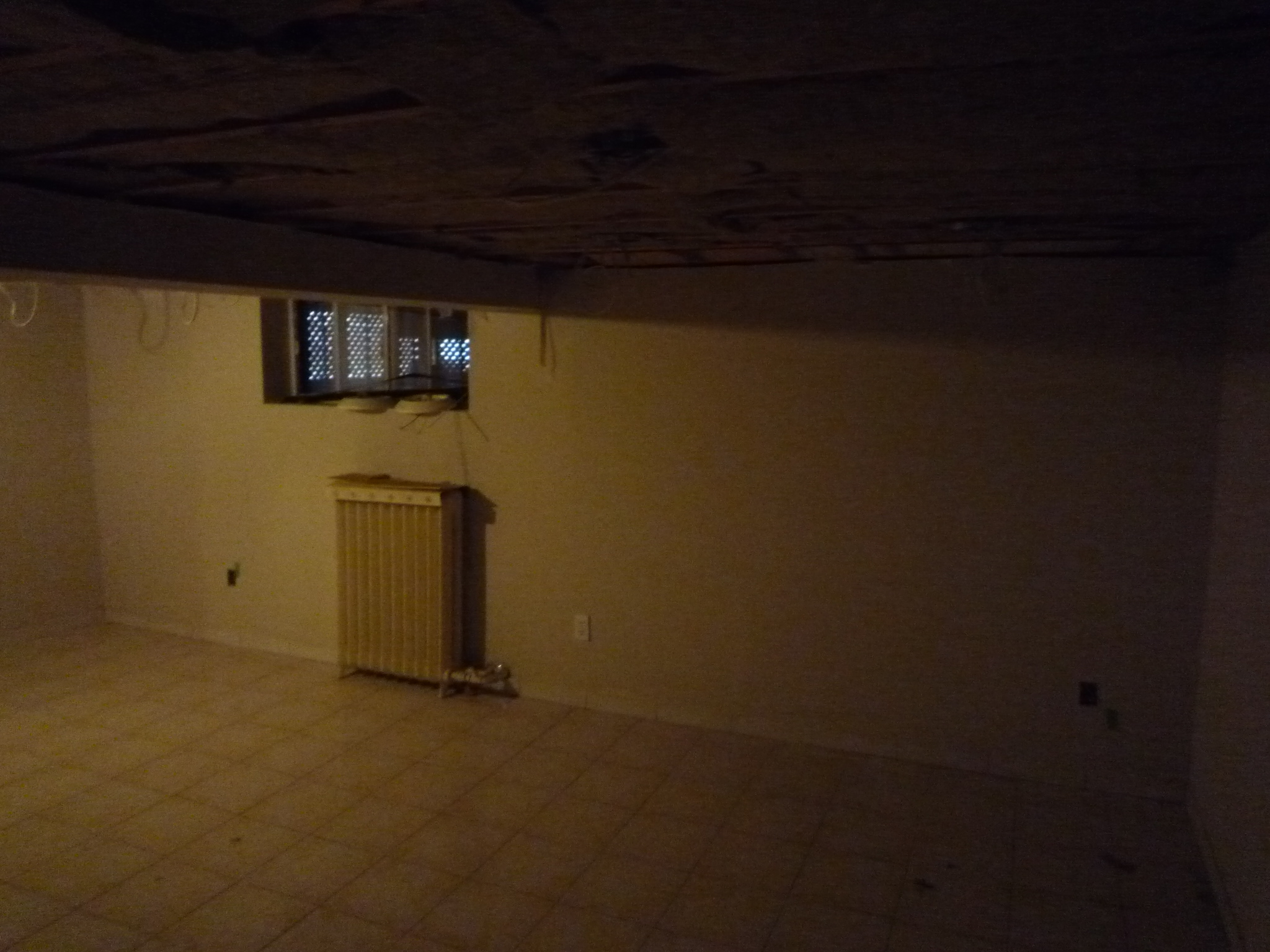
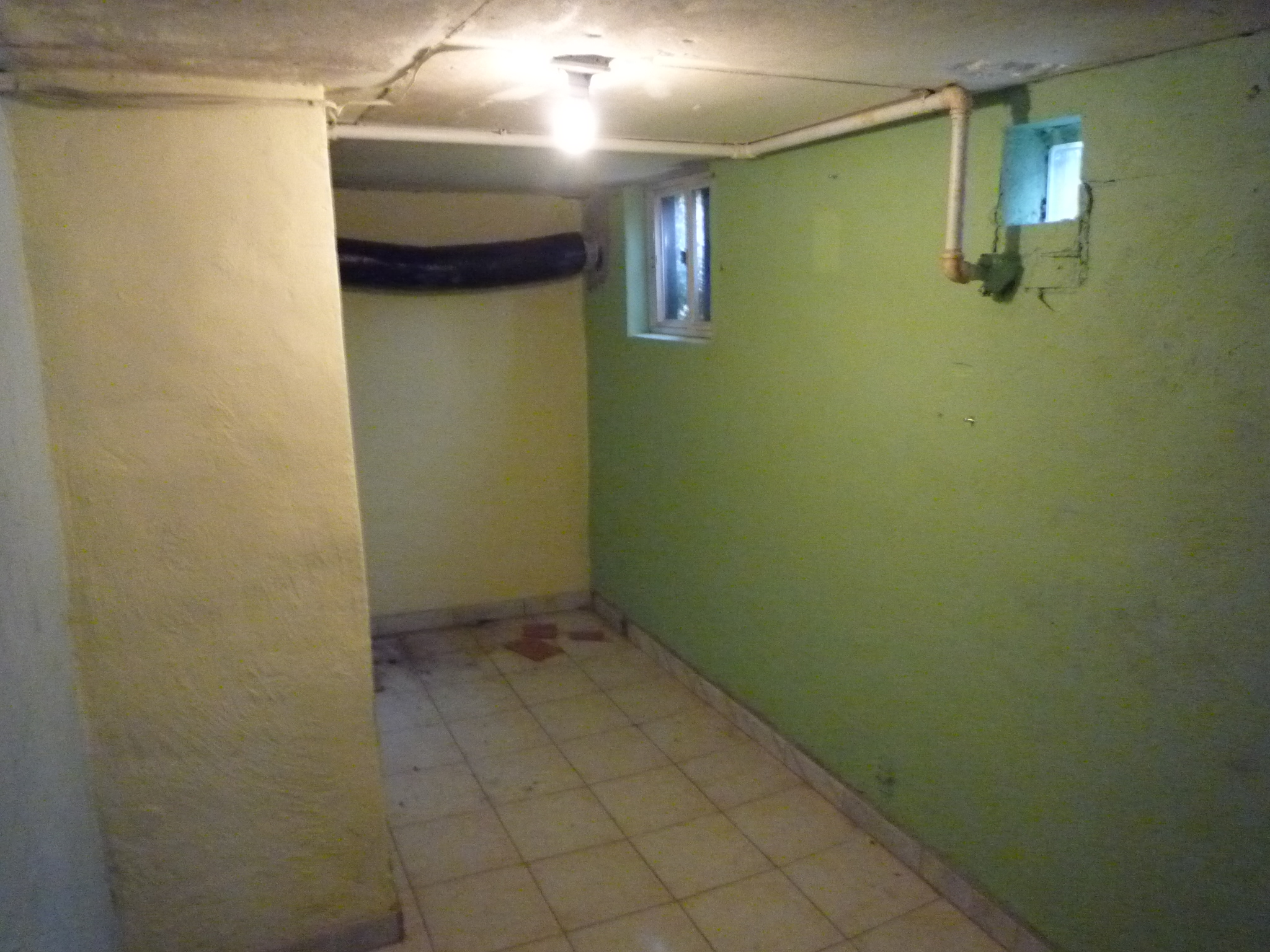
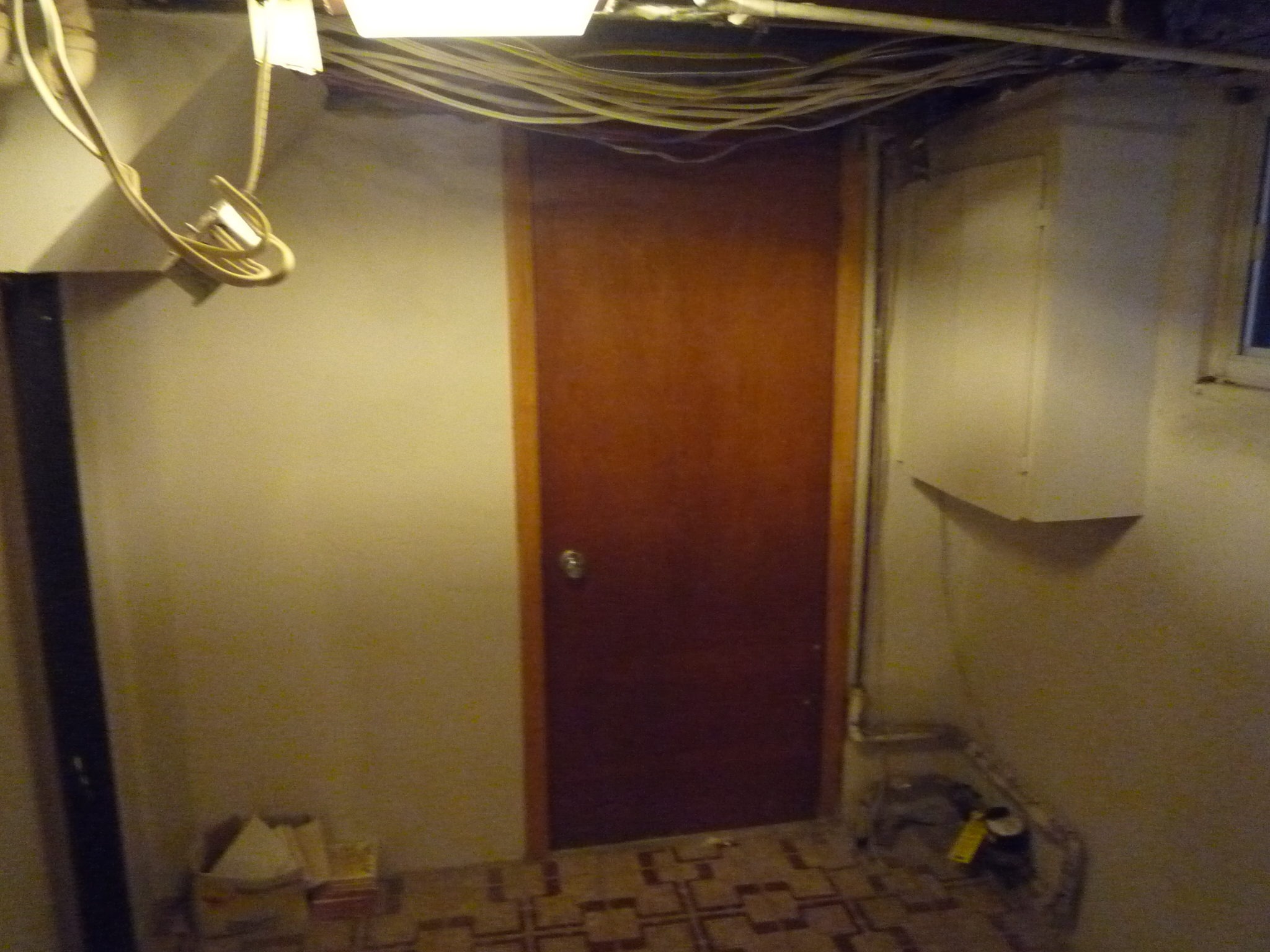
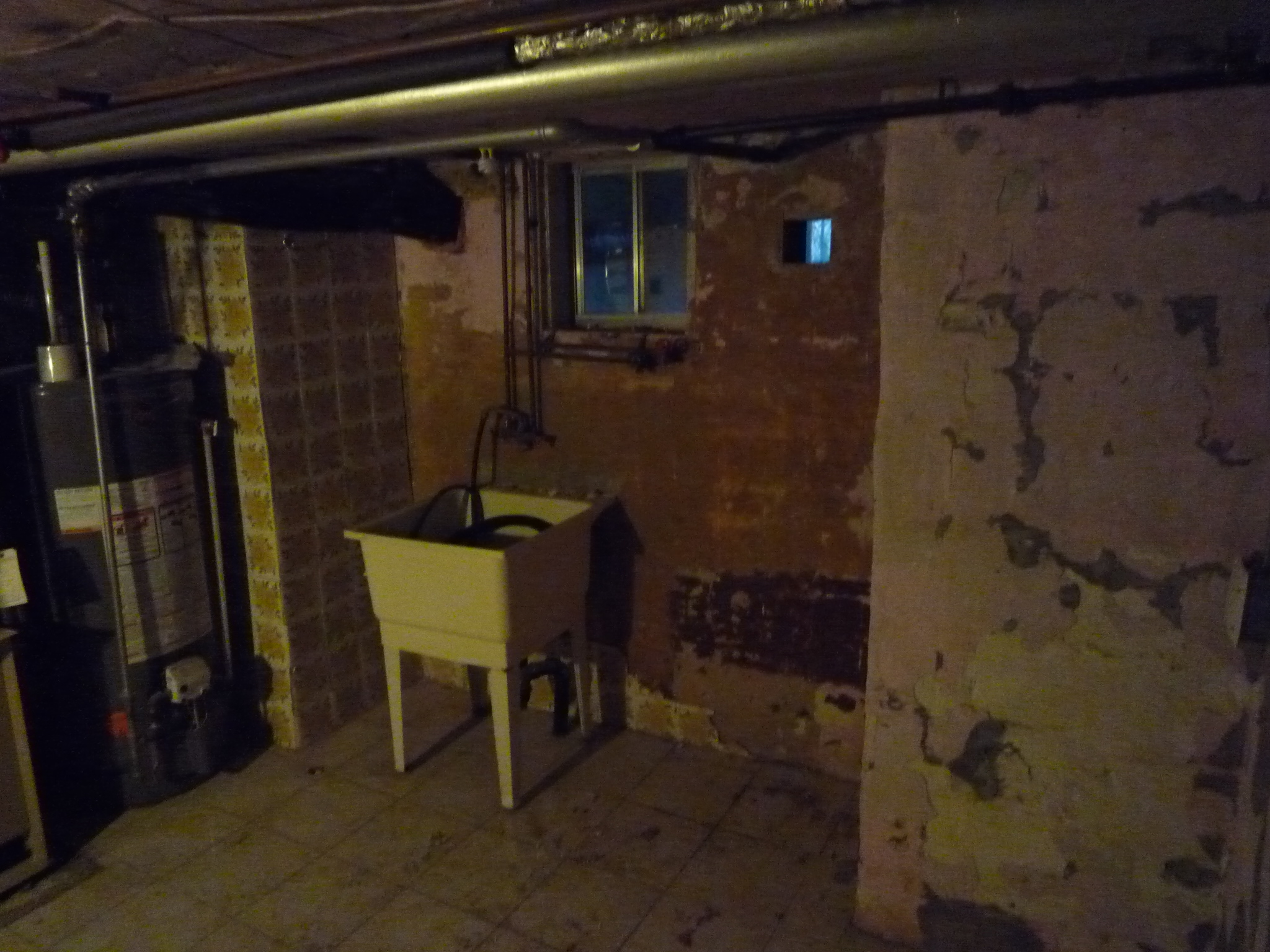
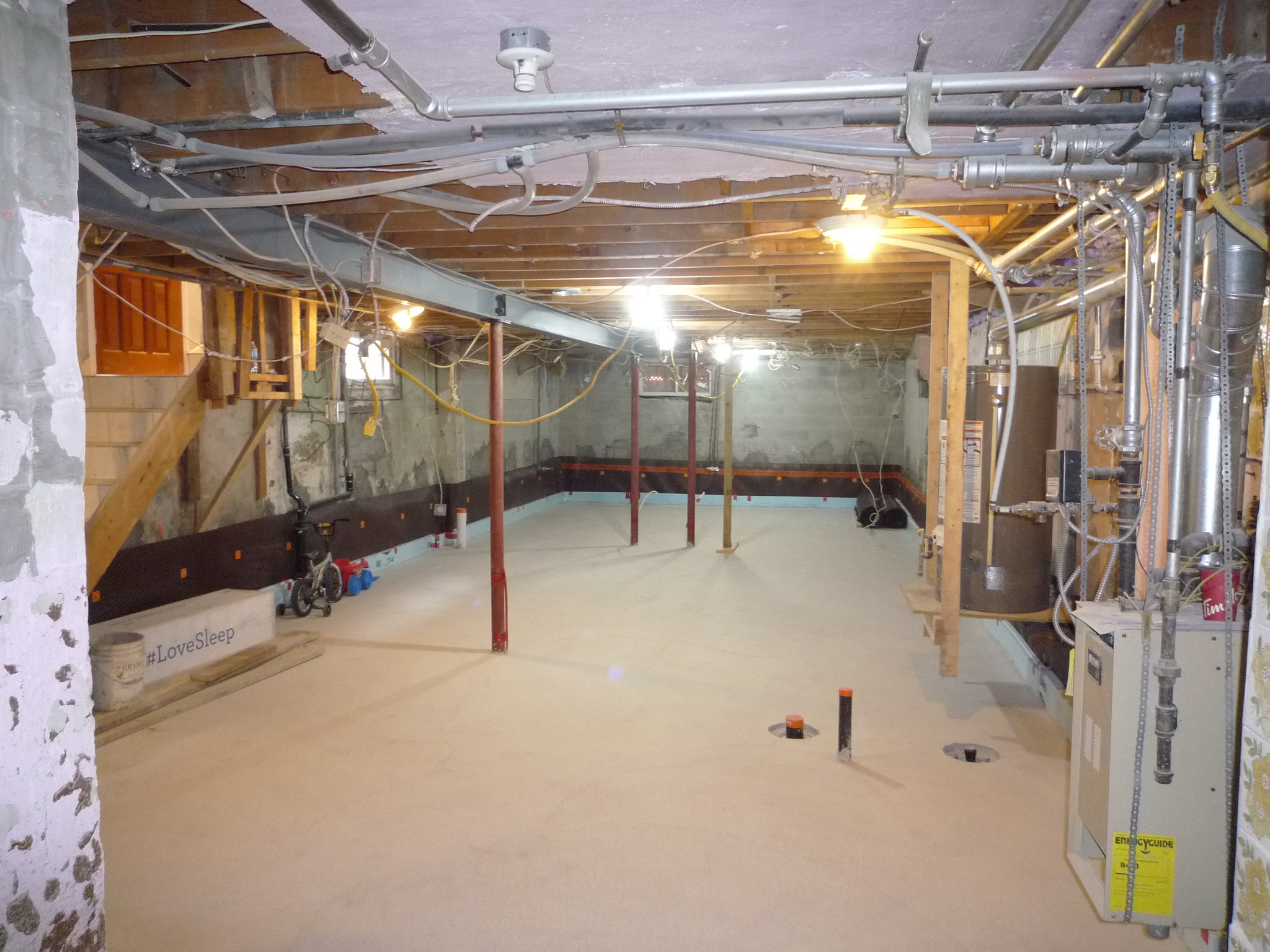
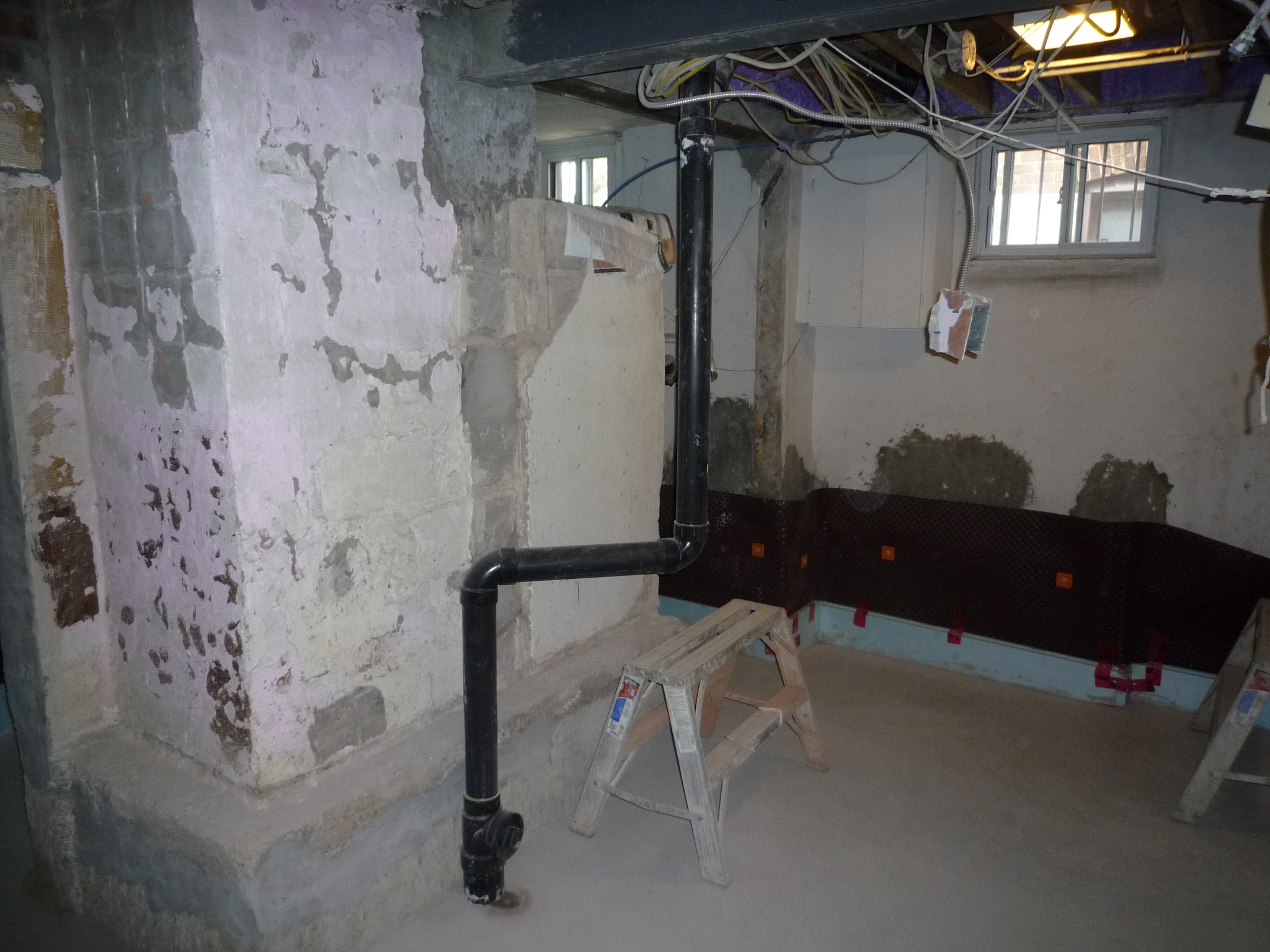
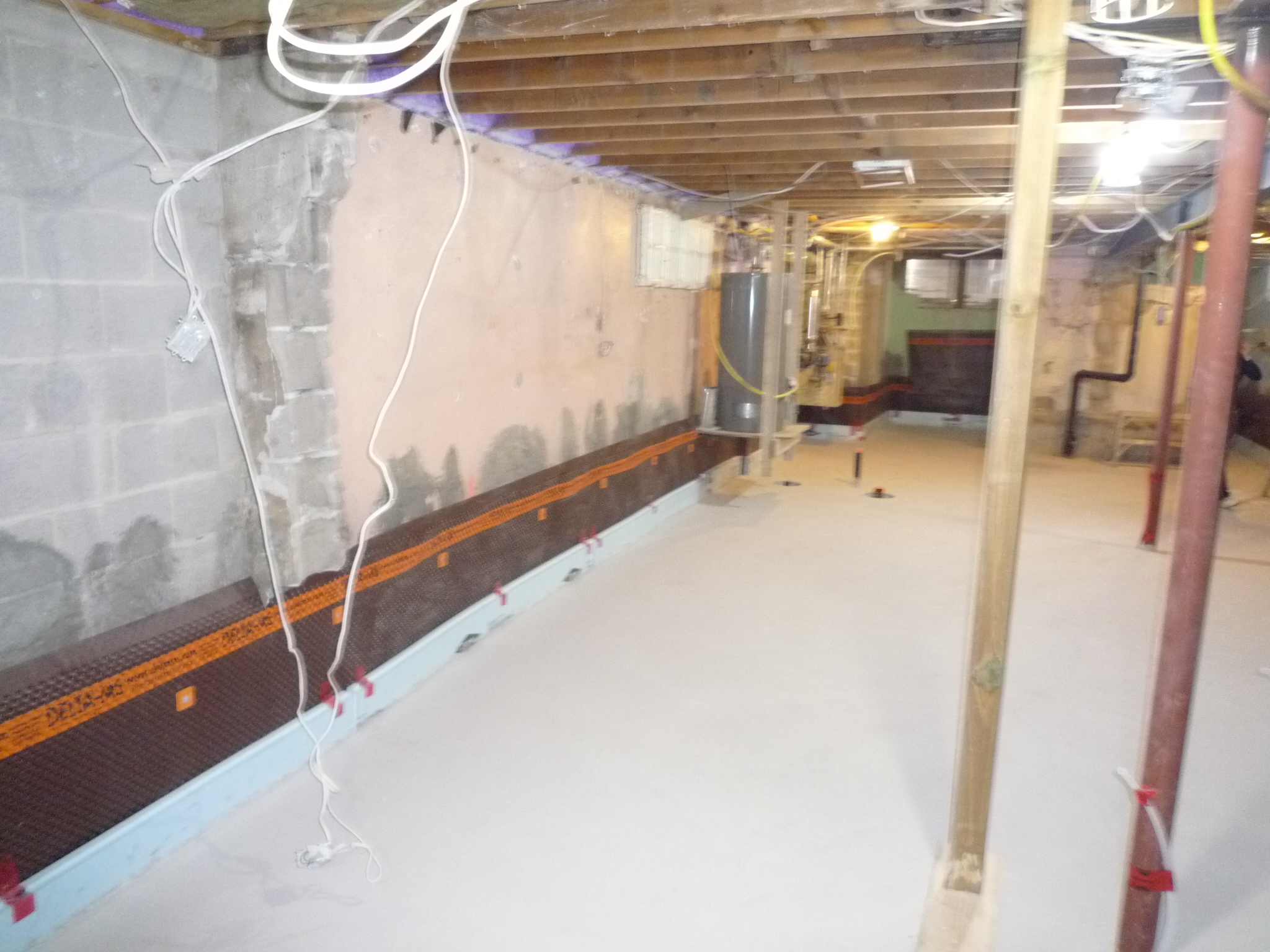
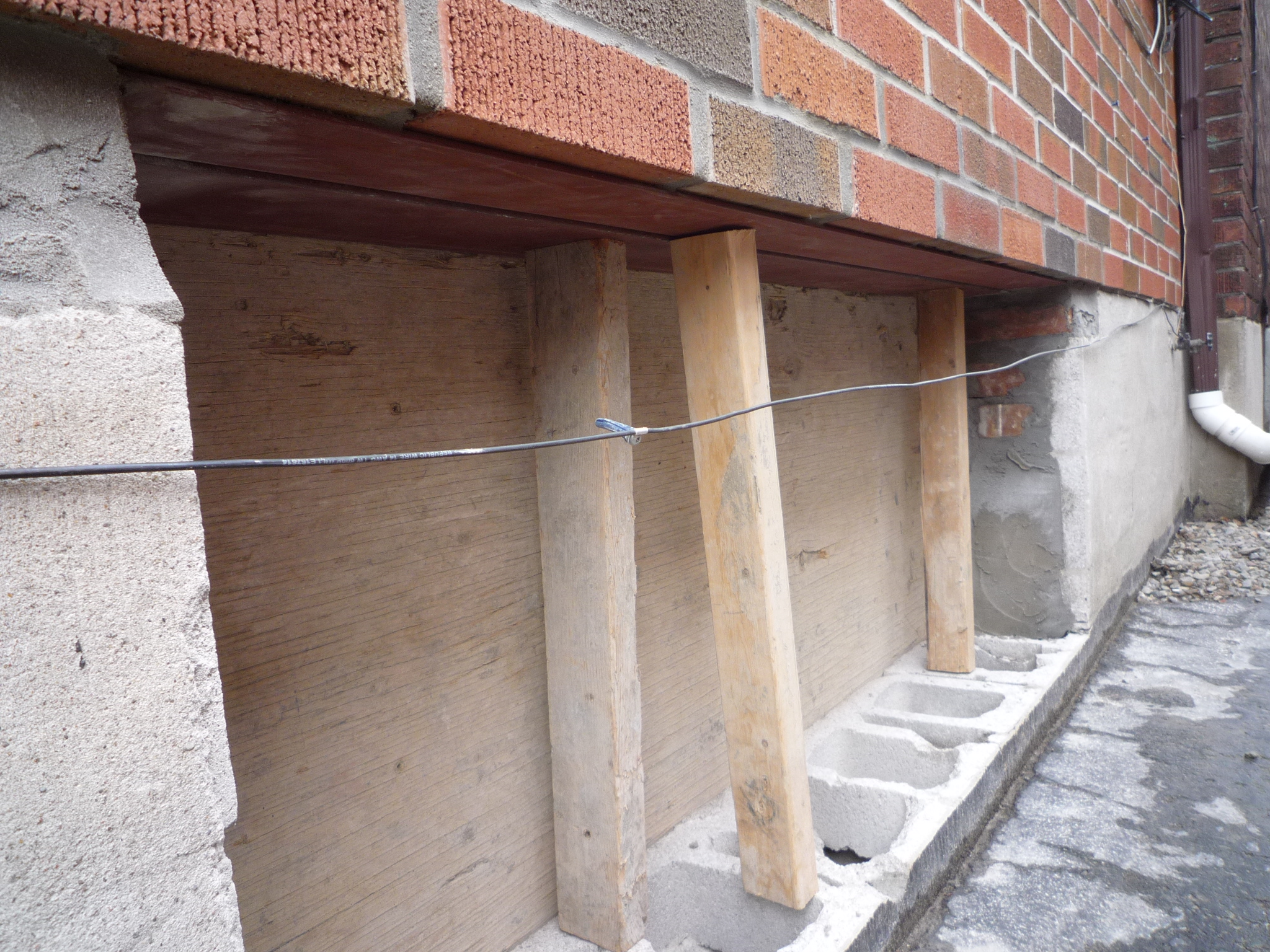
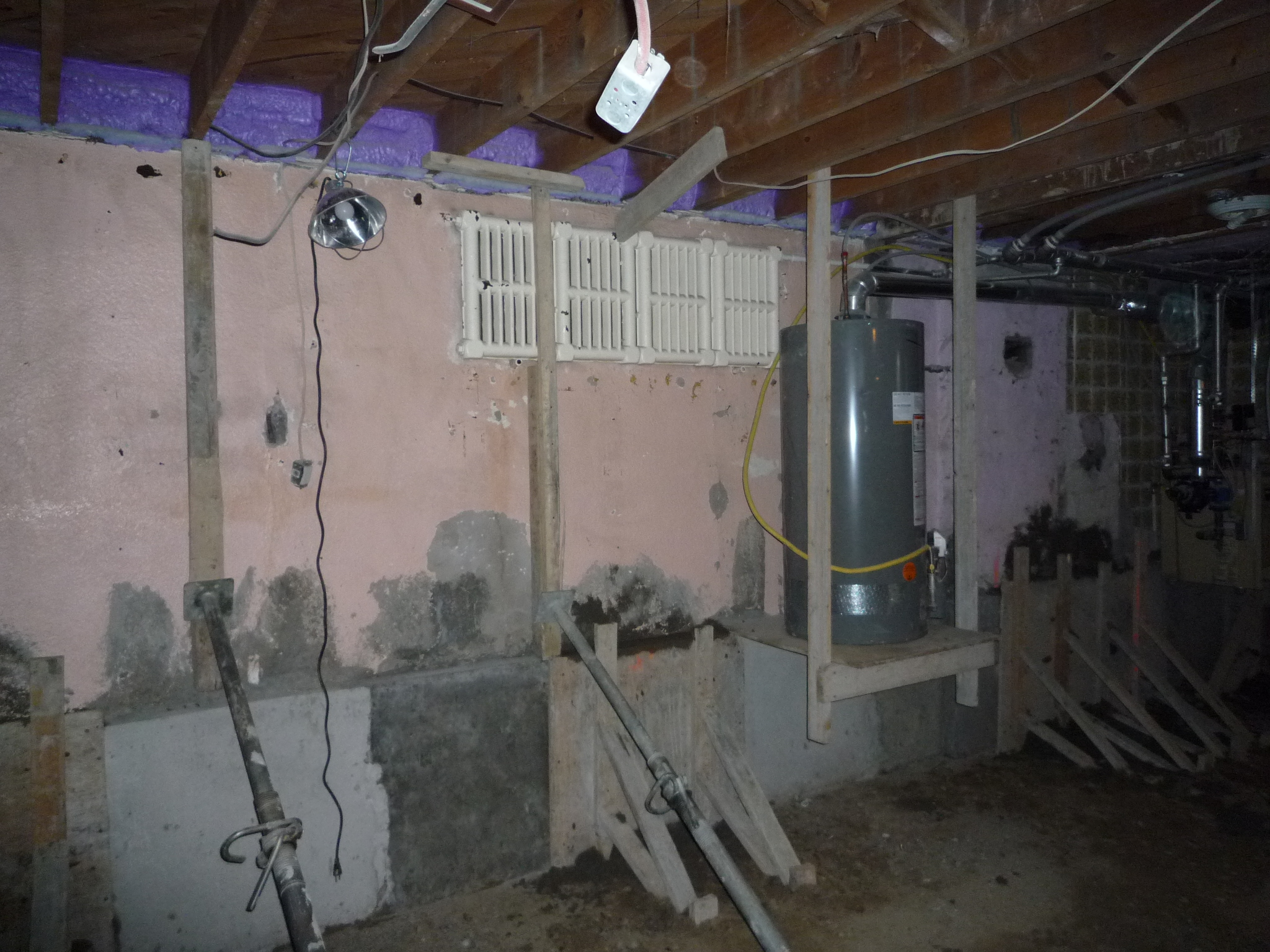
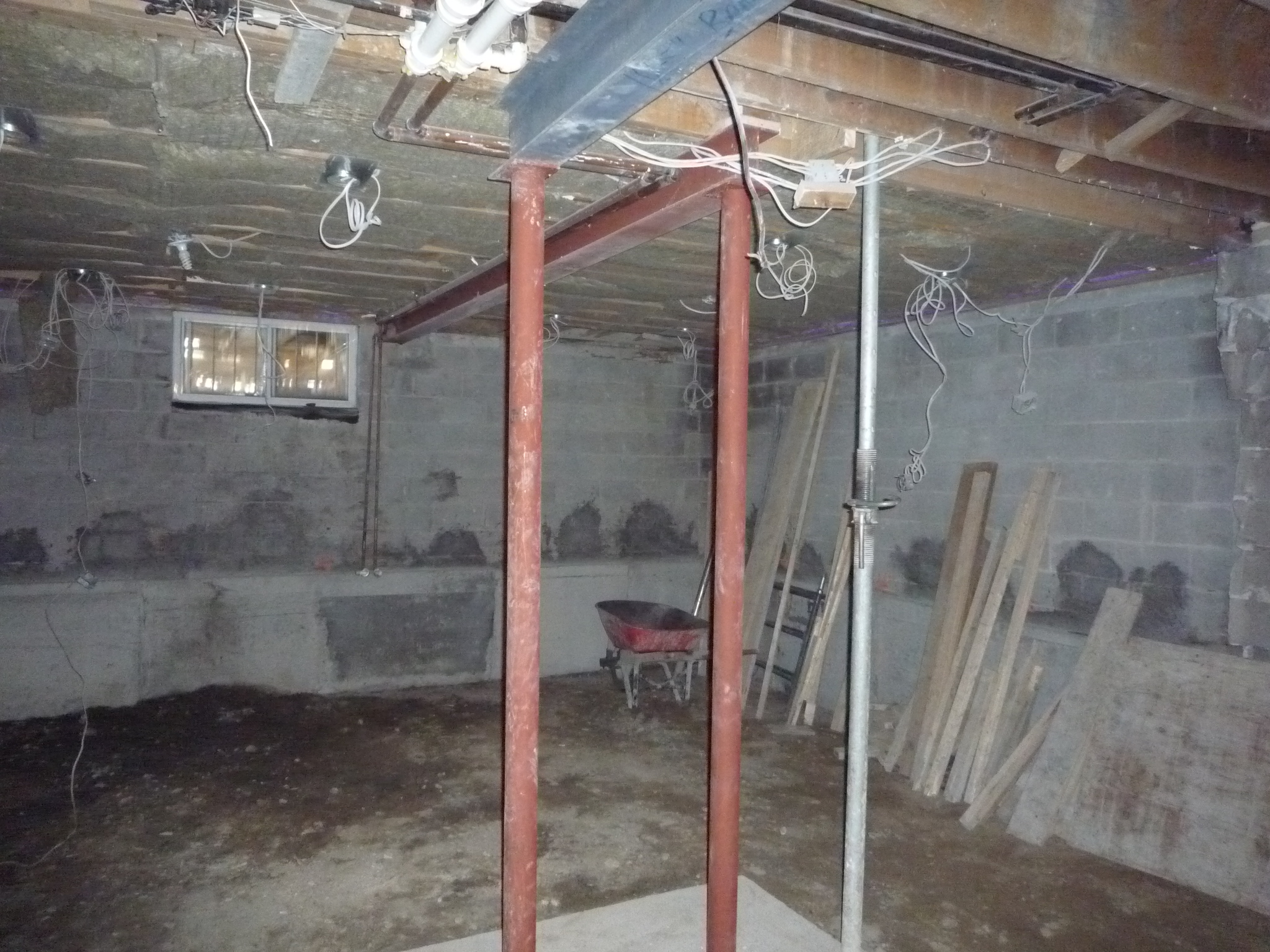
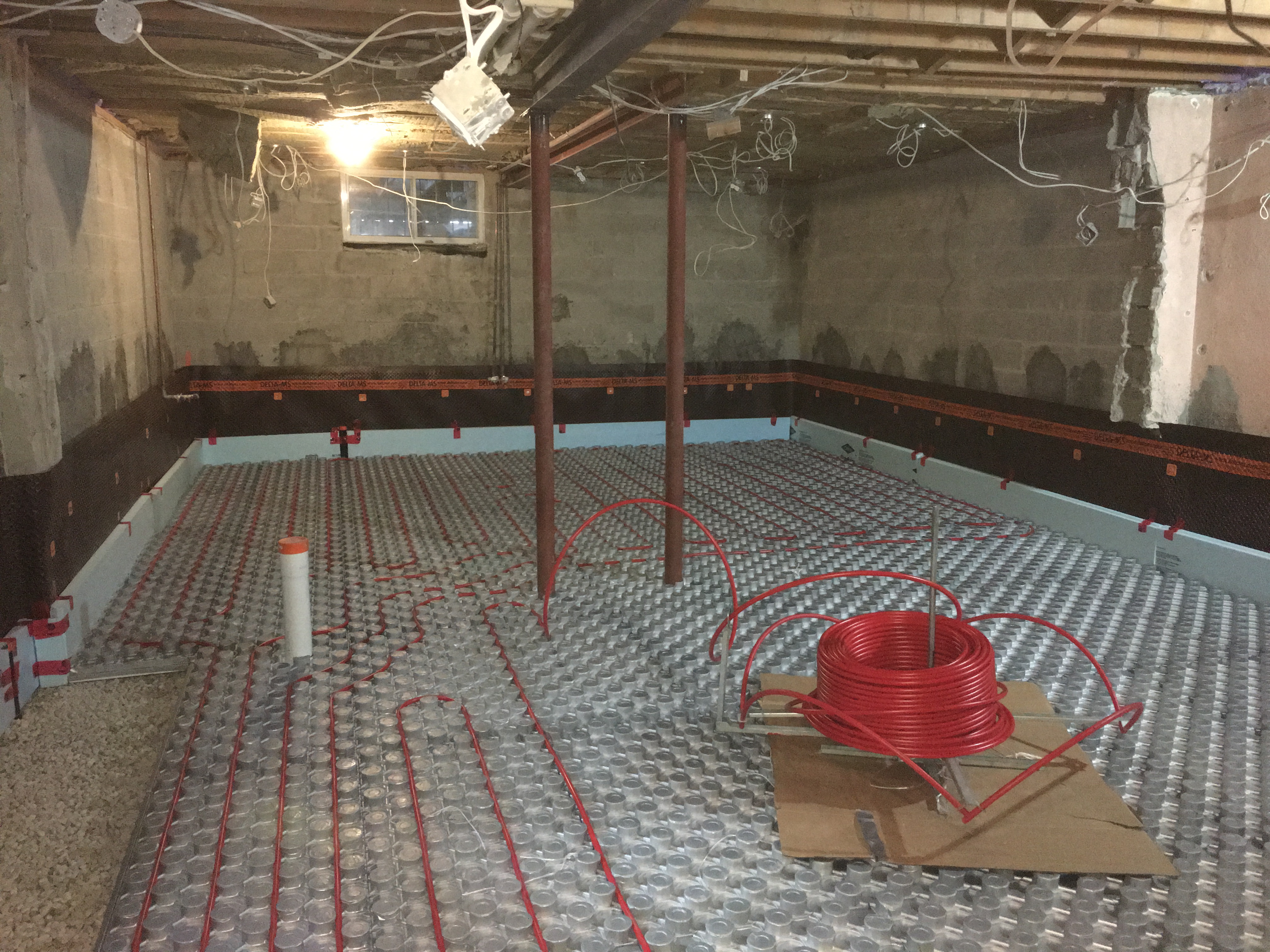
This project is around the corner from our Junction office. The design has been completed a couple fo months ago and construction commenced right away. We visited the site and took some pictures of the completed underpinning. The crew made such a good work that the concrete floor will not be covered but polished and sealed it.
Existing Basement

After Underpinning

New window opening! More light into the basement!

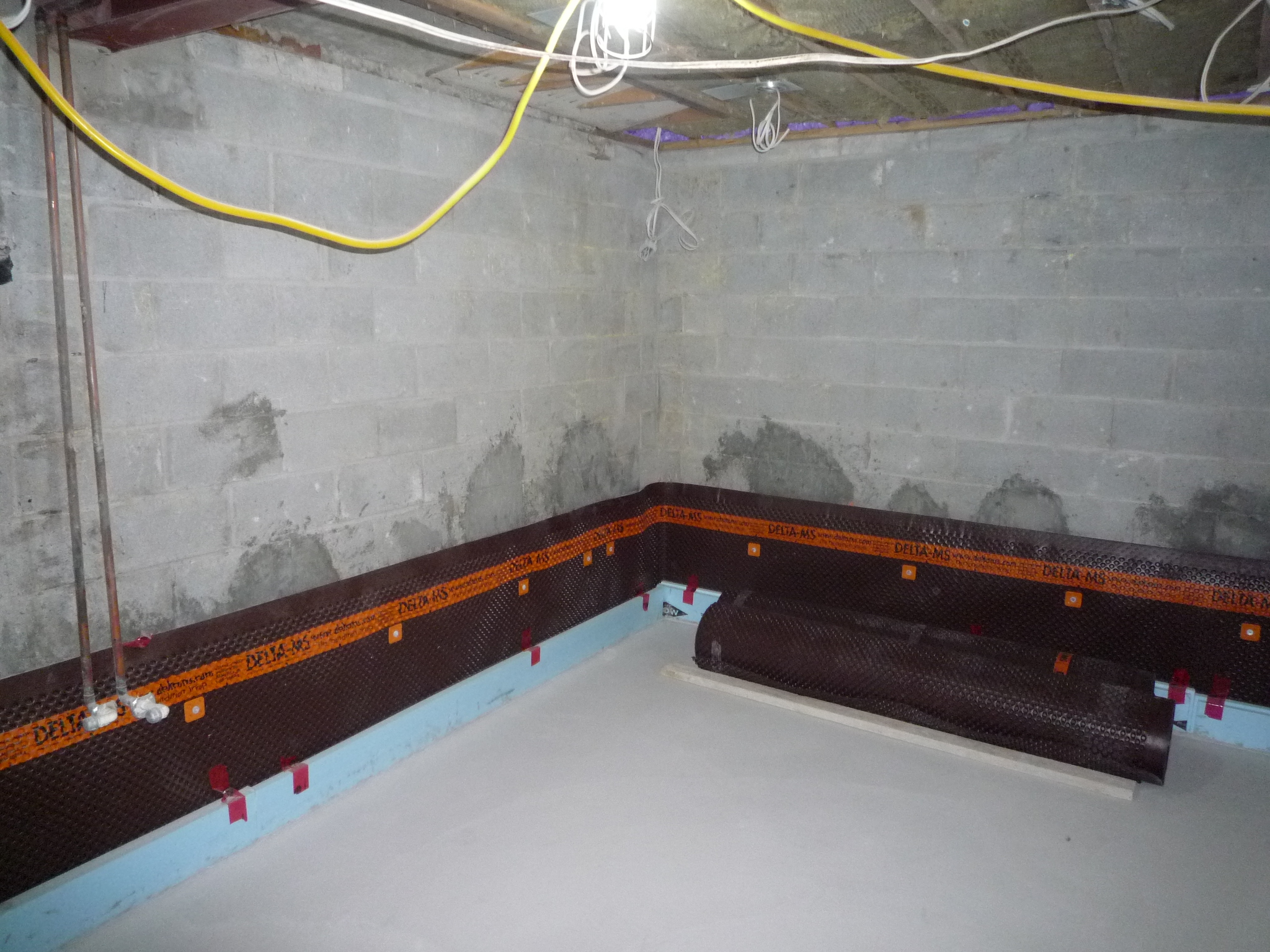
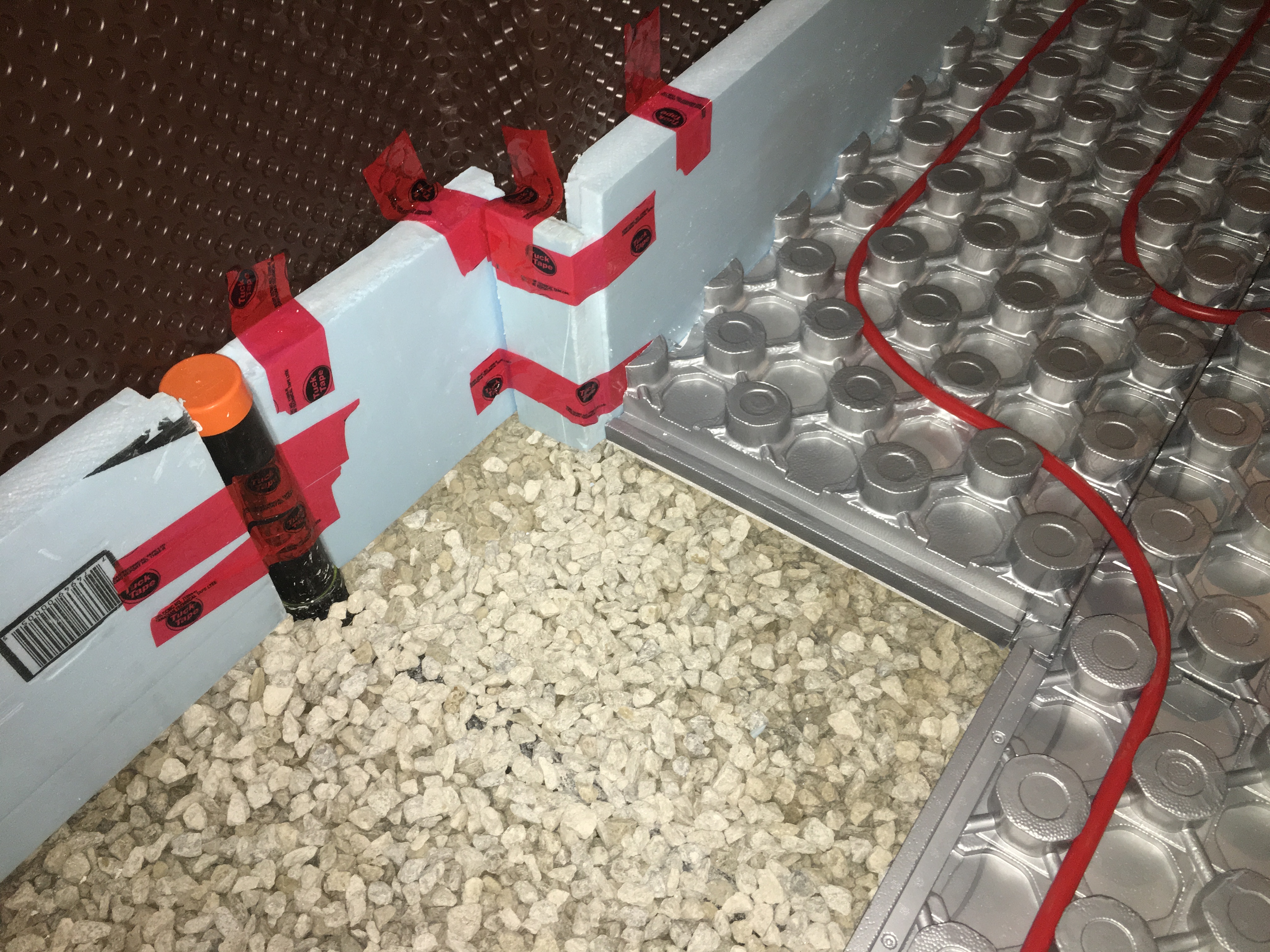
The infloor radiant system is embedded and insulated from the ground and you can see the insulation sticking out from on the sides. To minimize the thermal bridging, the insulation under the concrete slab wraps around it when hitting the side wall.

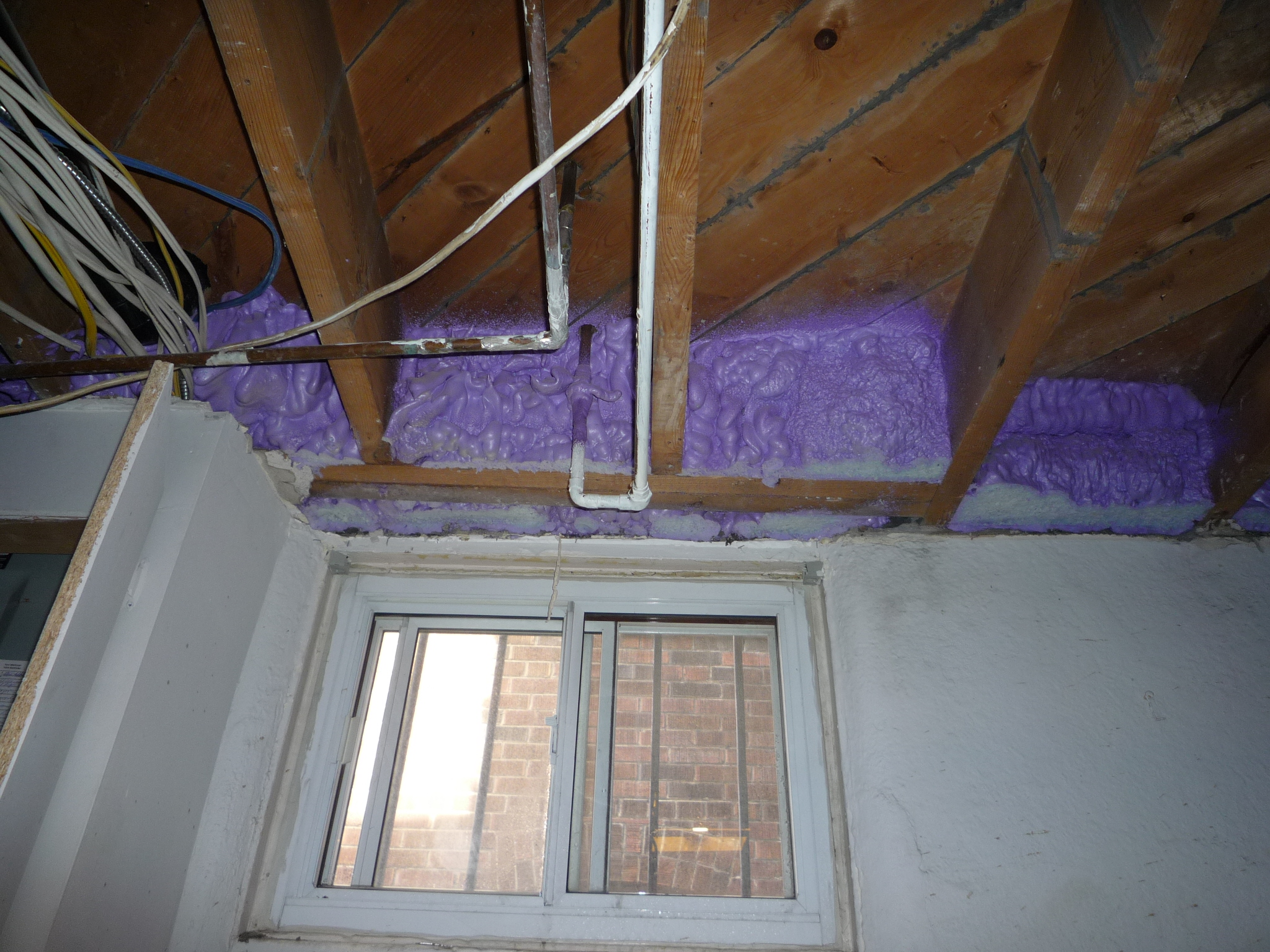
Our client had already added spray foam insulation between the joist when he moved into the house a year ago. That intervention reduced the air changes per hour by half… less air leakage means less energy used and more comfort. This project is focused on the interior design but they will add a 2″ of continuous insulation between existing and the new walls.


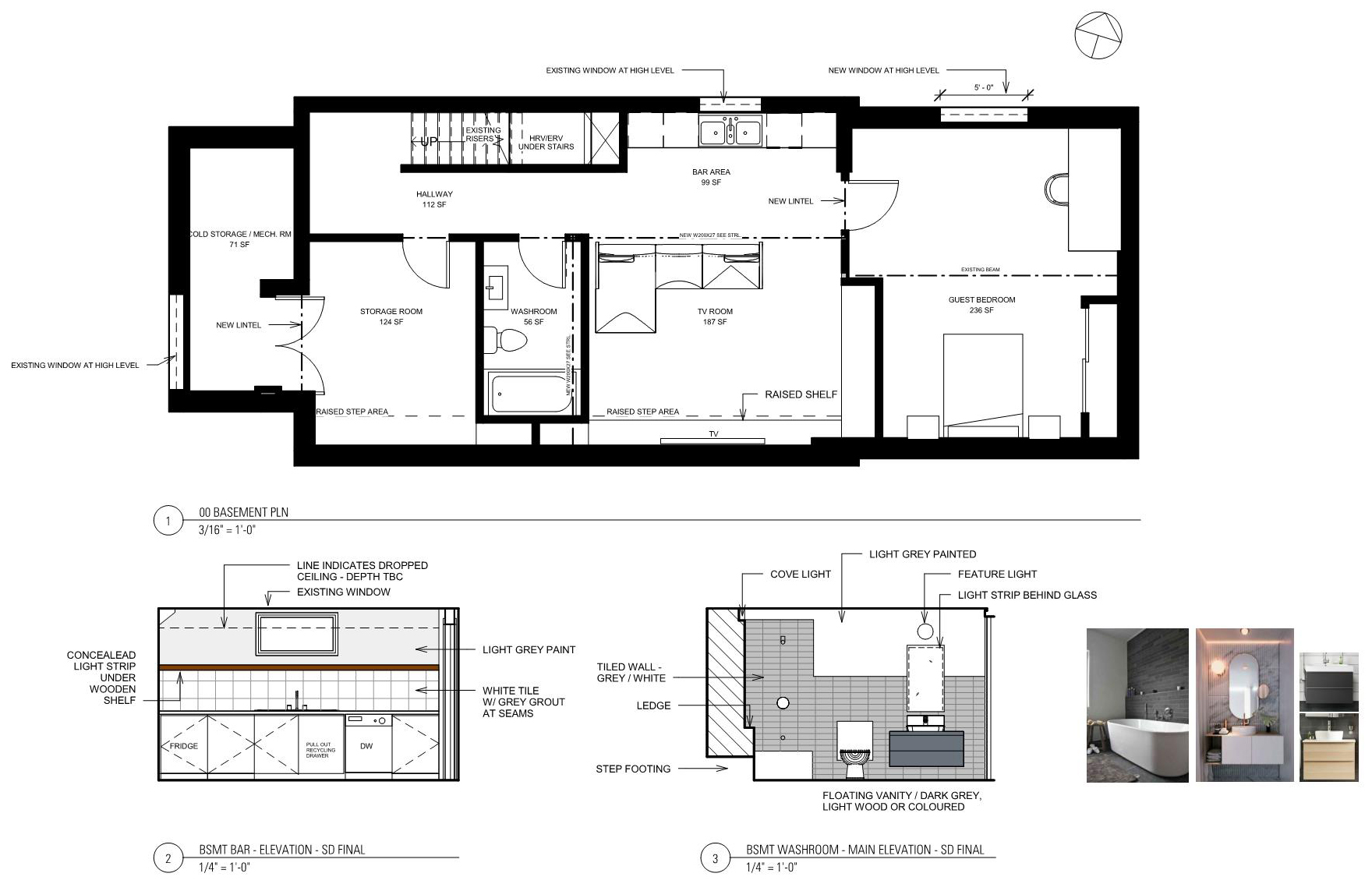
Here is the new basement plan. We have the bones ready! 


Planning to do a reno? Call us at 416-868-9224 or send us an email to info@coolearth.ca … first consultation meeting is free.

High Performance House near Parry Sound close to completion

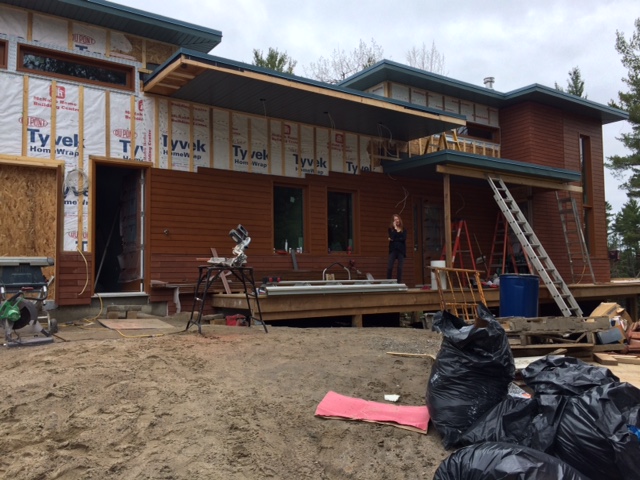
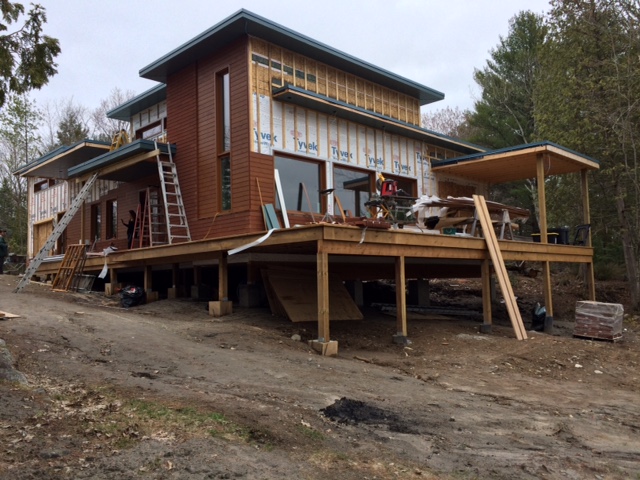
The High-Performance house near Parry Sound is in its final stages. The snow has melted, the lake has no ice, and the crew is working hard to hand over the house to the homeowners by the end of May.


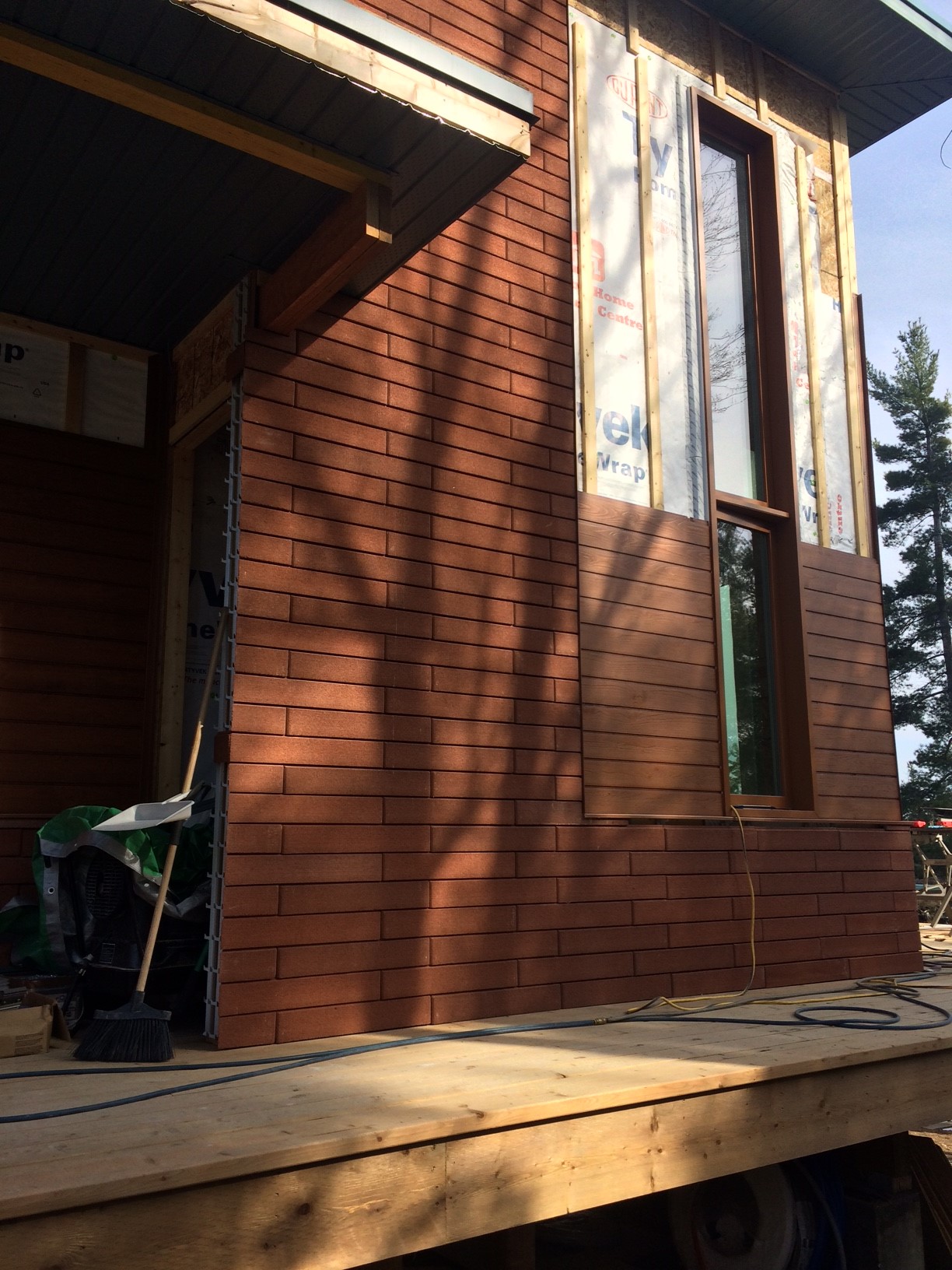
The cladding is 75% up and the house is starting to look like what we envisioned. The 84% efficiency Energy Recovery Ventilator is on site and ready to be installed.

This is an exciting time for the project, the interior has been painted and it is ready for the tiles and wood floors and every week we are starting to see major changes…. and our clients can’t wait to move in. This summer is going to be a lot of fun!

Passive Survivability – Building Design for Resilience and Safety

Passive Survivability is a term coined by Building Science expert Alex Wilson, which he defines as “maintaining livable conditions in the event of extended loss of power or interruptions in heating fuel.” Alex, came up with the idea after Hurricane Katrina in New Orleans, observing how modern un-powered, un-serviced buildings overheated while traditional architecture remained comfortable without power. The idea of Passive Survivability applies to any natural “disaster” or event which knocks out the power, water, or natural gas for long periods.
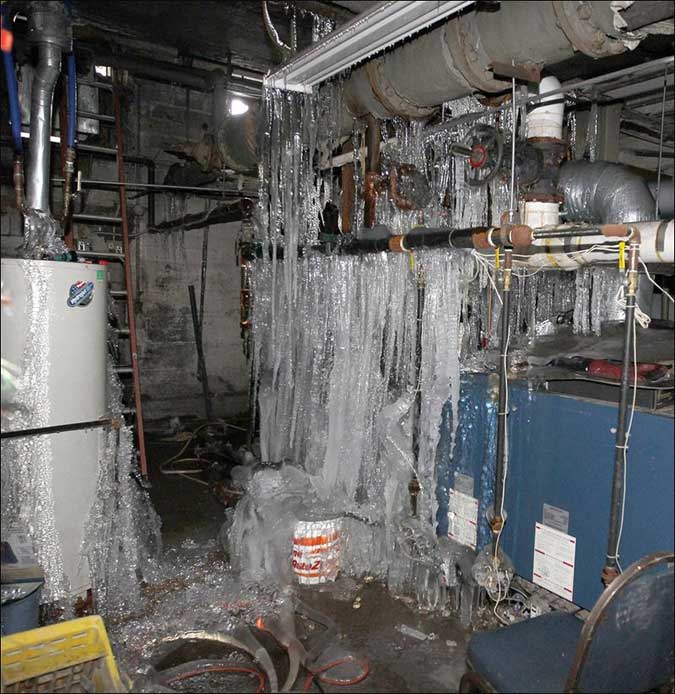


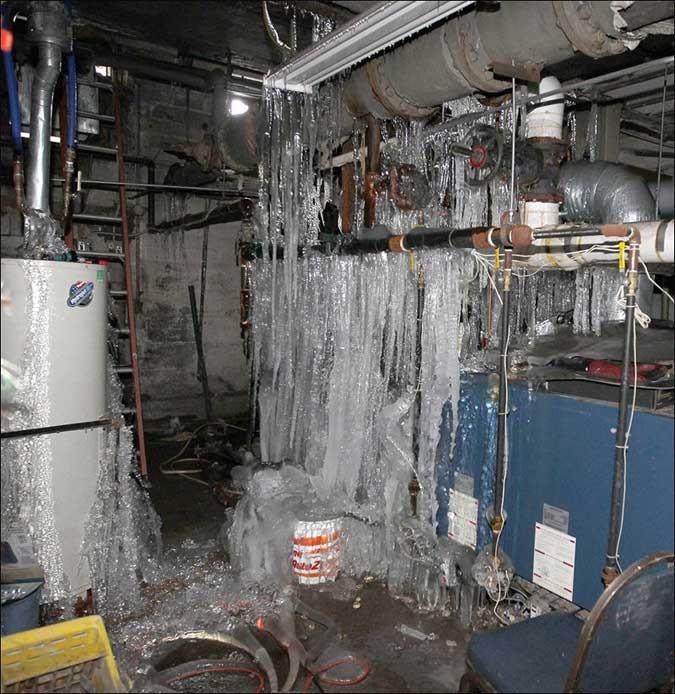
At Coolearth we began to discuss the idea of Passive Survivability in light of the 2013  ice Storm which hit Toronto and knocked out power to hundreds of thousands of people in the midst of winter (also see our blog post on resilient design here). When the power goes out in the middle of winter there are instantly two dangers — one to life-safety in terms of keeping the homes at a comfortable/safe temperature with adequate ventilation, the other risk to the homes themselves.  If most homes and buildings lose power for 3+ days in the midst of -30C weather they will quickly lose heat and ventilation and become un-safe.  The life-safety benefits of thinking about Passive Survivability were tragically illustrated in New Brunswick a few months ago, when 2 people died in separate incidents of Carbon Monoxide poisoning after bringing their power generator or BBQ’s into their house to heat and cook with.  Additionally, in many of these homes there was flooding from frozen pipes.


So how can homeowners and building owners incorporate Passive Survivability into their buildings?  At Coolearth we feel that PassiveHouse design provides the solutions needed to create a building which is stable and resilient, even without long-term periods of power But practically, how would a building which has Passive Survivability work in Northeastern America? Alex Wilson states:


“It would mean extremely good energy performance. Such a house in our area might have R-40 walls, R-60 ceilings, triple-glazed windows (with two low-e coatings), airtight construction (with a heat-recovery ventilator), and passive solar design. During a power outage or if the heating oil runs out, the house would never drop below about 50 degrees. Homeowners would remain safe (by staying bundled up), and pipes would never freeze.”


By implementing the PassiveHouse design strategy (super-insulation, triple-pane windows, air-tightness, efficient ventillation) into projects we help our clients create buildings with high Passive Survivability.  By incorporating these strategies at the beginning we embed passive resilience into the building.  A complement to this integral approach is to install a wood burning fireplace in key rooms.  Furthermore by installing Solar Panels  on-site (and batteries or a Tesla Powerwall) key electronic devices such as the  fridge, radio, lights, computers, routers, and other devices can remain on-line.


Fresh water is an often overlooked aspect of Passive Survivability.  If the taps stop providing fresh water how can we stay hydrated and cook our food?  Fortunately water storage in devices such as cisterns, large bottles, or other containers are easy to keep in or around the building.


The more we have thought about Passive Survivabilitiy the more it makes sense to incorporate into ALL buildings.  It is surreal to think that most of the buildings around us all require active power, water, and heat systems in order to maintain life-safety and remain intact.  A single event, a ice storm in winter which knocks the power out for 7+ days might result in hundreds of thousands of peoples homes becoming useless, flooded/frozen/dangerous places.


We side with Alex Wilson in encouraging Passive Survivability as being introduced as a mandatory design in Building Codes around the world.

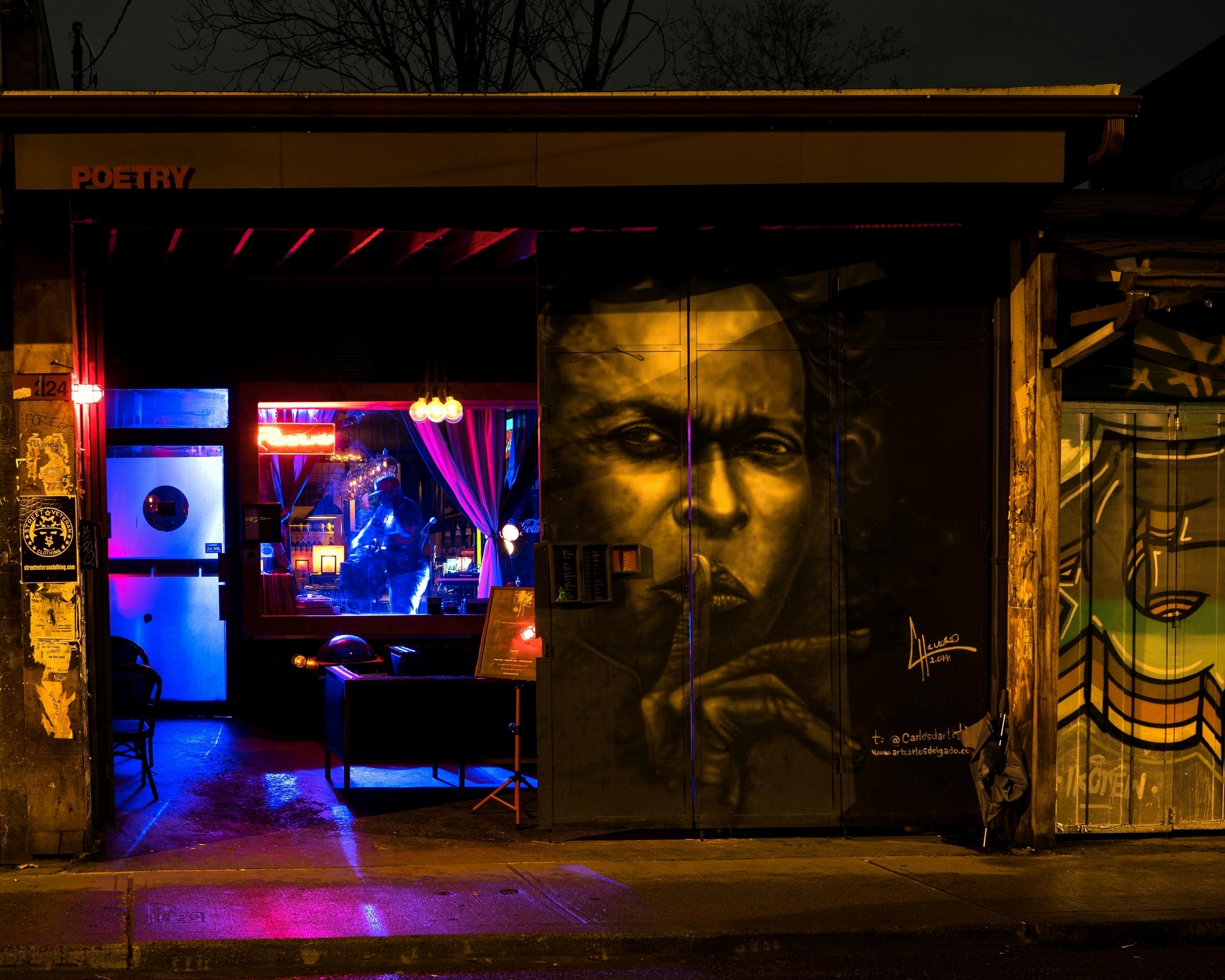
Night Visions – Contact Photography Festival 2017

UPDATE: blogTO has featured “Night Vision” as one of the 20 must-see exhibits of the Contact Photo Festival — check out the full list here: http://www.blogto.com/arts/2017/04/contact-photography-festival-toronto-2017/


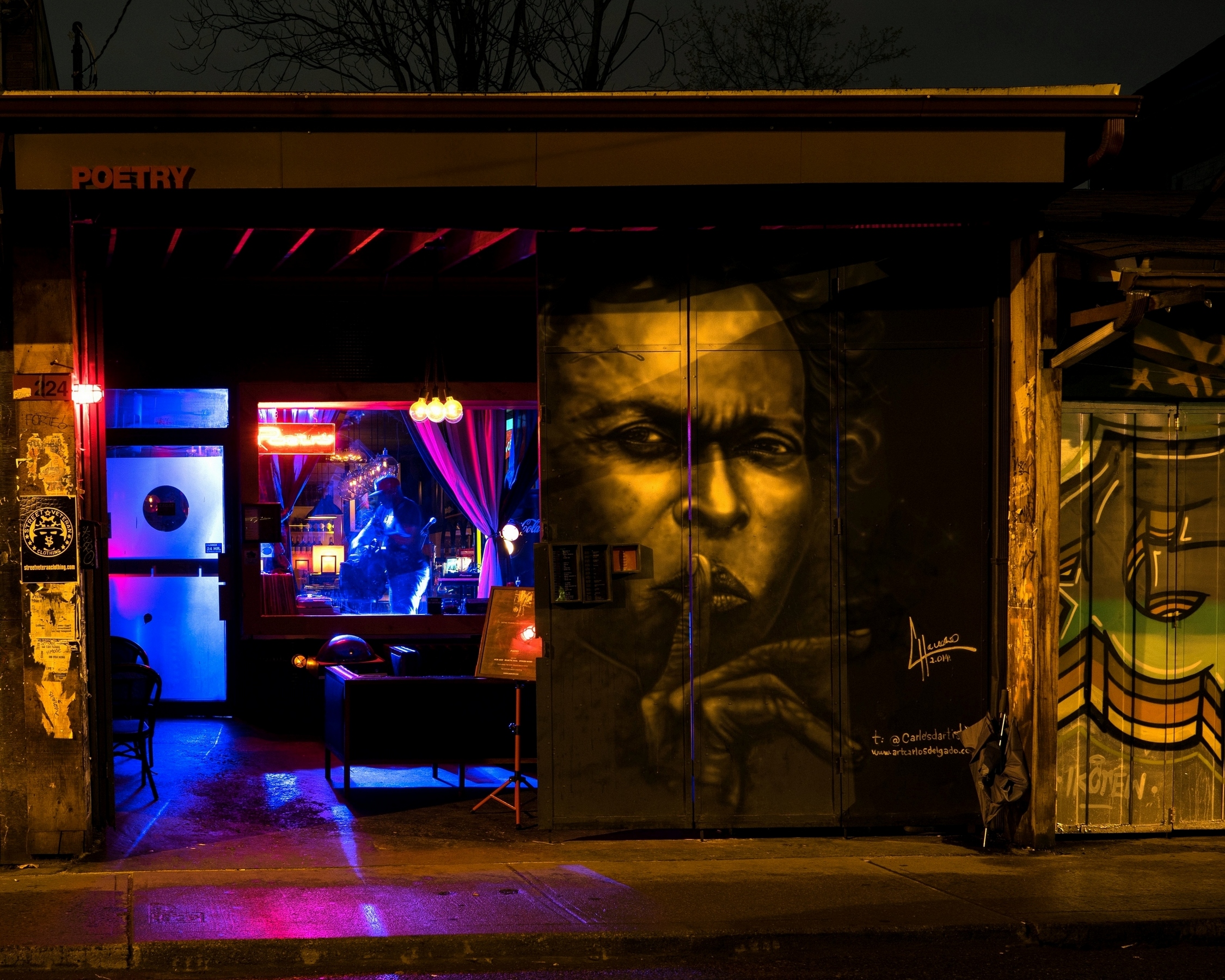
Coolearth Architecture is pleased to once again take part in the annual Scotiabank Contact Photography Festival, which runs throughout the month of May. This year we are featuring the photography of Richard Kuzniak. Richard is a Toronto native, a retired teacher of mathematics and physics at Upper Canada College, who has had a lifelong passion for photography. The exhibit features samples of his recent work, Night Vision.


From his introduction:
I like to photograph at night. It’s calm, quiet, the chaos of the day has subsided, and the human impingement is at a minimum. Structures take on a different aspect and the mood is more circumspect. The variety of illumination whether street lamp, fluorescent, neon, or sodium vapour endows a unique glow to even the most common scenes and objects. The longer exposures necessary emphasize these ambient colours in a way that a casual glance cannot. At night there is an artist’s palette of subjects that, reduced to their essence, are more compelling than their congested, banal appearance in the light of day. Parking lots, laneways, construction and storage yards, industrial sites, parks, businesses closed for the night, all take on a new persona, transformed by the darkness. Often the photographs display a painterly quality, emphasizing colour and form.


You can check out event page here: https://www.eventbrite.ca/e/night-vision-tickets-29746892757


The exhibit runs May 1 – May 30. The official opening is on Saturday May 6, 6-9 P.M.


Coolearth – Sustainable Architecture at the Green Living Show

This past weekend the Coolearth team was at the Green Living Show.  Thank you to everyone who came out to the show — there was a lot of very interesting conversation!


After Sheena’s seminar on how homeowners can retrofit their houses to be Net-zero Carbon there were so many people around the booth — we apologize if you meant to talk to us, but couldn’t at the show, please feel free to reach out to us by phone at 416-868-9774.


Thanks again to everyone who came out!