Sheena at Canadore College: on the Future of Sustainable Design & Carpentry

Yesterday Sheena Sharp, a principal at Coolearth, spoke to students at Canadore College’s pre-Carpentry class about how the trade will be changing in the coming decades to meet the challenge of sustainable design.


Building-Construction-Technician


The “typical” CMHC house construction techniques are being replaced or improved to include more considerations of energy efficiency.  Some of these changes include thicker walls to house more insulation for a higher r-value;  air-sealing a house by applying caulking to headers and sill plates before nailing them down; and the use of triple-pane windows and plywood window boxes to optimize the location of the window within the insulation profile.

 
The instructor Ryan had this to say:

Just a note to say thanks again for your time with the class on Tuesday! I know they found it interesting and enjoyable, because we talked about it in our regular morning “recap” yesterday. They seemed to be most impressed/surprised at the connection between architecture and fighting climate change: I think most of them had never considered that a trade could have a greater purpose beyond the immediate.


We look forward to coming across these students in the trade in the future!


On Toronto’s Water – A Guest Post by Toni Skokovic

guest 2


Toronto’s lakeshore and ravines hide endless possibilities for recreation and enjoyment of nature’s beauty. Ancient waterways and trading routes, Toronto’s waters are now a stage to an ever evolving landscape, shifting under and shaping the cycles of urban development and conservation efforts. In this process, we are left with landscapes, grand and intimate, in the midst of our largest urban community.


Ever since the first time I experienced the surprising beauty of sunrises along Sunnyside beach or Humber Bay, I had a desire to capture that all-stopping emotion. On Toronto’s Water exhibit is a part of my attempt to better define this natural artwork within our reach. We are accustomed to seeing our city’s park through generic recreational documentation or as a part of our historical archives. If we stop, however, and take a deeper look we discover an offering of deeper meaning and stronger emotion. The natural artistry of the here and now, a daily magic show of light, clouds and water.


Considering our parks as works of art in and of themselves, shoreline designed, made stunning with morning skies and our waterways. The beauty borne out of a complicated and not always harmonious relationship we’ve had with our rivers and lakes. Most of the coastline has been changed, impacted by generations of settlers and evolutions of our city’s economy. As we fought to harness and control nature, then rushed to save it from ourselves, a system of parks and trails emerged.


It is easy and tempting to rush through all of the parks and trails. In the end, the possibilities are endless. But this trap prevents us to discover hidden gems – stunning sunrises at Humber Bay, silence and power of vibrant spring flow along the Etobicoke Creek ravine or the weight and power of Humber River, that ancient and angry water. Sometimes, slowing down and taking a deeper look brings us farther, relaxes us at a deeper level, recharges the batteries.


Quite often, we feel a need to get away, travel long and far to enjoy nature. We often believe nature must be untouched, mysterious and distant. To get a great landscape, we need to undertake an epic trip. Toronto’s Water challenges that traditional view.  Stunning grand landscapes and intimate natural tranquility, all of it available to all of us, within 10 minutes from where we live and work. Most of our waterways modified with decades and centuries of development, impacted but still keeping their natural character, is the escape we can always use – on a daily basis.


Living in Toronto, we are never at rest. The views from our waters compel us, as if to help us rest and persist in the hectic pace of our modern times. Our parks and waters, the source of energy and life, an endless stream of visual inspiration. The exhibit, On Toronto’s Water, is a reminder of what is available to us a short walk from home.

 

guest 1


Come out to see the exhibit on display May 1st to May 31st at Coolearth Architecture, 386 Pacific Avenue, to discover the natural beauty that is a walking distance from home.


I would like to thank Coolearth, The Junction BIA and Scotiabank Contact festival for selecting some of my photographic work for the upcoming Photography in the Junction exhibit.
Also check out Toni’s site: http://junctionrails.ca/ and http://junctionrails.ca/contact-2016-photography-in-the-junction/


Annual Ontario Natural Building Conference 2016

dlAttach
 
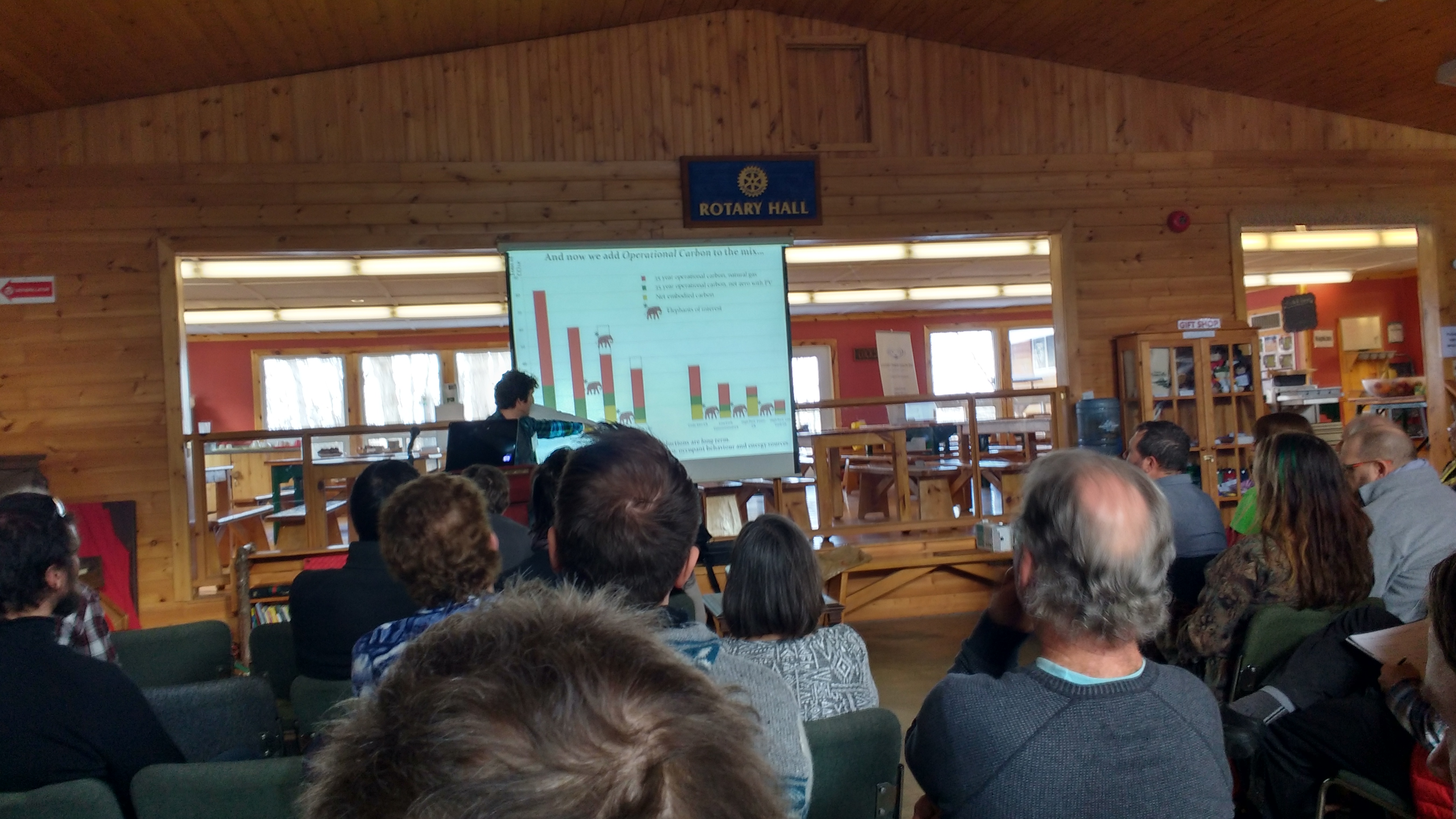
On Saturday, amidst the old-growth forests around Camp Kawartha, we attended the Annual Ontario Natural Building Conference. There were many interesting speakers and presentations on natural building techniques and methodologies.  The event was held in a straw-bale structure that is part of the camp.


Below are some notes from the conference:


Opening remarks by Frank Tettemer, the President of the Ontario Natural Building Coalition and Principal, Living Sol ~ Building and Design on what brings attendee’s together: the climate, health, building, and design.


dlAttach2
 
Chris Magwood, Founder of The Endeavour Centre for Life which “teaches sustainable building and design with unique immersion programs that provide real-life experience on precedent-setting green buildings” presented next. His presentation, entitled “Is Natural Building Meeting the Low-Carbon Challenge” focused on the “carbon elephant” which is the net-carbon used by common residential construction techniques.
 
– He gave a detailed breakdown of the embodied carbon energy and the overall operational carbon emissions (from heating, cooling, etc.) over a 35 year period. He compared:

 A Code-minimum designed house.

A low-carbon house using wood framing, cellulose dense-pack insulated walls and wood-fibre exterior insulation.

A high performance, Passive-house style house using spray foam and other foam.

A high performance Natural Building built using straw-bale, wood frame, and plaster.

 
– He found that the overall net-carbon of each type of construction varied greatly, with the lowest overall net-carbon being the Natural Building and the Cellulose-and Wood-fibre house. His research also indicates that Foundation systems are major consumers of carbon: not only for the concrete and or foam used in construction, but also the energy to dig the foundation hole. This opens up possibilities for the use of piles or piers to ease construction and mitigate use of concrete.
 
– He pointed out that there is a significant variation in the modeled energy of buildings due to occupant behaviour. His interpretation of this result is that the only thing that the designers can control is the embodied energy used in construction, and that therefore this is where designers should focus.
 
– He suggested the idea of requiring a building permit application to be accompanied by a “carbon declaration” stating the total carbon embodied in the buildings.  In a similar vein, he also proposed a submission of a “red list” for the known toxic and/or carcinogenic materials included in a building.
 
– He is very interested in straw-bale construction and calculated that with all the wheat grown in the USA in one year, you could build 4x the number of buildings being built each year in North America. He supports the use of straw bale as a means of building construction and insulation, but also as embodying carbon. He touched on large wooden buildings and the possibilities of using pre-fabricated straw-ball Structurally Insulated Panels as a means of large scale, urban, natural buildings.
 
– Are carbon-negative buildings possible? Yes, due to the carbon sequestration capacity of the materials used, i.e Wheat stalks used in hay may be more then 50% carbon by weight. This carbon is captured from the environment during the growing season.
 

The next presentation was by Zon Engineering with presentations by Jordan Hoogendam and Gregory Leskien and covered ways that natural, high performance houses could be heated.  These methods included geothermal, photo-voltaic solar, and heat pumps.
 
– Geothermal systems have failed in the past because people did not understand that the systems needs to run throughout the year: in winter it takes heat out of the ground, and in summer it needs to put heat back into the ground.  Without this the system will eventually lose all of the heat, and freeze-solid.  Geothermal is like using the ground as a battery for solar thermal energy.  Deep geothermal can use the nuclear energy of the earth’s core.
 
– Wood is a battery storing the thermal energy of the sun.
 
Later on in the afternoon homeowners presented their experiences building natural houses and there was a stimulating conversation on Natural Building and the Ontario Building Code.
 
Overall it was a fantastic day: we met many interesting people and had a lot of stimluting conversations.  Thanks to the Ontario Natural Building Coalition for putting it together.

Georgian Bay Biosphere Reserve — the world’s largest freshwater archipelago

This week the Georgian Bay Biosphere Reserve, a collaborator of Coolearth, has done a guest post for our blog on the important work they do.  Together we want to bring awareness to the great beauty and vital importance of this UNESCO site.


Canoe -Kenton OtterbeinPhoto by: Kenton Otterbein
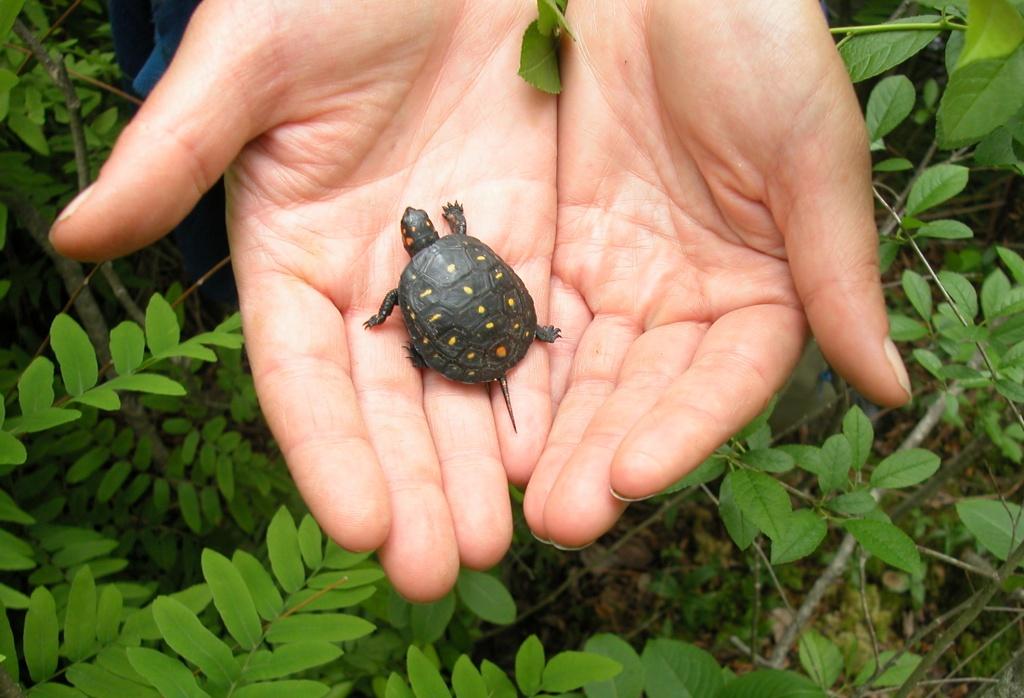
Georgian Bay Biosphere Reserve (GBBR) is an area of 347,000 hectares that stretches 200 km along the eastern coast from Port Severn to the French River, in the world’s largest freshwater archipelago – known as the 30,000 Islands. The unique geography and geology of the area create more than 1,000 distinct habitat types which support a variety of rare species, including plants, mammals, birds, reptiles and amphibians.
Credit K. OtterbeinPhoto by: Kenton Otterbein
Biosphere Reserves are important ecosystems that are internationally recognized by UNESCO, where communities pursue conservation of biodiversity and sustainable development. They are nominated by communities committed to balancing the needs of people and nature within a shared landscape. There are currently over 600 world biosphere reserves in 117 countries, with 16 in Canada.
Credit Aidan TierneyPhoto by: Aidan Tierney
Established in 1998, the Georgian Bay Biosphere Reserve Inc. (GBBR) is a non-profit community organization based in Parry Sound, Ontario. Its mission is to foster a shared responsibility for the Georgian Bay for the next seven generations, through conservation, education, and sustainable development. Coolearth Architecture has been a proud Biosphere Charter Member since 2012.
BIOSPHERE MAP 8x11_Mitig 2011 - Copy-1
One role of GBBR is to help inform, educate, facilitate and provide leadership where it is needed. Once a program has been established, we explore ways to transfer leadership while maintaining an interest in the “big picture” of activities that support conservation and sustainable development in the region. The GBBR acts as a neutral forum for governments and civil society, and to mobilize the participation of organizations and committed individuals for a healthy community.
The organization is comprised of volunteers from various walks of life with a common purpose: to protect the ecosystems and livelihood opportunities of Georgian Bay for future generations through conservation, education and sustainable development. It is supported by project grants from all levels of government, donations, memberships and fundraising events – such as the annual Brew-Ha-Ha craft beer and comedy night on October 15, 2016.
For more information on the GBBR’s programs, or to become a member, please visit gbbr.ca (Coolearth is a happy Charter Member) Thank you!
GBBR logo UNESCO

Designing for Future Ontario Climates – Homes and Cottages

warming in toronto

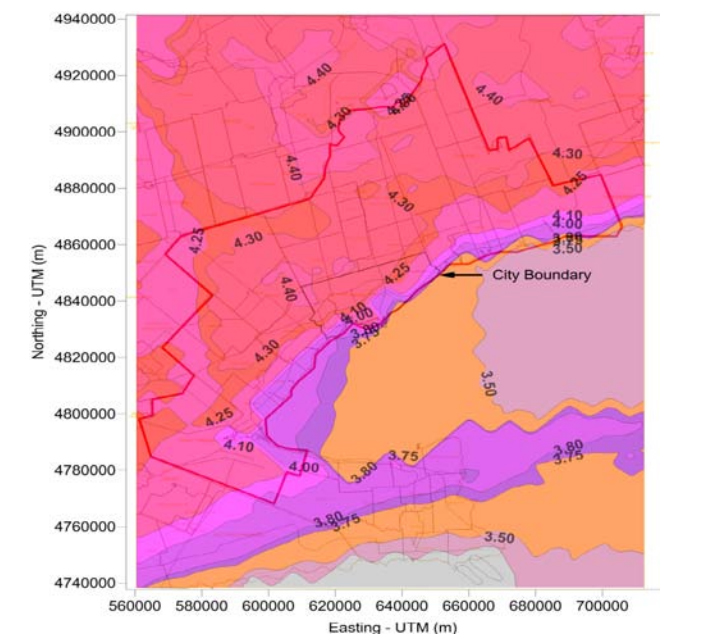
Map showing the extreme daily maximum temperature change in degrees

Climate change is topping national, provincial, and municipal conversations these days: and for good reason.  The fast few years have been the warmest on record (“NASA, NOAA Analyses Reveal Record-Shattering Global Warm Temperatures in 2015“) and the perils of business-as-usual become apparent. Ontario is implementing a Cap and Trade system, following in the footsteps of BC and Quebec. The Prime Minister is holding meetings with the Premieres and Presidents to implement a nation-wide, and continent-wide strategy. But in all of the best cast scenarios the climate will warm.  And one implication of climate change is in the weather we receive.


Climate is defined as “the weather conditions prevailing in an area in general or over a long period”, while weather is defined as “the state of the atmosphere at a place and time as regards heat, dryness, sunshine, wind, rain, etc.”


On an interesting webinar this week hosted by Mike Williams (
Technical Director, Sustainability) and James W.S. Young, (Senior Consultant, Air Quality & Weather) of RWDI about resilient design and climate change, we learned some of the intricacies of future weather forecasting at high resolution in order to predict how the climate will be changing in each square kilometer of the city from the years 2040-2049.

Mike and James suggested that the implications of these changes require resilience and adaptability in the buildings we build as well as a re-focusing on strategies around energy-use.  Resilience might be as simple as ensuring we have air-tight, well-sealed, and well-insulated building standards to ensure that in the event of a sudden or violent storm with a power outage people stay dry and comfortable.  The black-out in the Eastern Seaboard, which we have talked about in a previous blog post on resilient design occurred in the summer: but if it occurred in the winter, there would have been massive damage and headaches from pipes freezing and a risk of loss-of-life due to heat loss and hypothermia.


In the webinar they also pointed to a very interesting study conducted for the City of Toronto entitled “Toronto’s Future Weather and Climate Driver Study” which opens as follows:


In order to more effectively plan municipal infrastructure investment and provision of services, the City of Toronto needs to know what currently influences Toronto’s present weather and climate. The City needs to determine how these influences are likely to change, and how severe the consequences are likely to be in the future. In simple terms, the City of Toronto needs a better understanding of why Toronto gets the weather and climate it gets now and what weather and climate it can expect to get in the future.


The Toronto’s Future Weather & Climate Driver Study shows that in the next 50 years in Toronto we can expect:


• Less snow and more rain in the winter
• 26 fewer snow days per year, 9 less in December
• Slightly more precipitation (snow plus rainfall) overall
• Marked rainfall increases in July (80%) and August (50%)
• Extreme rainstorm events, fewer in number but more extreme
• Average annual temperatures increase by 4.4C
• The projected average winter temperature increase by 5.7C.
• The projected average summer temperature increase by 3.8C.
• The extreme daily minimum temperature rises by 13C (i.e., becomes less cold).


It is well worth looking into this study further as it is very fascinating.


Thanks to Mike and James of RWDI for the webinar and the interesting brief on resiliency and adaptability!


Paper as Insulation

At the firm as part of our conversation around insulation types, one of the Principals, Marty, mentioned that we have been using newspaper to insulated walls for hundreds of years. Indeed if anyone has done a renovation or addition to a home in Toronto from the early 1900’s, they might have found old newspapers still well preserved: what a blast from the past! Looking at the history books shows that Cellulose insulation has a long history. Monticello, Thomas Jefferson’s estate in Virginia, built in the 1772 even used a similar material.


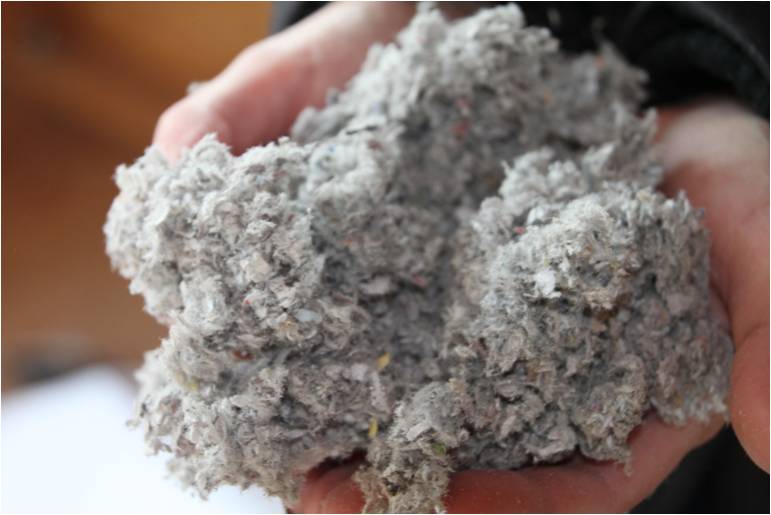
This week’s post will look into cellulose insulation (i.e shredded up newspapers). Cellulose insulation is plant fiber, most often newspaper, but also cardboard, cotton, straw, sawdust, hemp and corncob. It is a non-hazardous, natural material which has a very low emboddied energy (it in fact emboddies carbon). Modern cellulose insulation is made from newspapers: a close look makes this clear as often little bits of newspaper font are visible. There is also a fire-retardant (boric acid and sometimes ammonium sulfate — also used as an additive in bread and flour — and considered food safe), but other then that the material is inert and harmless. Another benefit is that cellulose insulation is often over 75% recycled content (from old newspapers), which makes it a sustainable and in fact carbon-negative product.


There was a large explosion in the use of cellulose insulation during the Oil Crises of the 70’s in the US, but it fell from favour due to issues around fire-retardance and spurious claims by competing insulation manufacturers attempting to dampen enthusiasm (or so it is said). Further research into Cellulosic insulations properties suggest that it can preform better on fire-tests in walls then fiberglass insulation due to having a higher density.


There are in general four types of cellulose insulation:


cellulose-in-hand-for-web
 
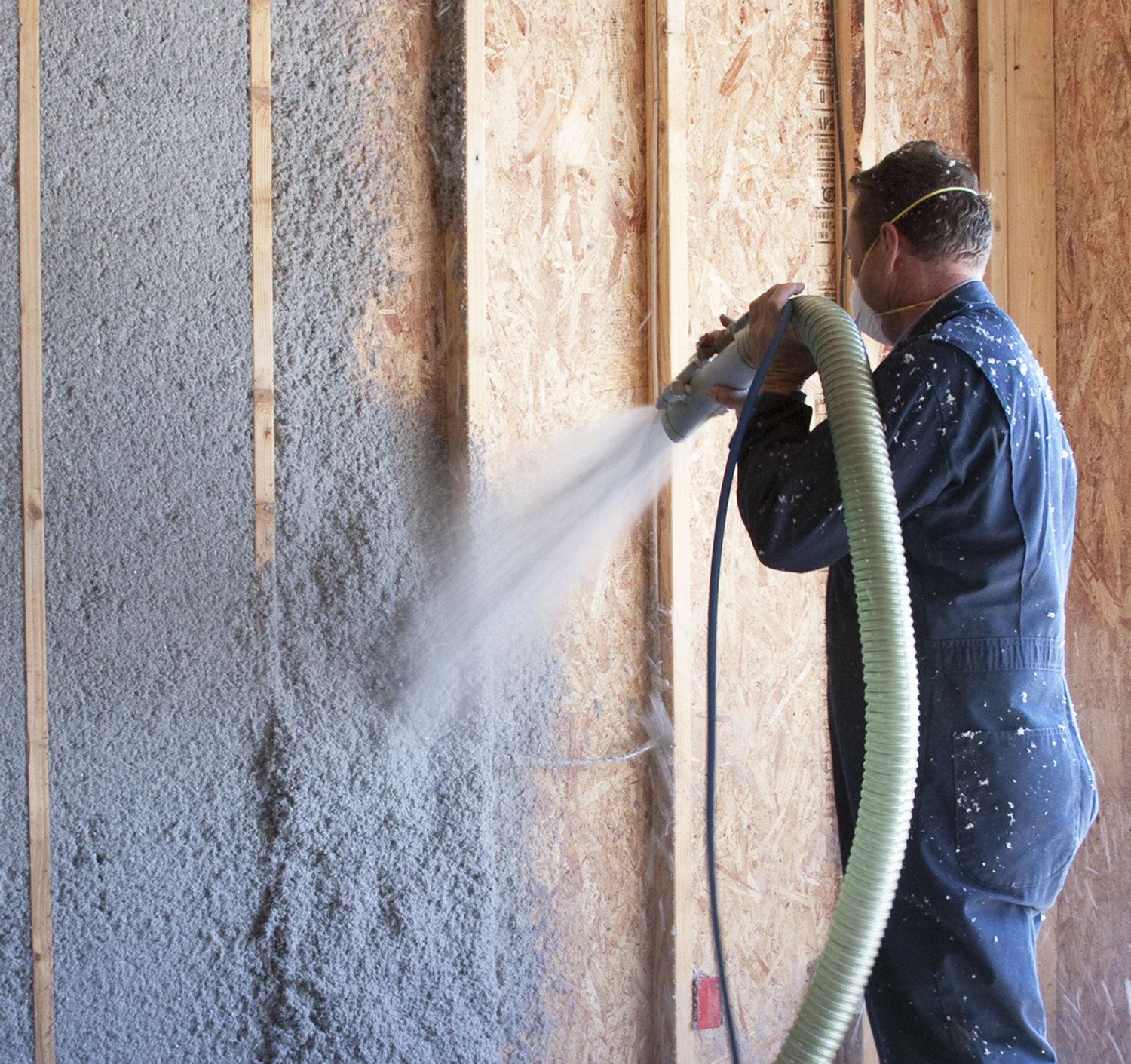
1.) Loose Fill – In this application the cellulose is loose and dry. It is blown into an attic, wall cavity, or floor. It can be used on new or existing houses. The method is simple: when access to the cavity is not possible a hole is drilled in the top of a wall and the cavity is filled. Where access is possible it can be sprayed from above. One concern with this method is that the loose material settles over time by up to 20%. This leaves hollow air spaces at the top cavity of the wall. Claims that this does not happen, or that proper training can mitigate this should be treated with sketicism as gravity and logic dictate this settling.


126_WmeoxDAc
 
2.) Wet Spray – In this application the cellulose is mixed with water, chlorine, and an adhesive or binder, and sprayed onto a wall much like spray foam. This method can be used on new construction while the wall cavity is open. An advantage of this method over Loose Fill is that there is little-to-no settling, a better airbarrier can be formed, and due to being able to see the cavity, vertification of a good application is forthcoming.
 

3.) Stabilized – This application is for attics, and is a mix of the two above: only a tiny bit of water is added to create a material which again does not settle as much.


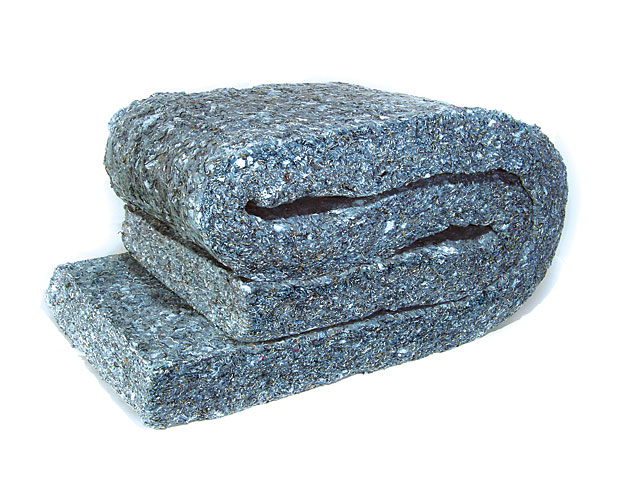
5_Quiet_Batt_Acoustic_Insulation
 
4.) Batt – Cellulose can also be formed into large fluffy sheets, like fiberglass insulation, known as batts which are then inserted into the study and rafter cavity. In this method there will be no slumping due to the stabilized nature of the cellulose. Assembly is also easy and can be done by someone with only a little training on best practices. However looking into the Material Safety Datasheets for Cellulose batt, there seems to be upwards of 20% Polyester. We’re not sure why this is added.

 
An intersting point is that cellulose insulation manufacturers recommend not using a vapour barrier. Apparently because air movement is responsible for problems related to moisture, and because cellulose has a high density (especially in dense-fill application — see below) the ability for air to move around is minimized.
 
Overall it seems like the use of cellulose as an insulation material makes a lot of sense from a sustinability as well as performance perspective. It also seems like it can be a good material for indoor air quality: there are no Volative Organic Compounds or Formaldehyde and the material is inert. There is some cause for wonder, at the complexity and lengths which insulation manucfacturers go to to create “insulation” which cellulose manufactures can produce with a grinder and stacks of newspaper.
 
We’ll keep you updated as we progress our research and experimentation with this material.