Permaculture, or Working with Nature

Architects are tasked with designing and supervising the construction of buildings.  The landscape surrounding the building is integral to the building, and therefore we make a site plan which details all of this.  The surrounding landscape can have a big impact on the climate inside and around the building, as well as the quality of the air and views.  Working symbiotically with plants  and fences it is possible for the Architect to create micro-climates.  For instance, something as simple as the planting of decidiuous tree’s around a building can act as a shading device.  Because their leaves shield the sun in the summer the help create a cooler micro-climate.  In the cool season the leaves fall which allows light to enter the rooms deeply onto thermal mass floors or trombe walls, and also warm the outside of the building in winter.  The same solar shading can also be achieved with vines, like Wysteria, Grape, or Ivy.
 

permaculturecoverMollison


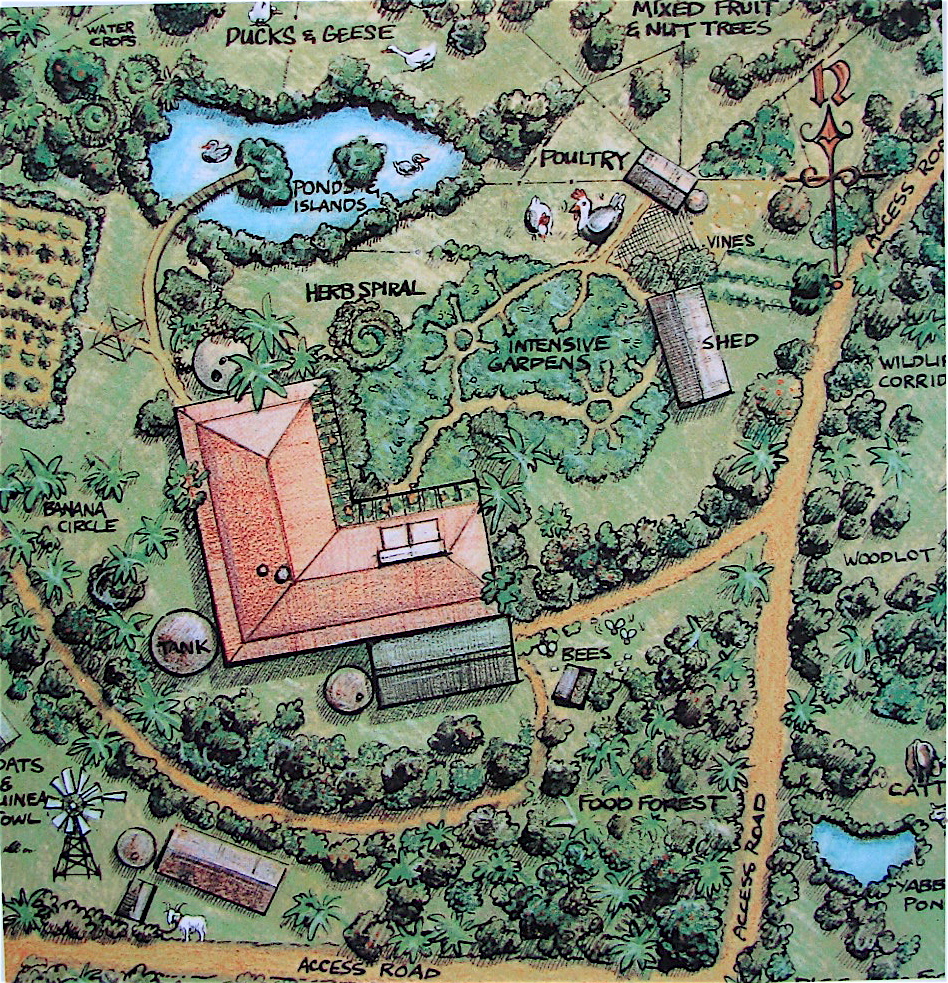
A movement called “Permaculture” seeks to take this to the next level by considering the building to be the core of a diffuse network of relationships with the landscape.


Permaculture is a system of agricultural and social design principles centered around simulating or directly utilizing the patterns and features observed in natural ecosystems…

Permaculture design therefore seeks to minimize waste, human labor, and energy input by building systems with maximal benefits between design elements to achieve a high level of synergy. Permaculture designs evolve over time by taking into account these relationships and elements and can become extremely complex systems that produce a high density of food and materials with minimal input. (1)


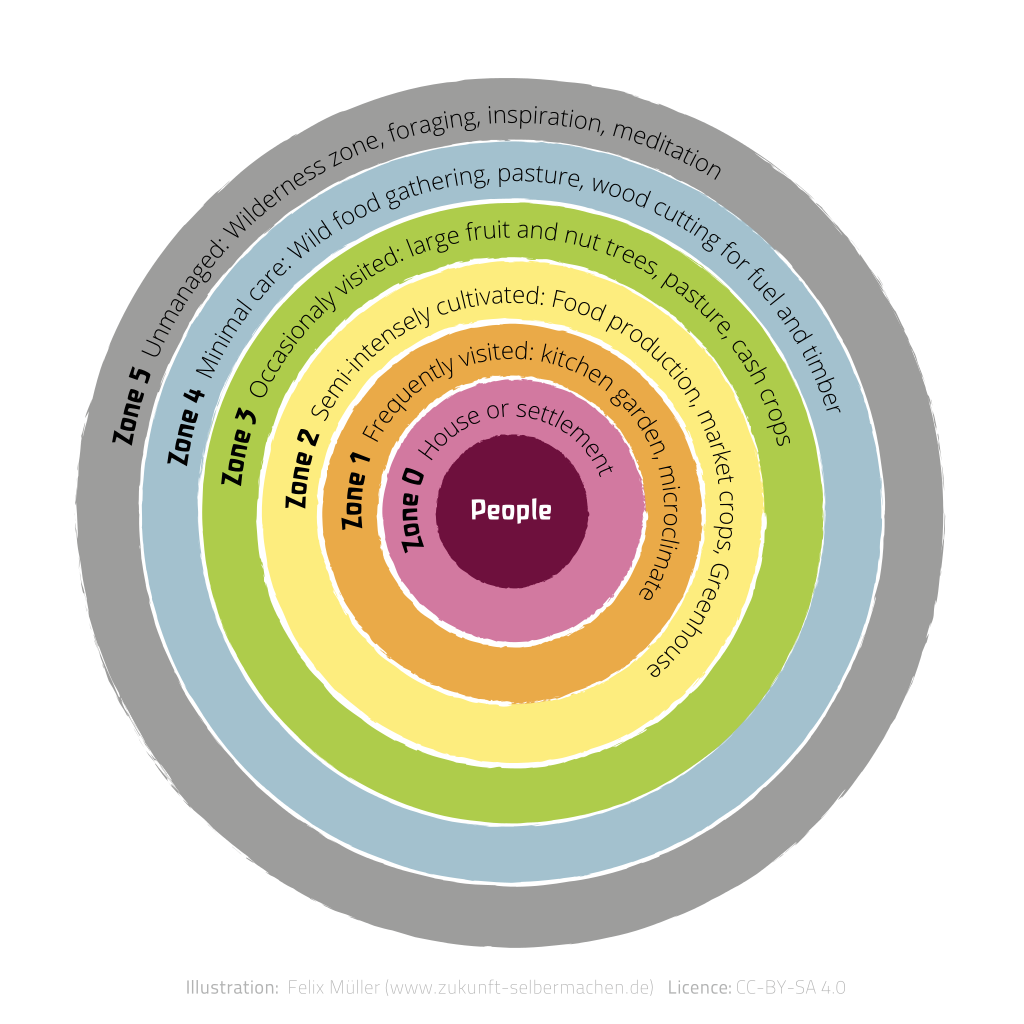
One of the most interesting aspects of Permaculture is the idea of “Zones”.   This is the idea of arranging the design of the landscape around the home based on frequency of use of certain activities.
Permaculture_Zones.svg

There are six Zones.  The first is the “core”, or the house, and the last is the wilderness. Along this continuum there vegetable and herb gardens, compost areas, perennial plant beds, full-scale food crops, and forage areas.  Architects use the idea of zones when we are laying out the configuration of our clients buildings.  We take into consideration many factors and decide to locate certains rooms and programmatic requirements in certain places.  However the idea of “permaculture” reminds us that this “zoning” can extend beyond the building, to engage the landscape in a productive and fruitful discourse.


What possibilities lie ahead for the integration of the landscape and the building into a mutually beneficial process?


(1) –  Wikipedi: https://en.wikipedia.org/wiki/Permaculture

Queens Quay Re-opens with Beautiful Bike Lanes, Sidewalks and Trees

Yesterday afternoon I had the pleasure to cycle on Queen’s Quay bike lanes before they were officially opened later that evening. The joy of riding down the street without dodging and diving across and between construction barriers, street car tracks, and confused (and rightly-so) pedestrians and motorists cannot be overstated.


The revitilization project, which has been three years in the making — and is over budget — is nearing completion. The final push to open came to co-incide with the Panam/Para-panam games starting shortly, which as far as we are cornered is a good as excuse as any to actually get the street opened.
 
Alex of the Globe and Mail did a thoughtful review that can be seen here: http://www.theglobeandmail.com/news/toronto/queens-quay-revealed-why-the-waterfront-redesign-is-thoughtful-modern-urbanism-at-its-best/article24949822/
.
 
Overall I am looking forward to using the new bike lanes to get to the East End, the Ferry Terminal… and hope we can continue to reclaim our Waterfront from the mess it is in currently.

Call for Proposals for Passive Building Show August-September 2015

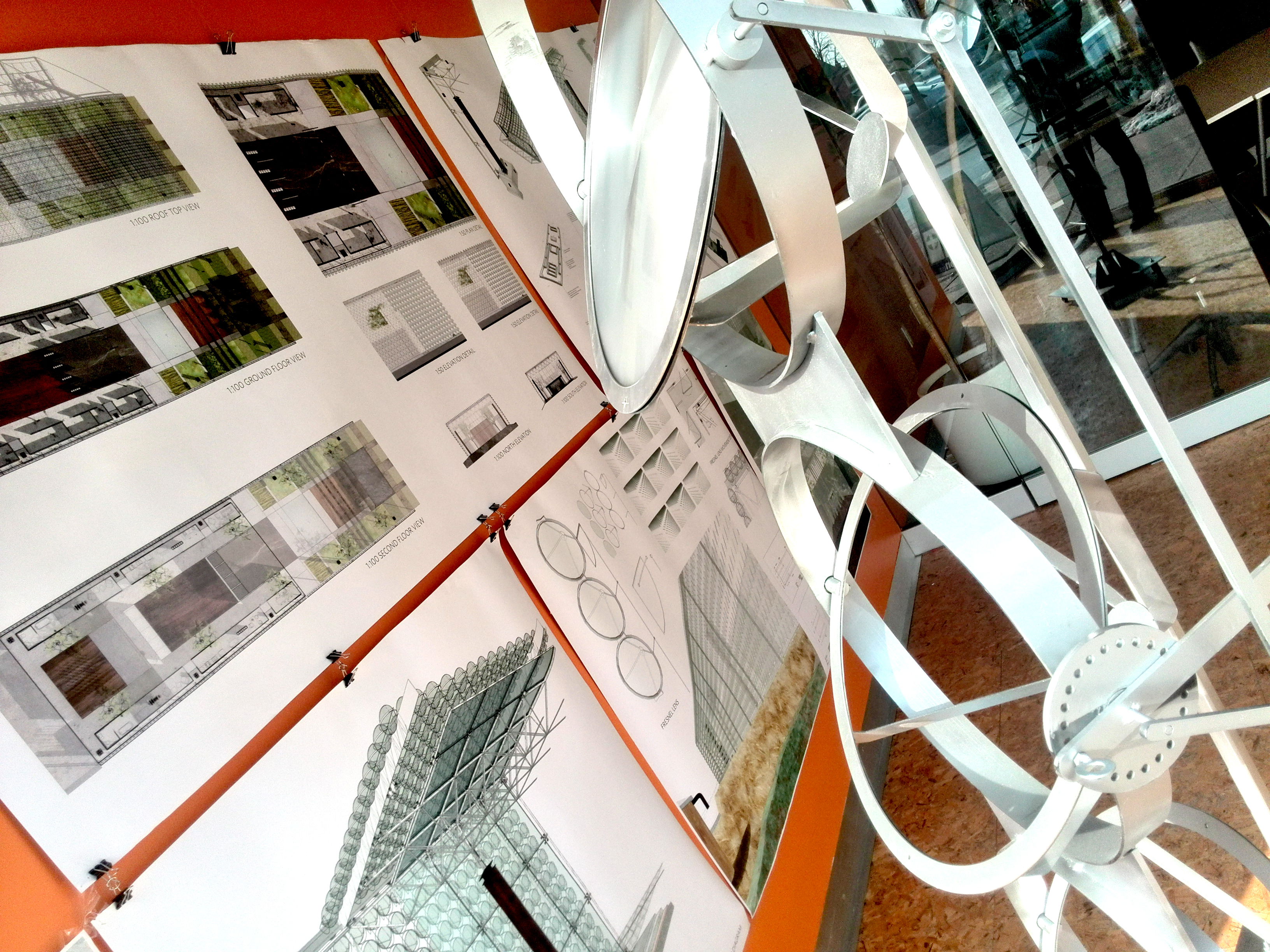
Coolearth Architecture is calling for proposals for their storefront Gallery space that explore passive buildings.  Selected entries will be displayed in August and September at 386 Pacific Avenue, in Toronto’s Junction.
 
Proposal Statement:
Much is made in the media of “smart” buildings which are wired and connected throughout, which move and twist in response to environmental stimulii. We propose that what makes a building “smart” is also how efficiently it uses energy.  Efficiency is the task of architects todays as we strive to mitigate the horrendous impact that the current operation of buildings have on our environment.  Yet, what makes a building efficient is often invisible and passive: well insulated walls, an air-tight envelope, smart glazing, ventillation, and occupant behaviour, all contribute to making a building so efficient that it requires no input, and generates no output.  Passive Houses, Multi-Unit Residential, Commercial, and Instituational buildings are growing in popularity around the world yet in Canada we can count the passive buildings on one hand!
 

We are calling for proposals of projects, drawings, events, sculptures, objects, or investigations which explore how passive strategies in buildings can be celebrated and made manifest for building users.

 
Please submit a one paragraph explanation of your proposal, and at least one image to christou@coolearth.ca by July 13th.
 
Background:
Located in the heart of Toronto’s Junction neighbourhood, Coolearth is a 5-person architecture firm that specializes in sustainable, quantifiable, and durable buildings.  As part of our commitment to our community, as well as profession, we have a storefront  and front gallery.  Most recently this space played host to a gallery exhibit by Shawn Micallef, the Editor of Spacing, as part of the Contact Photography Festival this year.  Our website is www.coolearth.ca
 
Reference Material:
A street elevation, plan, and three photos of the space can be found here: https://www.coolearth.ca/wp-content/uploads/2014/02/386Pacific_referencematerials1.zip
 
ipp
^ View of last years exhibit of “Heliotrope Spa”, but Sonia Yuan.

“World’s Most Sustainable Building”

Photo Credit: The Edge
The sun-drenched atrium is bathed in natural light from the numerous windows. Photo Credit: The Edge


The Edge, is a new building in Amsterdam that incorporates many interesting and important sustainable features.


Though the claim in the post title is perhaps a bit hubristic, the ideas and strategies used are just-plain common sense, well known and proven.  The use of the Venturi-effect to draw office air into the atrium is interesting.  Also the individually monitored “luminaires” which allow individual occupants to not only control their own work-stations temperature, and lighting level, but also allow them to view their energy usage via an app on their smartphones, and gives buildings owners and managers the tools they need to study how occupants use energy.


They have produced a slick video to demonstrate these features:


We are curious to see how these new integrated approaches to energy use visualiation and customization make their way into the market.


The abundance of glazing, with its low insulative value is less of a concern in climates like Amsterdam than in Toronto, where the low low’s and high high’s mean that more insulative materials are needed.
via: http://ecowatch.com/2015/06/08/worlds-most-sustainable-office-building/


New Canadian Emissions Targets Set by Feds

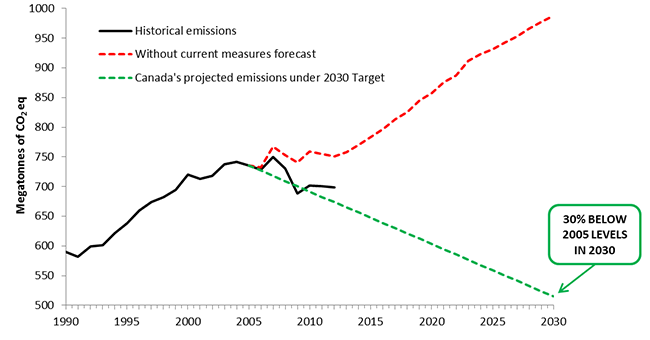
“Environment Minister Leona Aglukkaq announced today that Canada plans to reduce its greenhouse gas (GHG) emissions by 30% below 2005 levels by 2030.”

The proposed measures deal with:

– Regulations aligned with recently proposed actions in the United States to reduce the potent GHG methane from the oil-and-gas sector

– Regulations for natural gas-fired electricity

– Regulations for the production of chemicals and nitrogen fertilizers


The Feds new release also included the following graph:

Canadian Emissions Under 2030 Target

indc-g2-e


The CBC news have right pointed out that while they have set the target, and outlined highlights, their is little indication how they plan to make such a substantial reduction.   There is some fear that most of these reductions will involve spending CANADIAN money on Carbon Credits on projects in OTHER COUNTRIES to achieve this goal.

As architects we focus on the built infrastructure of the world, and know the impact that the annual operation of buildings on the environment.   The idea that we would spend our money of sustainable and carbon-offsetting projects in other countries is deeply disturbing.  Further the Feds announcement makes no mention of the power of increasing our current Energy Efficienc, and achieving savings in this manner.

The Federal Governments news Release can be found here: http://news.gc.ca/web/article-en.do?nid=974959

Craig has his Passive House Certification

We are proud to announce that Coolearth’s Craig  England has just received his Passive House Certification.  Congratulations to Craig! We are excited to offer clients the services of a certified Passive House Designer!

seals

To learn more about Passive House, visit a blog we did here, or check out the Passive House website


IMG_5557