
Blower Door Testing on Net-zero Toronto Semi-detached Retrofit

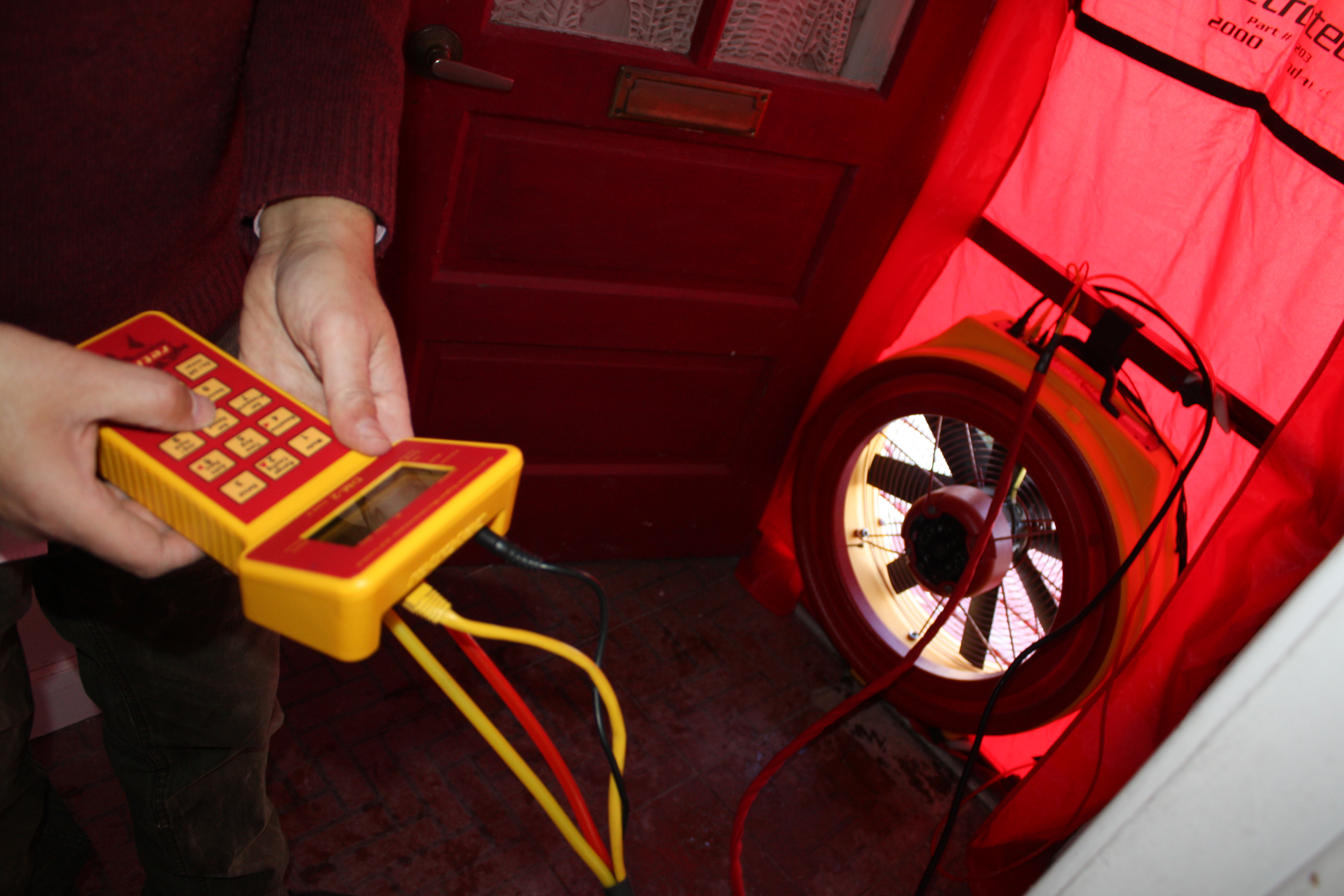
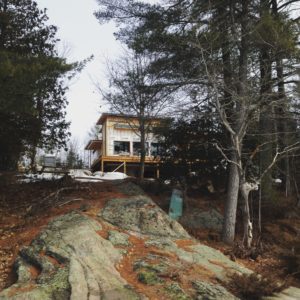
Yesterday the Coolearth team conducted a Blower Door test on the Net-zero Toronto Semi-detached Retrofit project during the construction phase to identify any major air leaks.


By doing the Blower Door test mid-construction we are able to work with the contractor to solve problems before we get to far into the process.   This saves money and time!


After sealing all of the major vents and intakes we installed the fan into the door-frame and de-pressurized the interior.


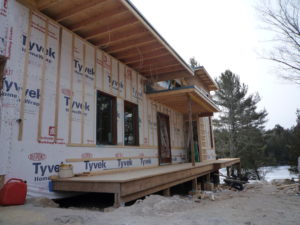
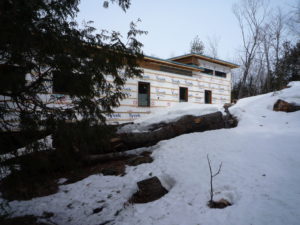
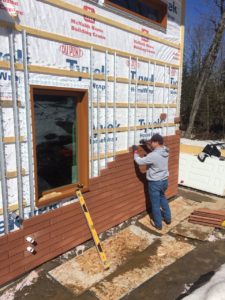
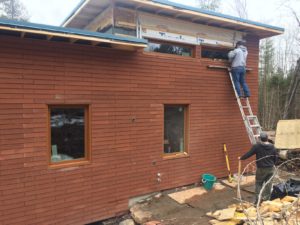
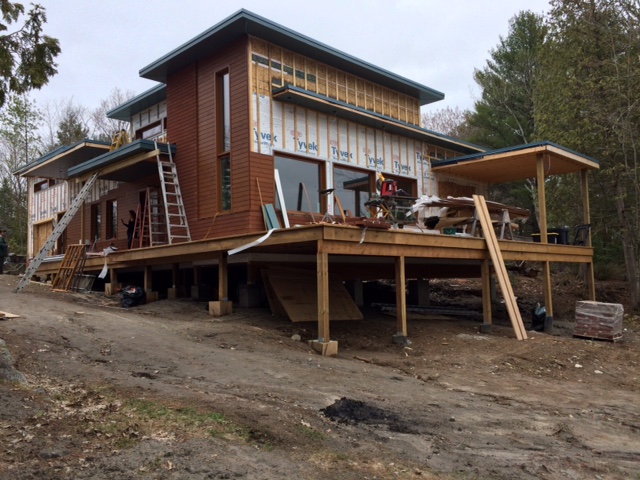
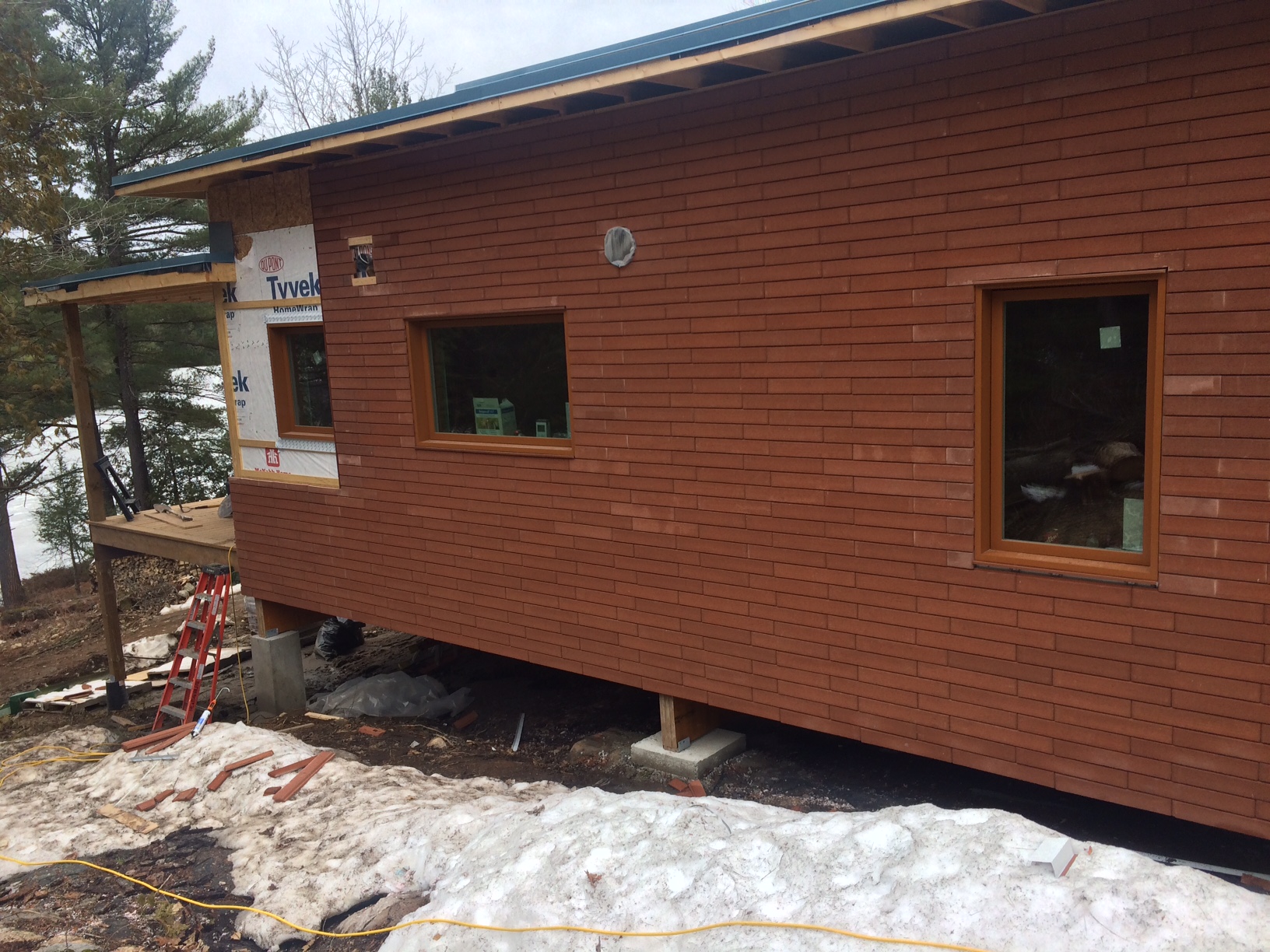
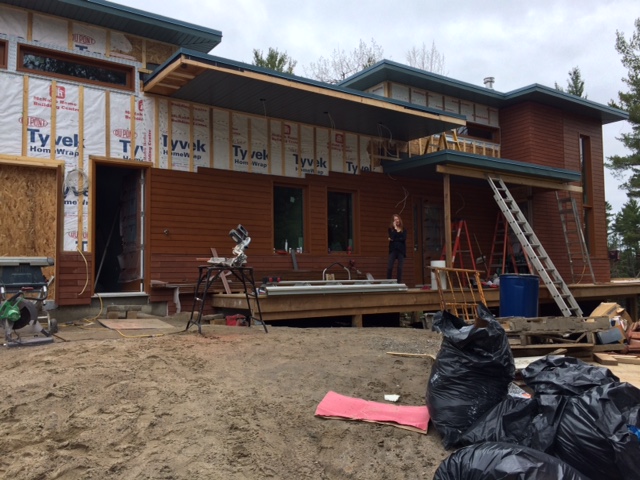
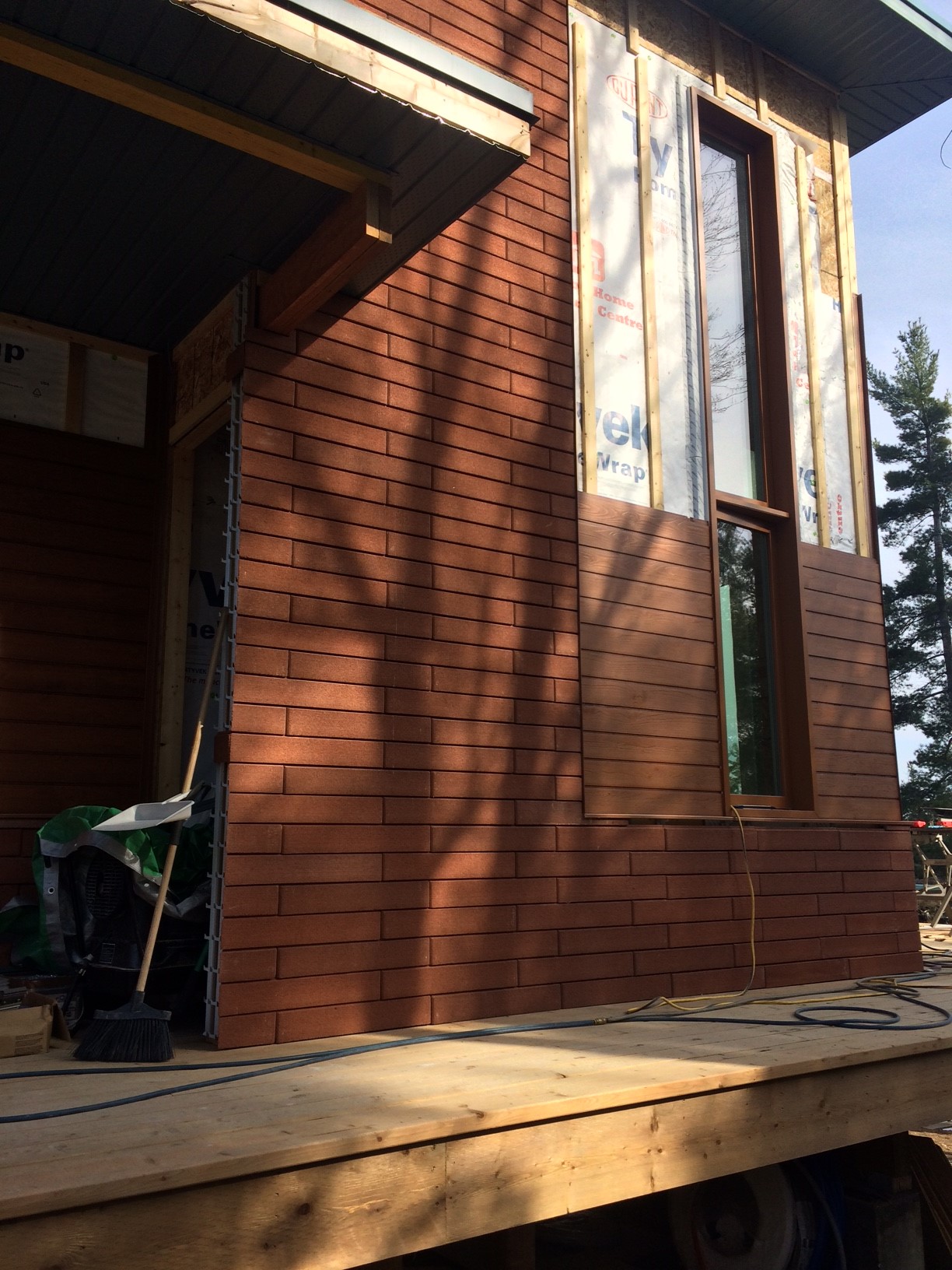
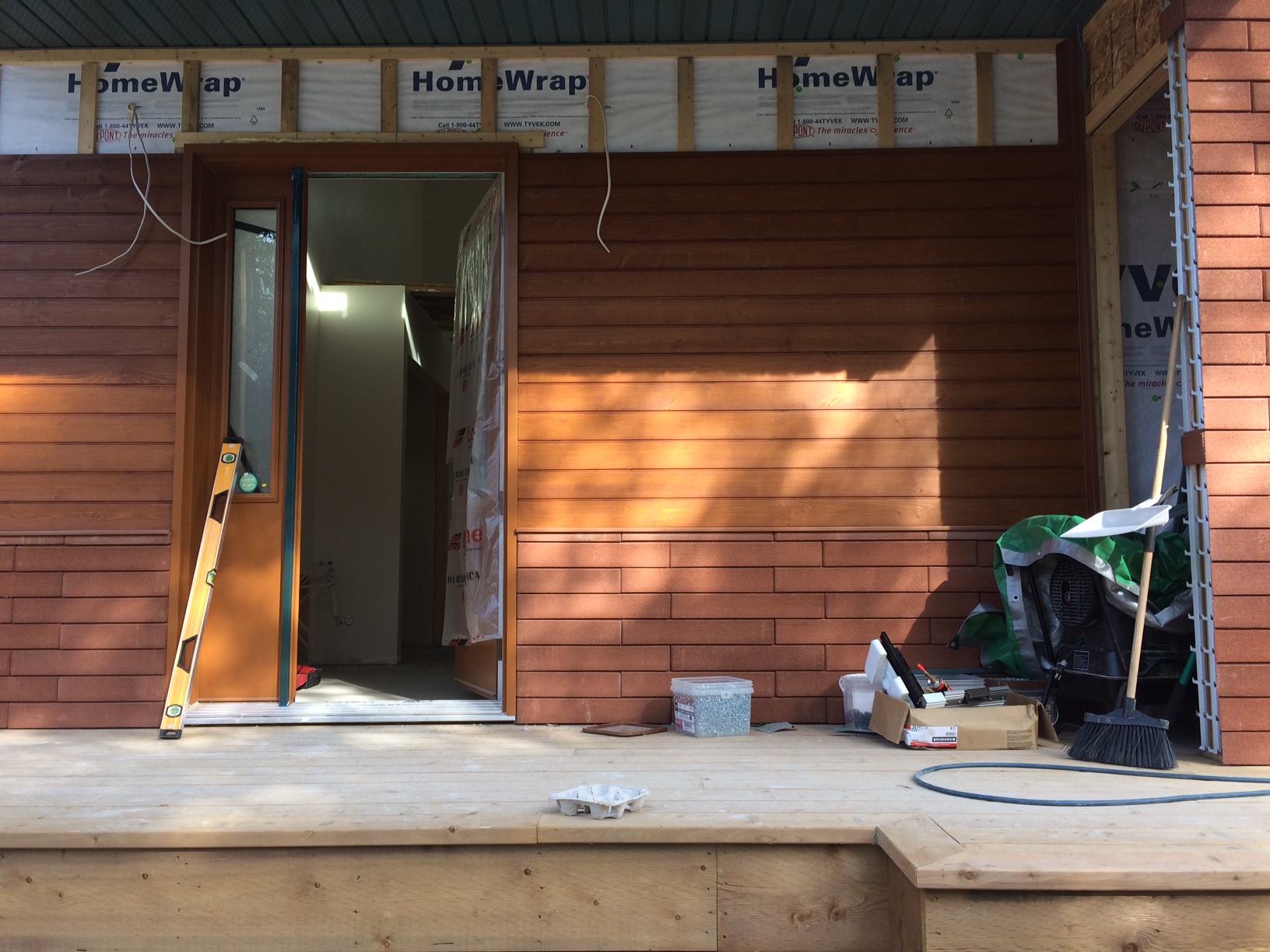
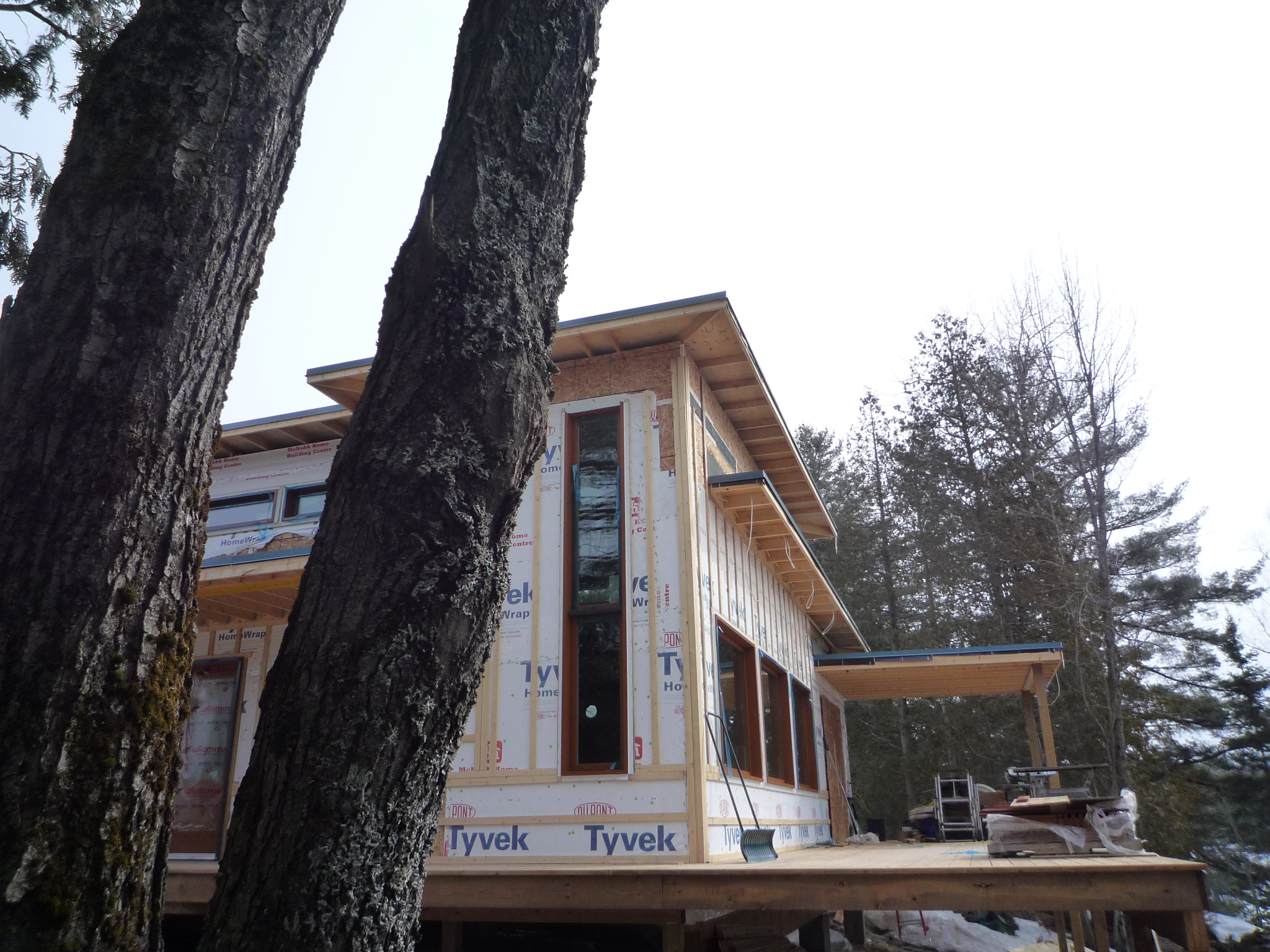
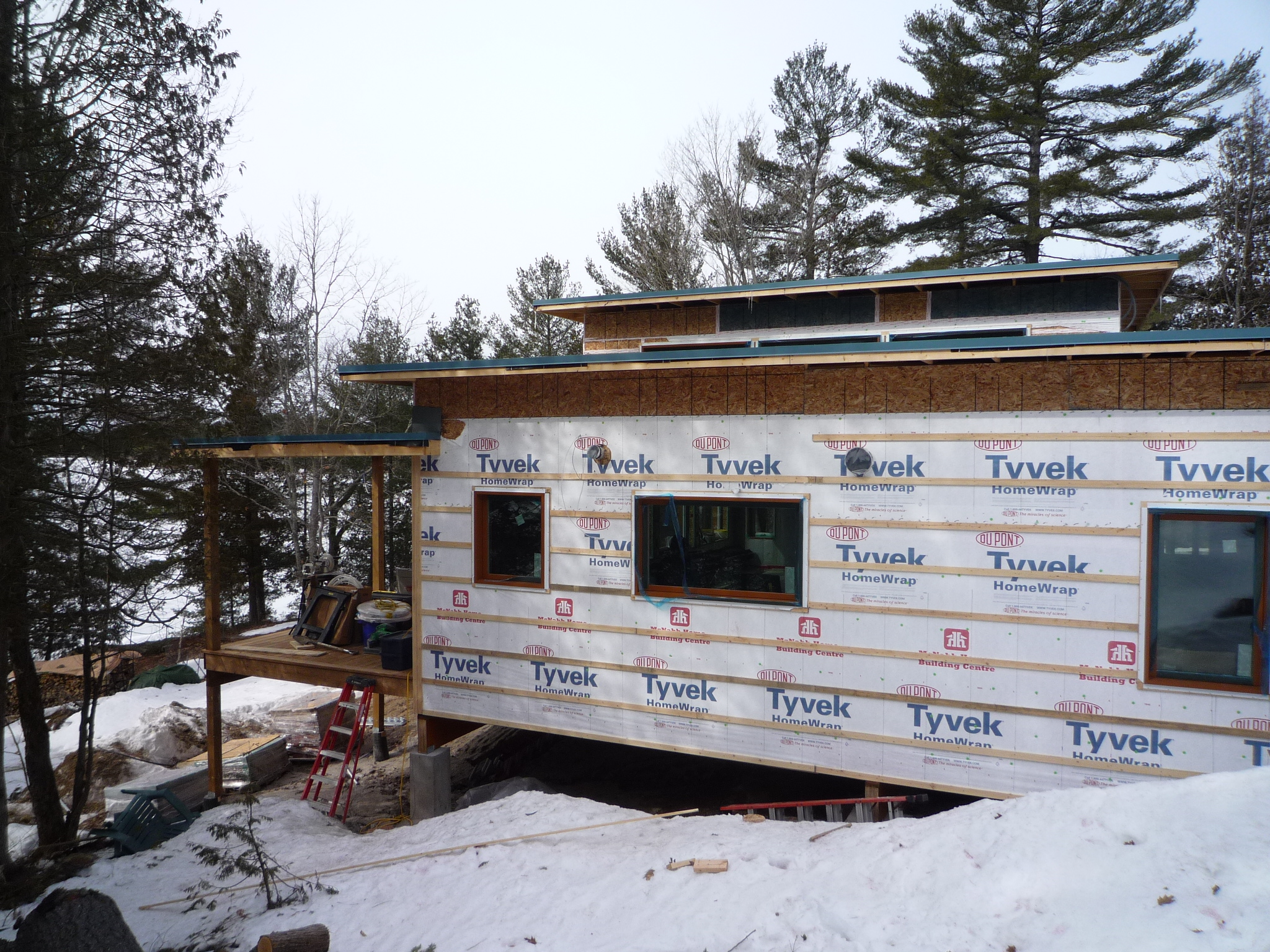
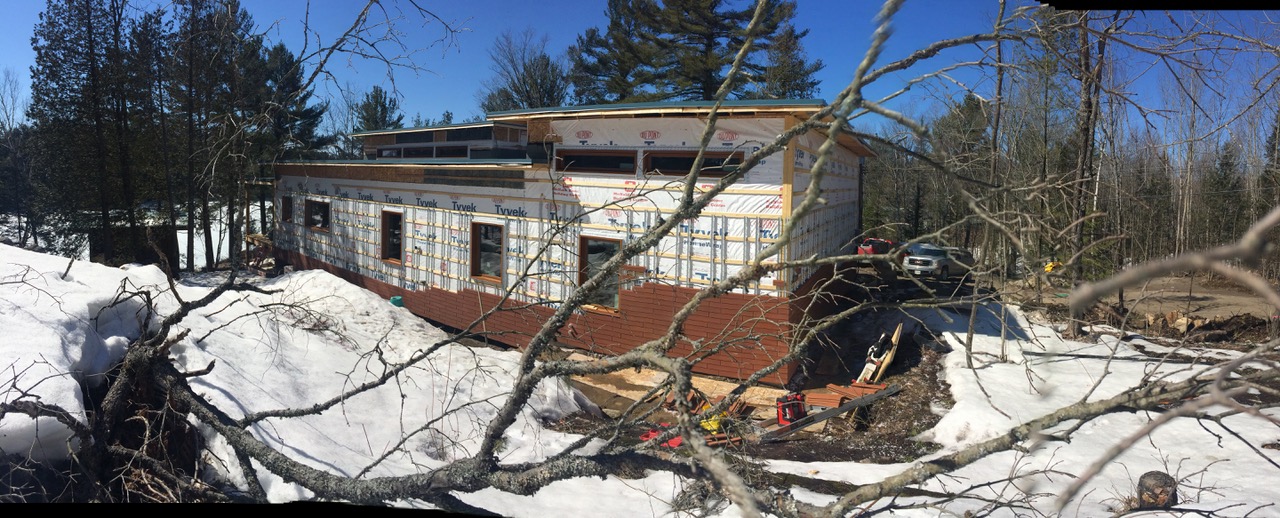
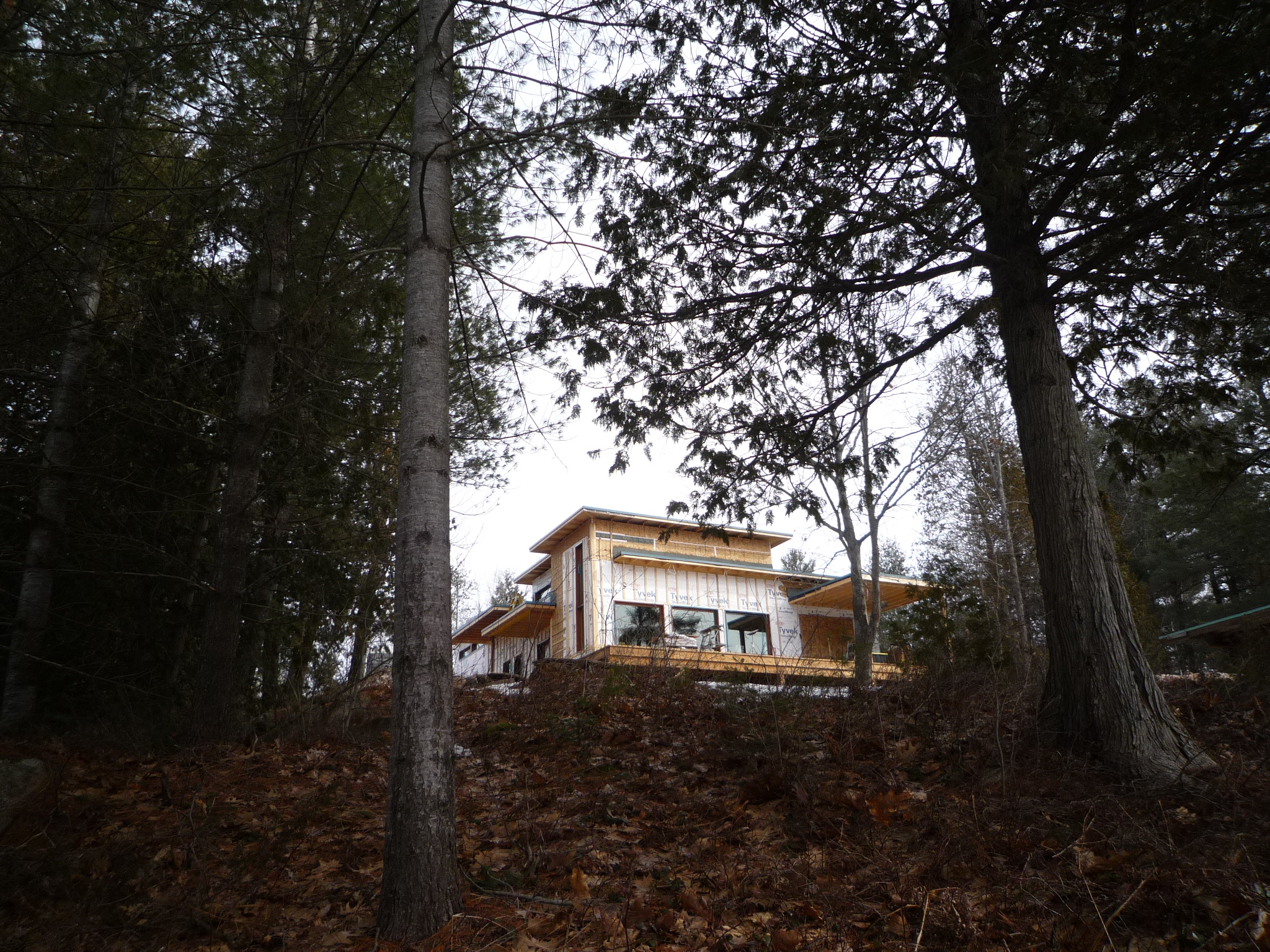
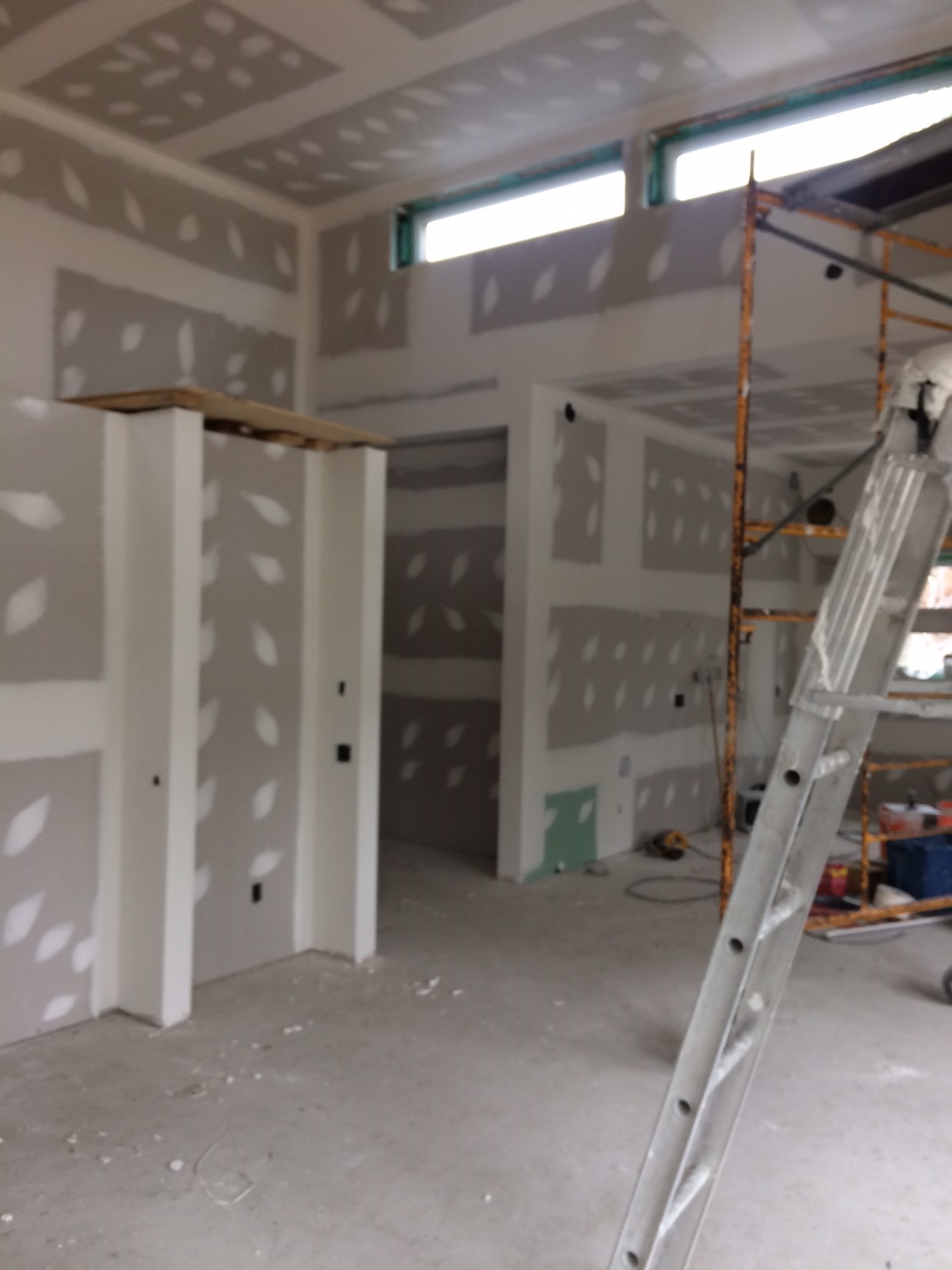
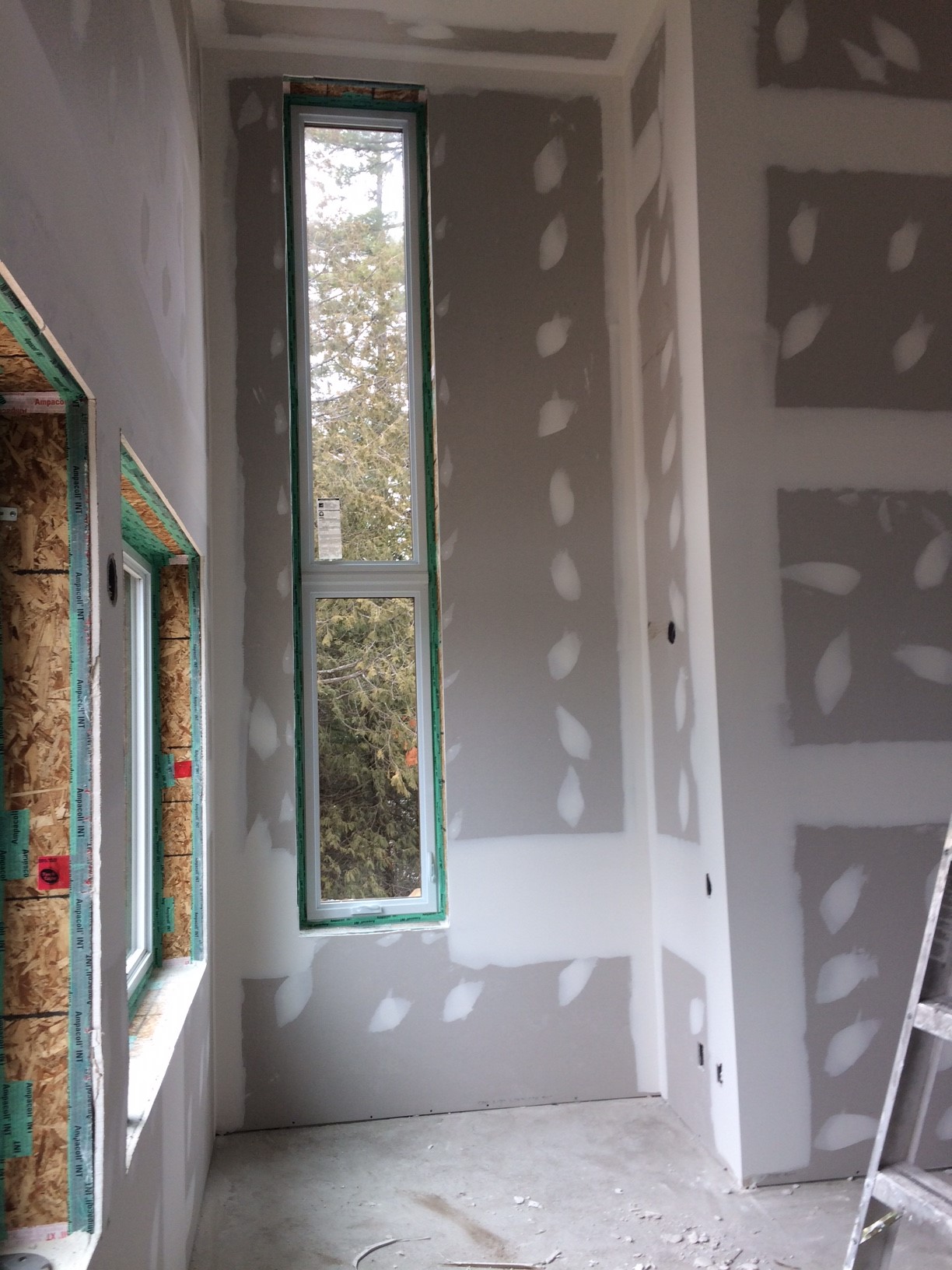
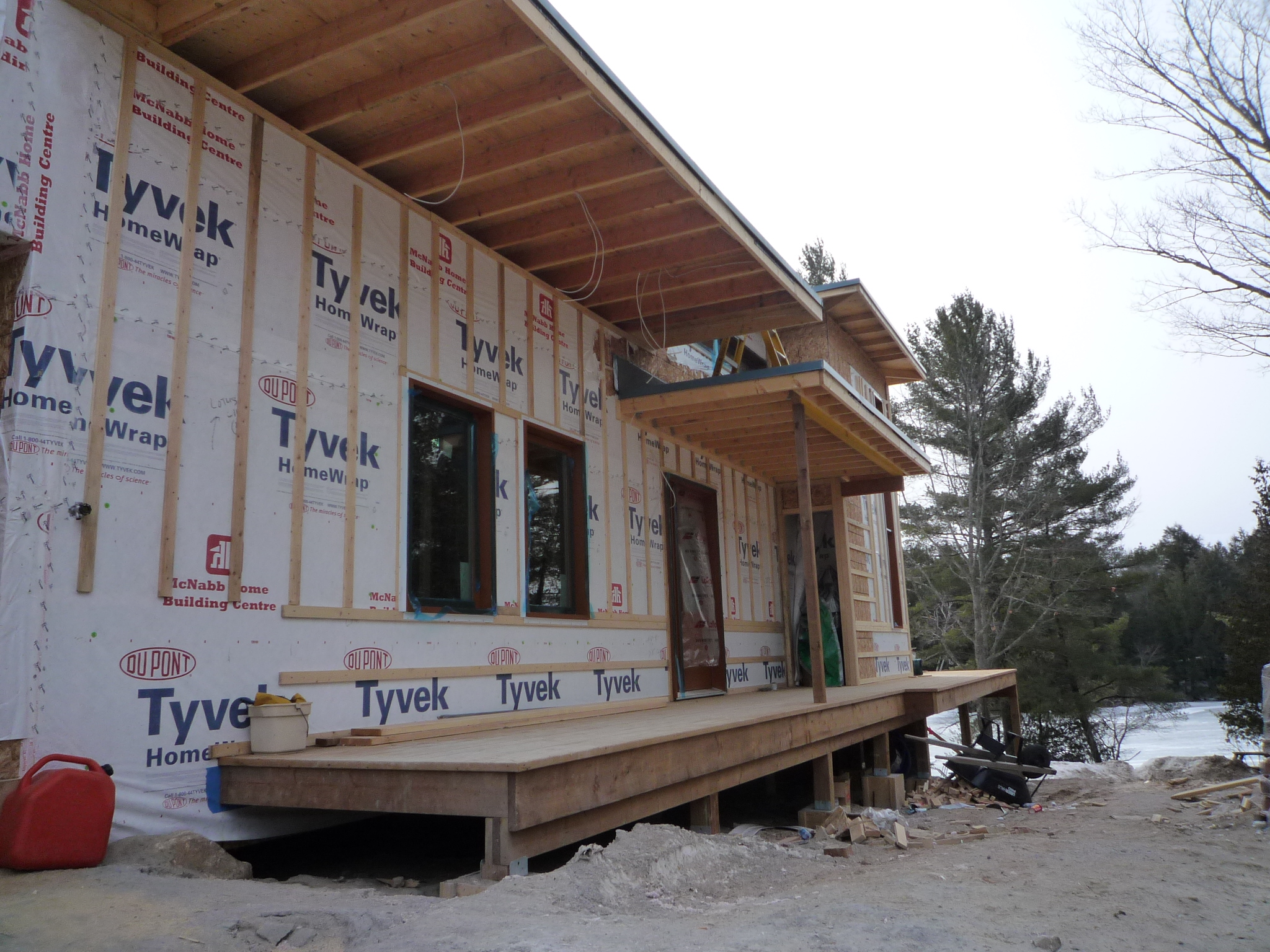
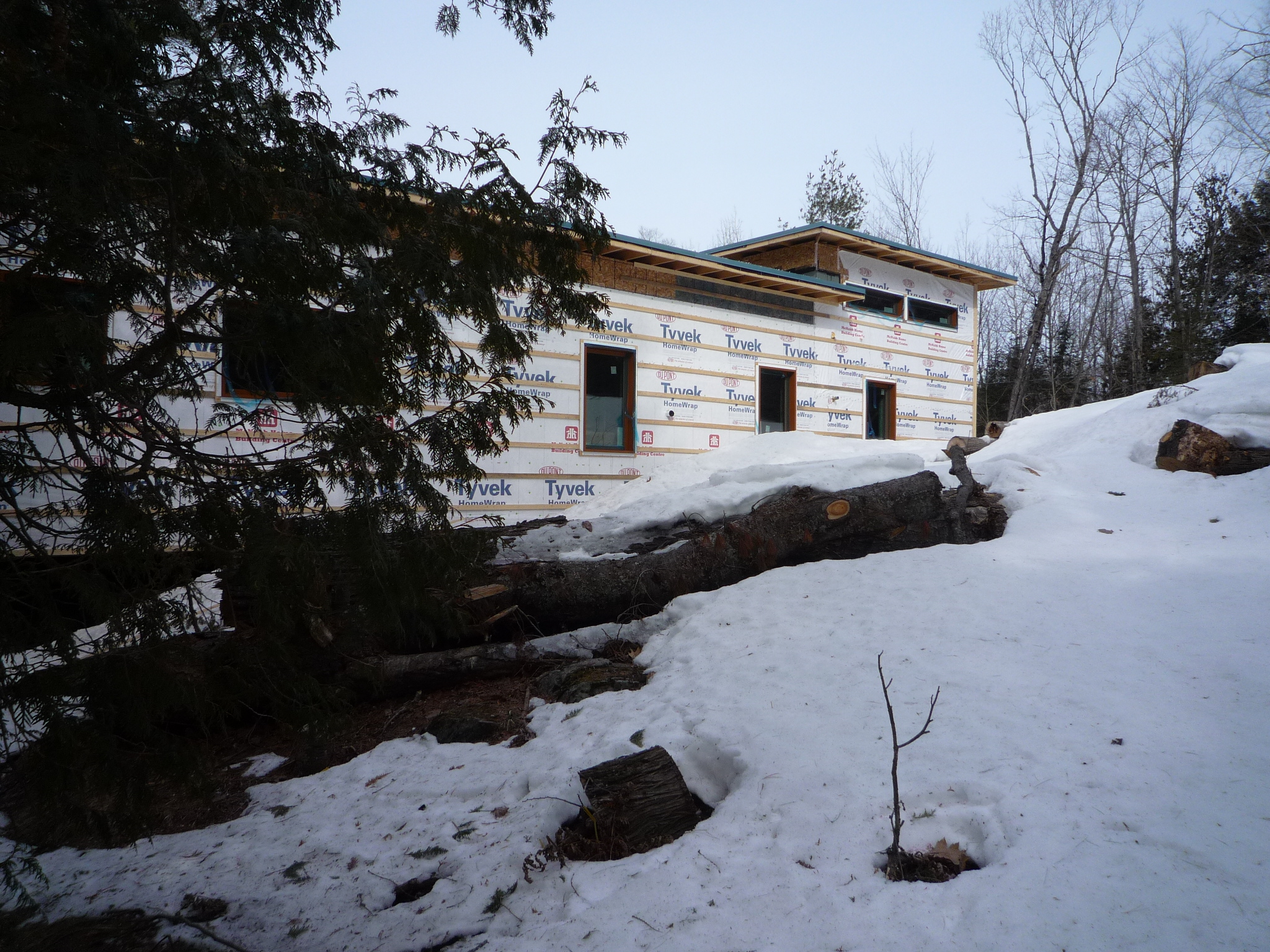
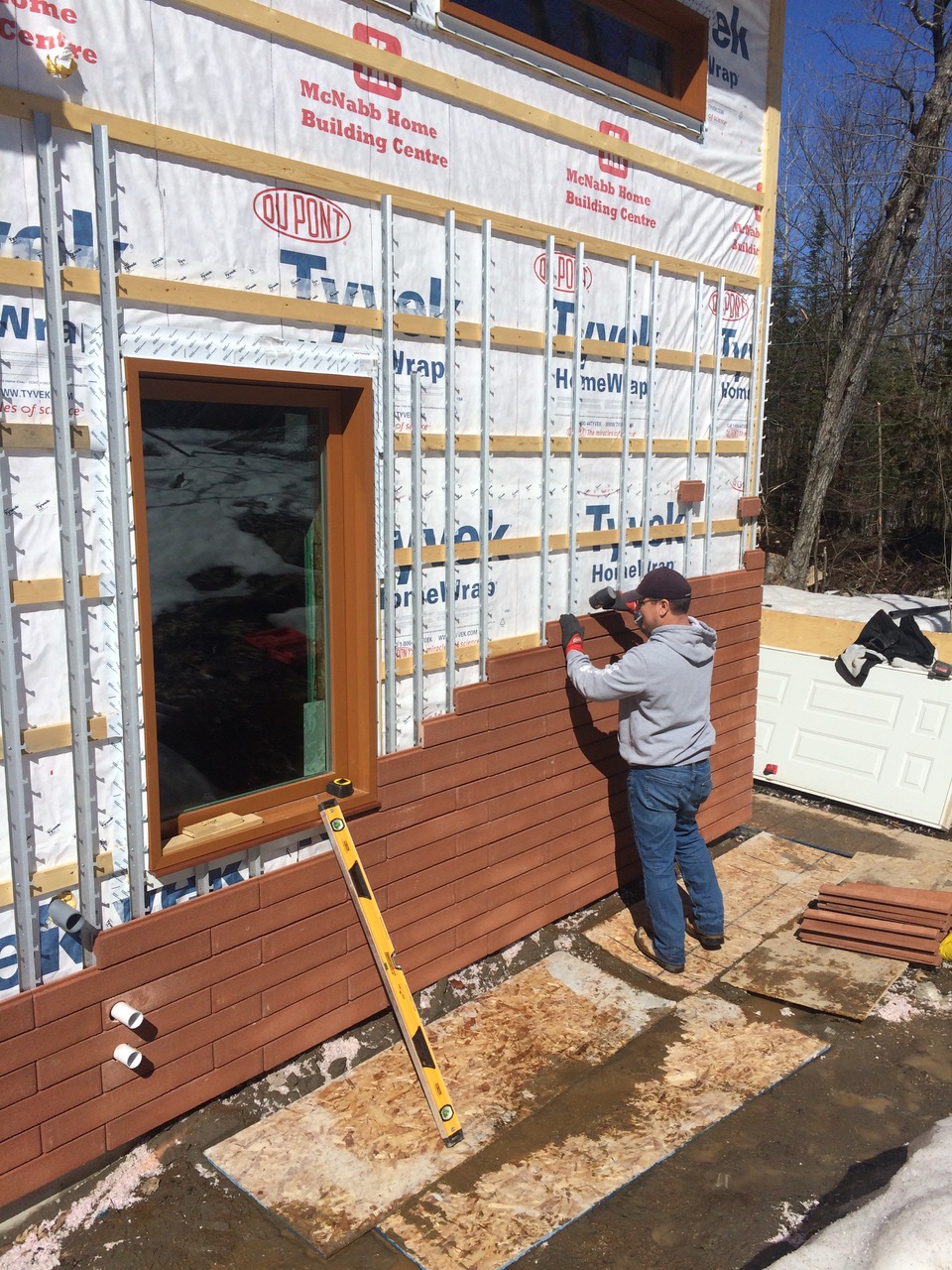
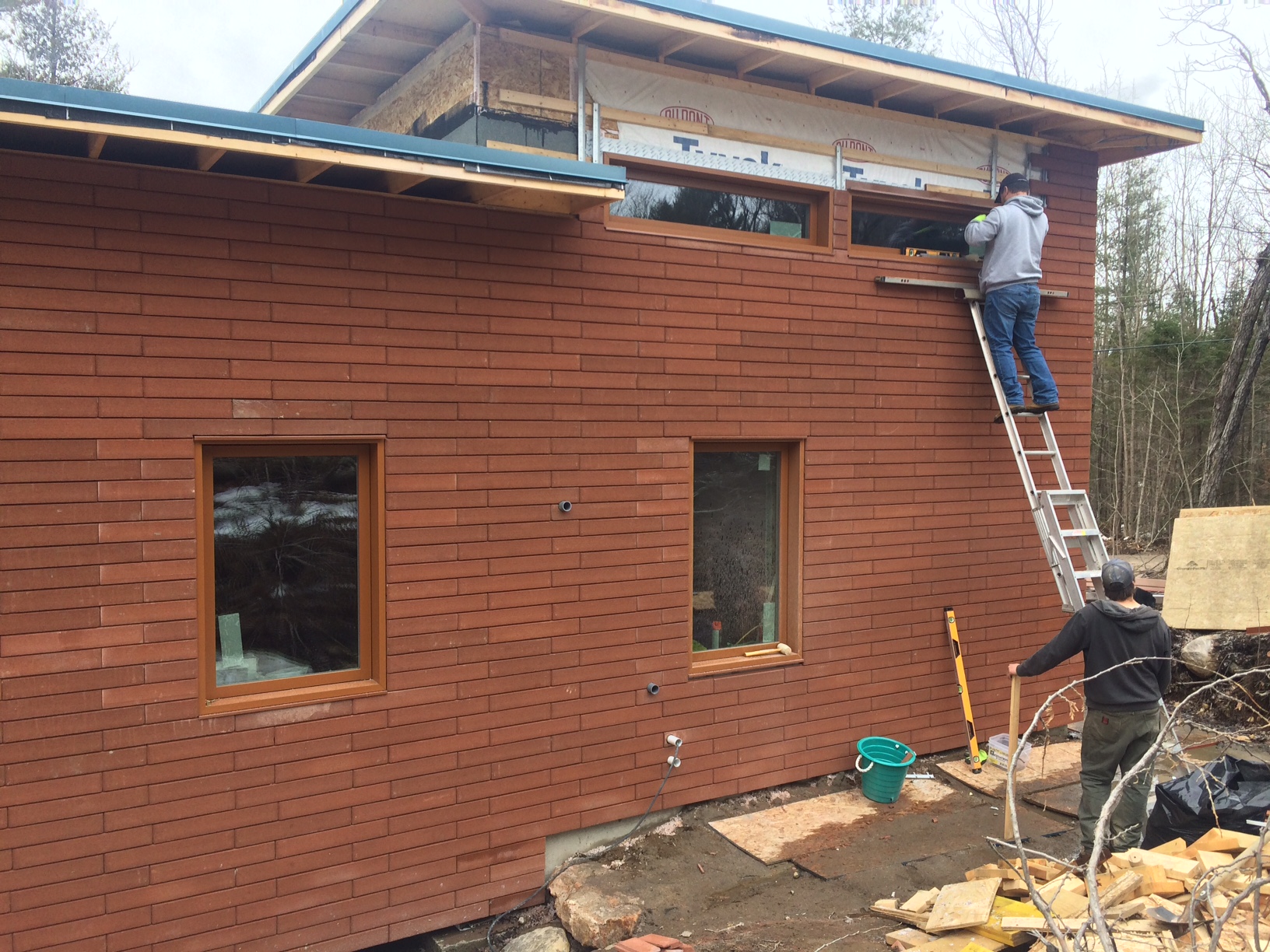
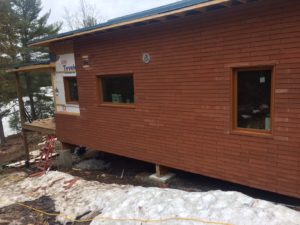
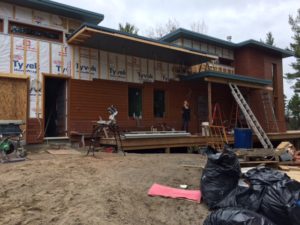
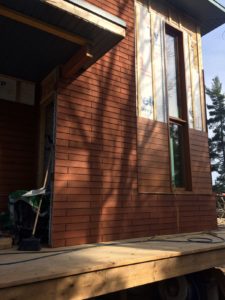
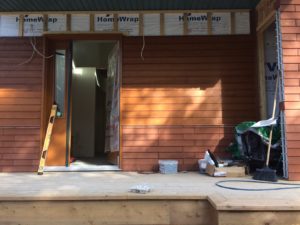
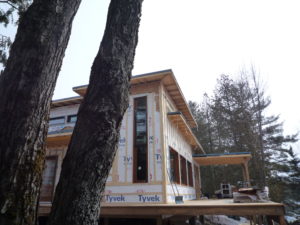
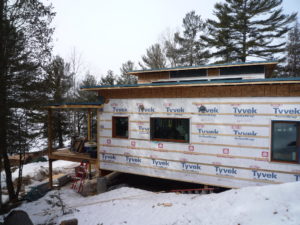
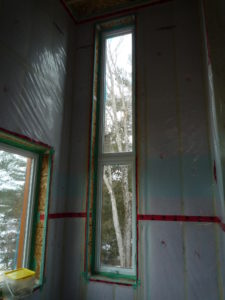
We then used a smoke pen to locat and mark areas of concern for air leakage.  The contractor was with us and we were able to find a few areas of concern that will be re-sealed.  We have been working with the contractor closely to ensure that the windows, foundation-floor connection are all done as per our Building Specialist, German’s Air-Control plan.  The photo below shows the in-progress exterior of the retro-fit with the new windows (in their plywood window boxes with air-sealing tape) installed.


Overall the house is  airtight — which means we are getting closer to our goal of being Net-Zero Carbon.


Visit us @ the Green Living Show, April 7-9th

We invite you to join us at the upcoming Toronto Green Living Show on April 7-9th at the Metro Toronto Convention Centre. Coolearth Architecture’s booth is 1546.

At the Green Living Show we will be sharing a plan to make your home Net-zero in five years. Homes in the GTA use a substantial amount of energy to heat in winter and cool in summer. They are also often chilly or overheat. The carbon emissions from running a home can amount to a lot of emissions per capita. Retrofitting of existing homes can make them more comfortable, have lower heating/cooling demands, and reduce the greenhouse gas emissions of the household. Renewable energy can provide electricity to batteries or back into the grid for Net-zero performance. Each home is unique: structuring a households transitioning to Net-Zero through data-driven analyses we can develop a five year road map for becoming Net-zero.

We look forward to seeing you there!

High Performance House Progress


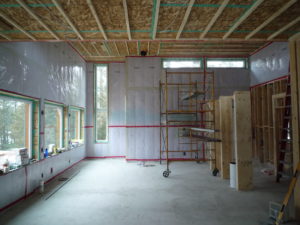
This high-performance house is starting to feel warmer, even though the winter remains!

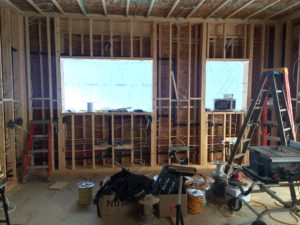
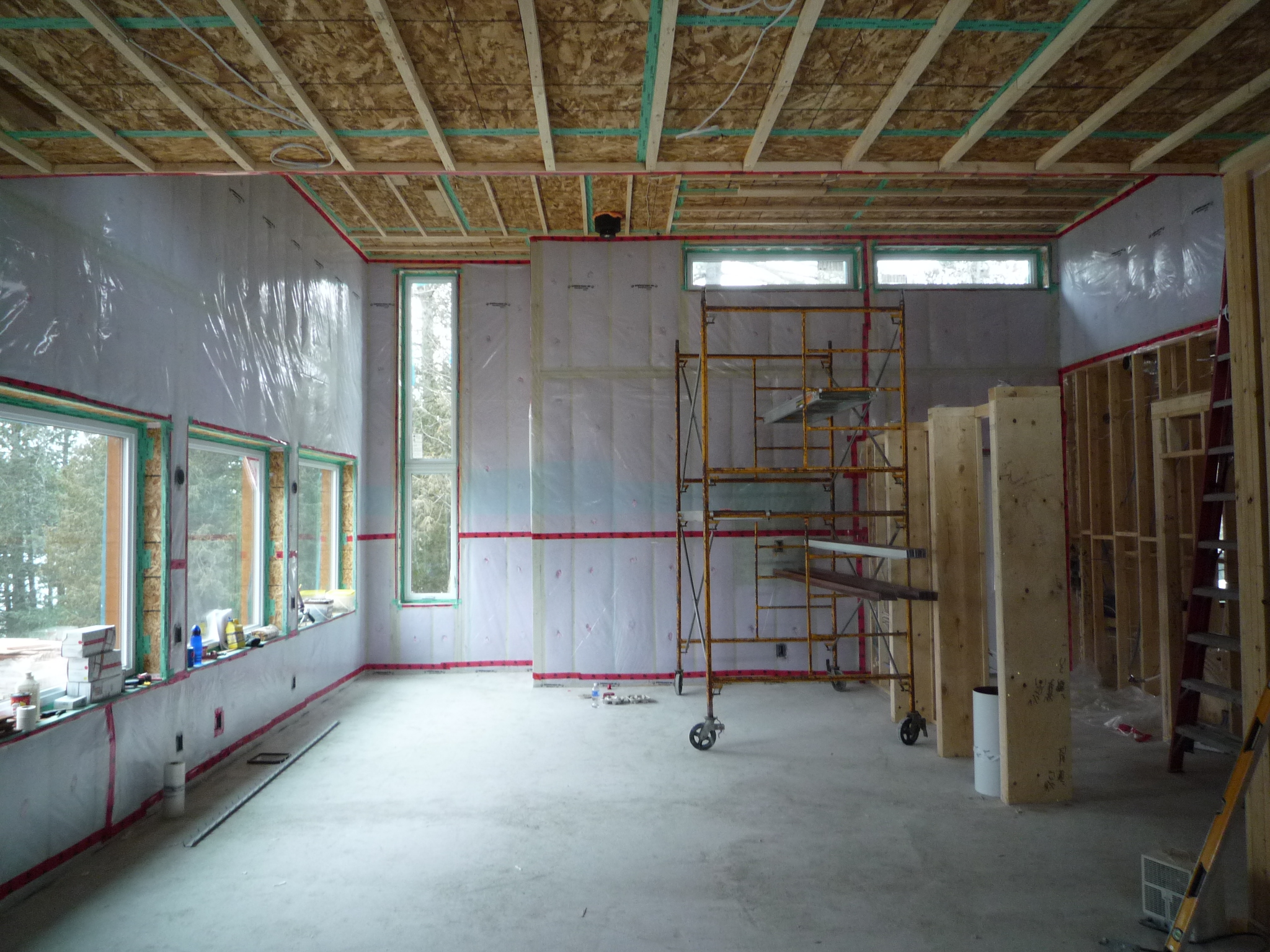
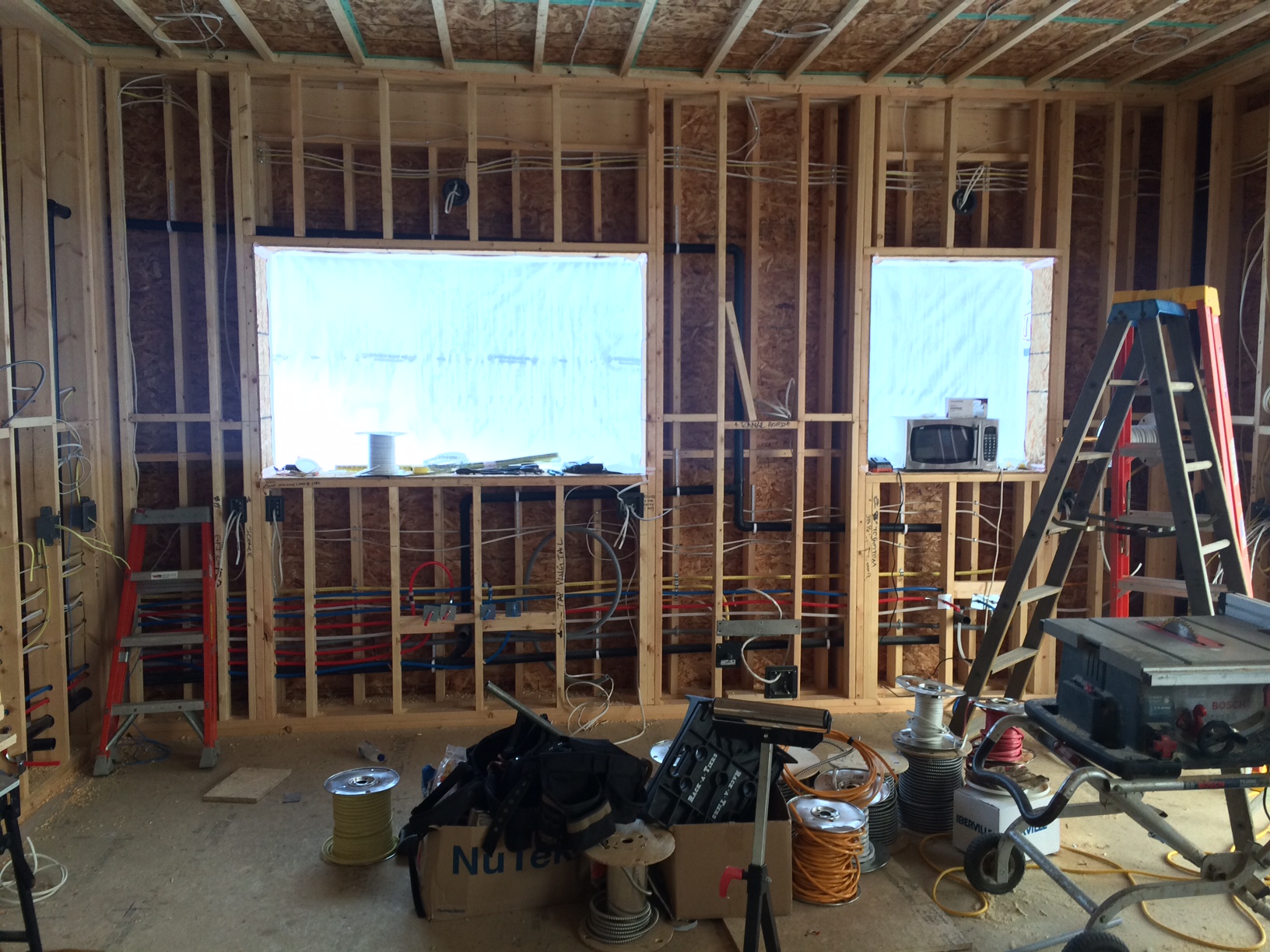
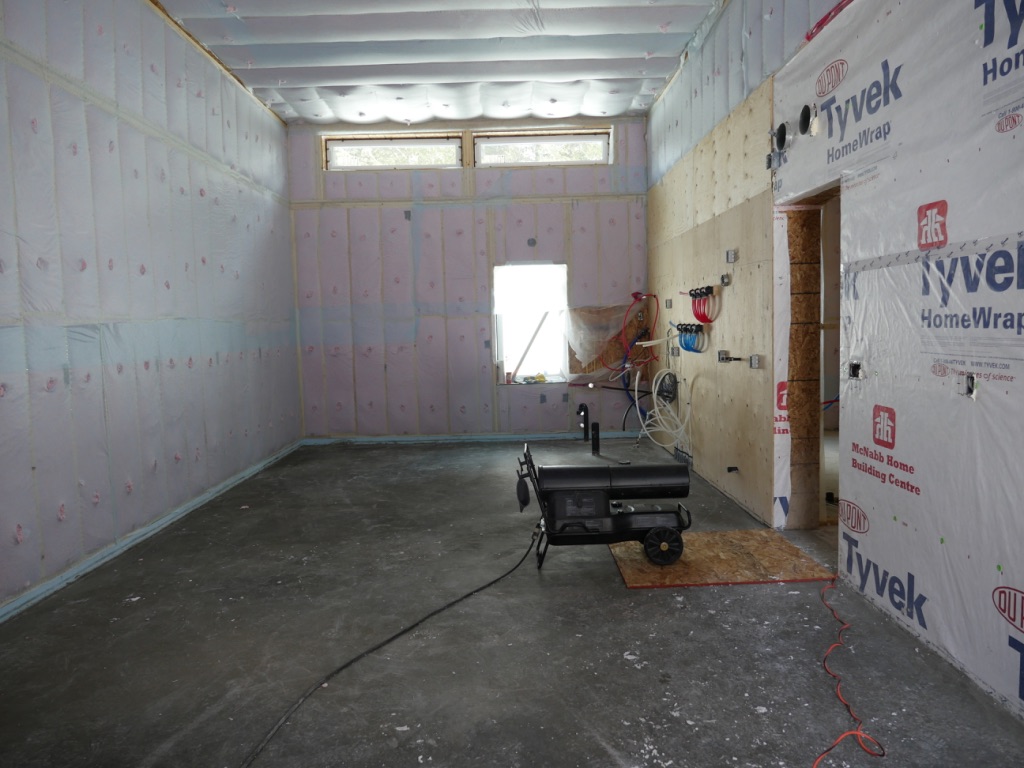
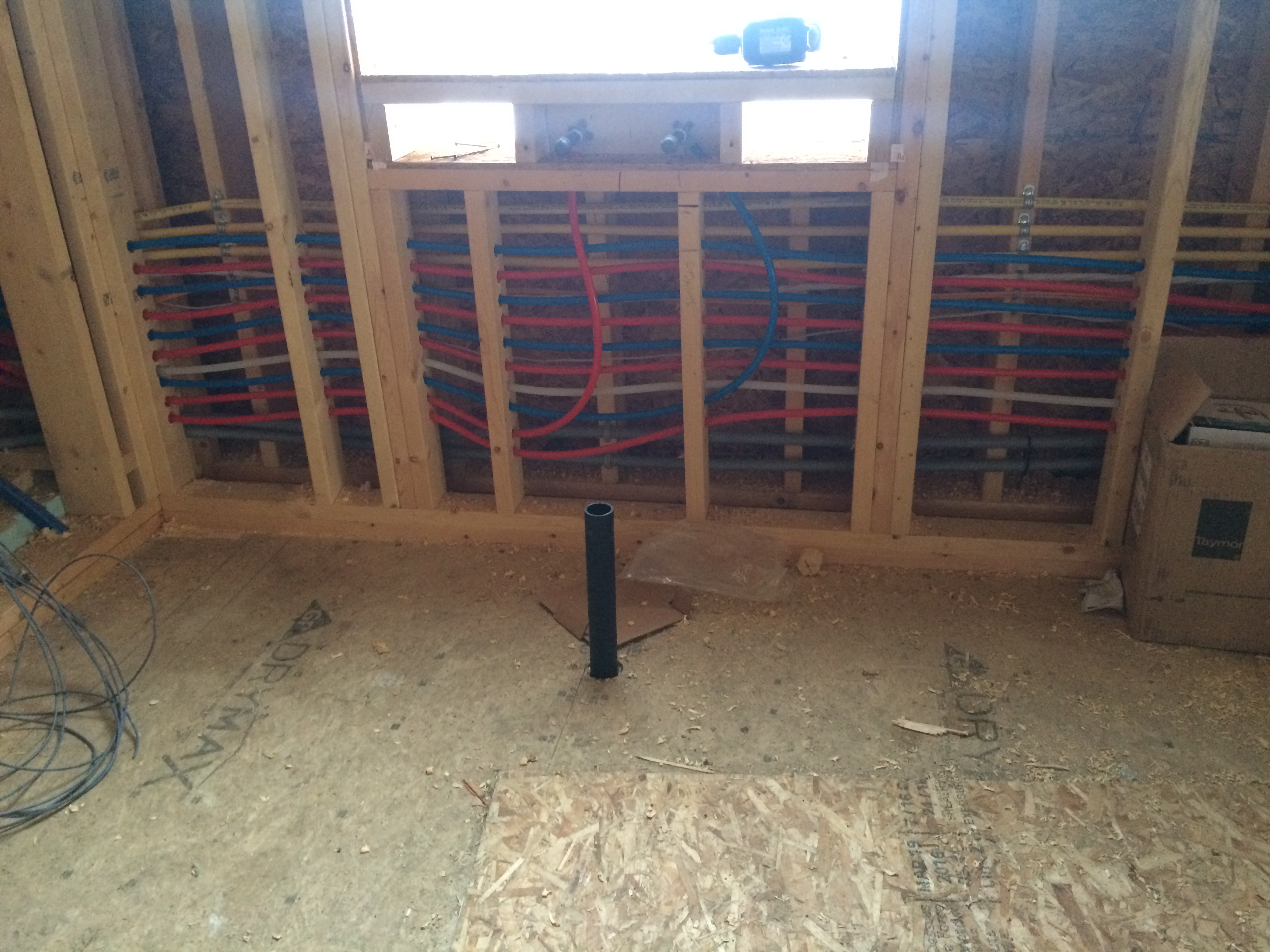
After all the wiring and pipes were finished, the blown fibreglass was installed. The installers were very careful filling up all the gaps between the pipes and cables. They tested the density of the blown fibreglass in certain areas to ensure that the insulation value is provided as specified.
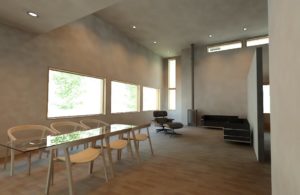
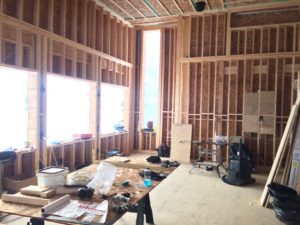


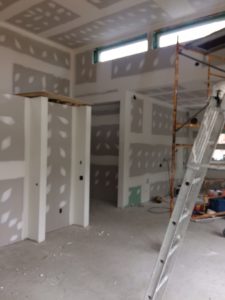
The above pictures shows the living area and kitchen, first with “bones and veins” exposed, and then covered with the “flesh and muscles”.
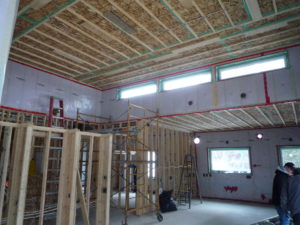
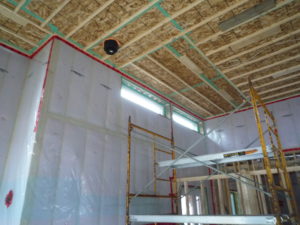


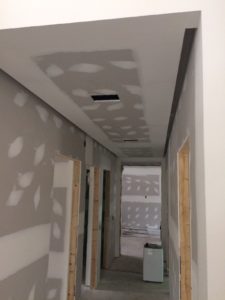
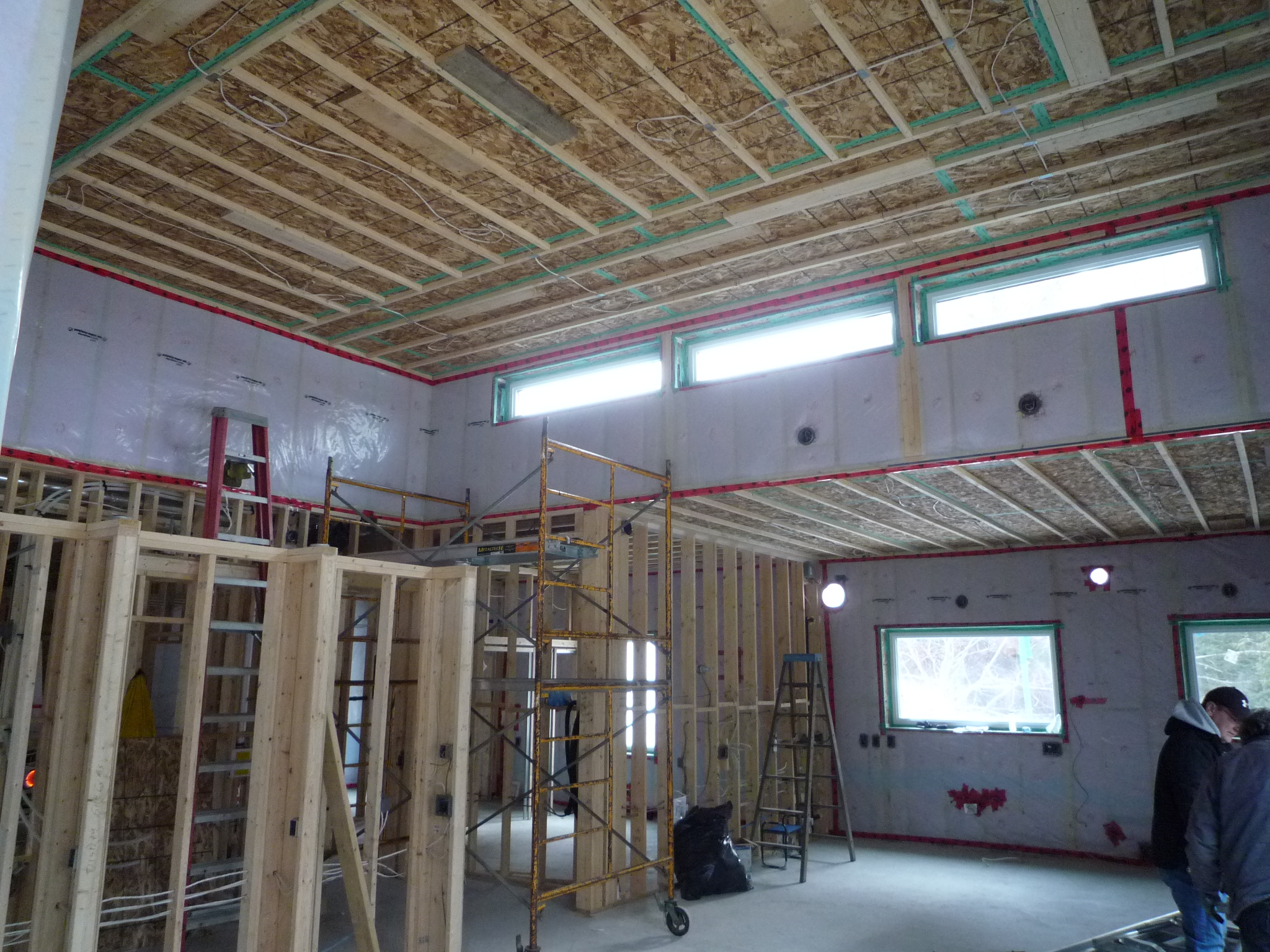
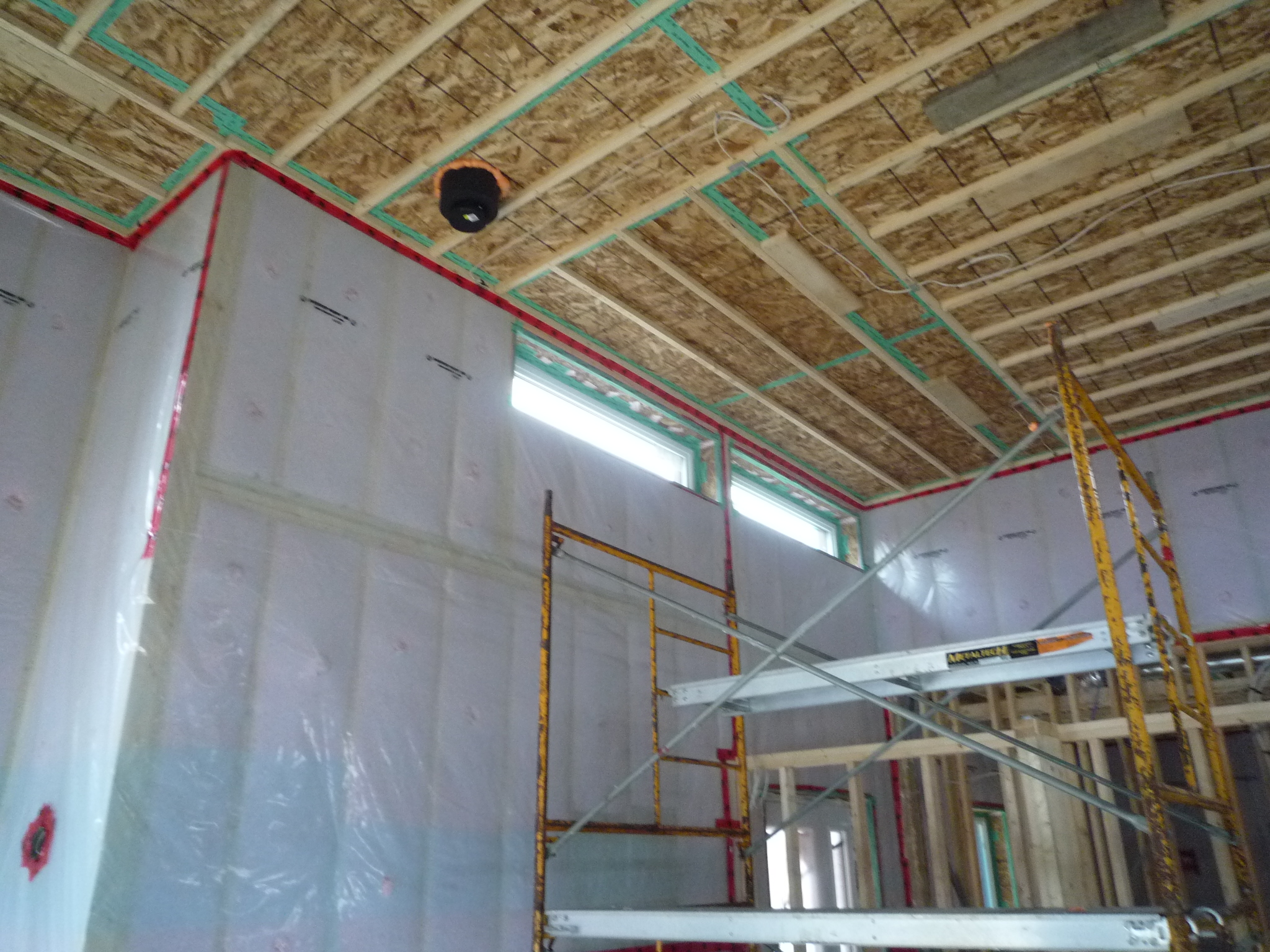
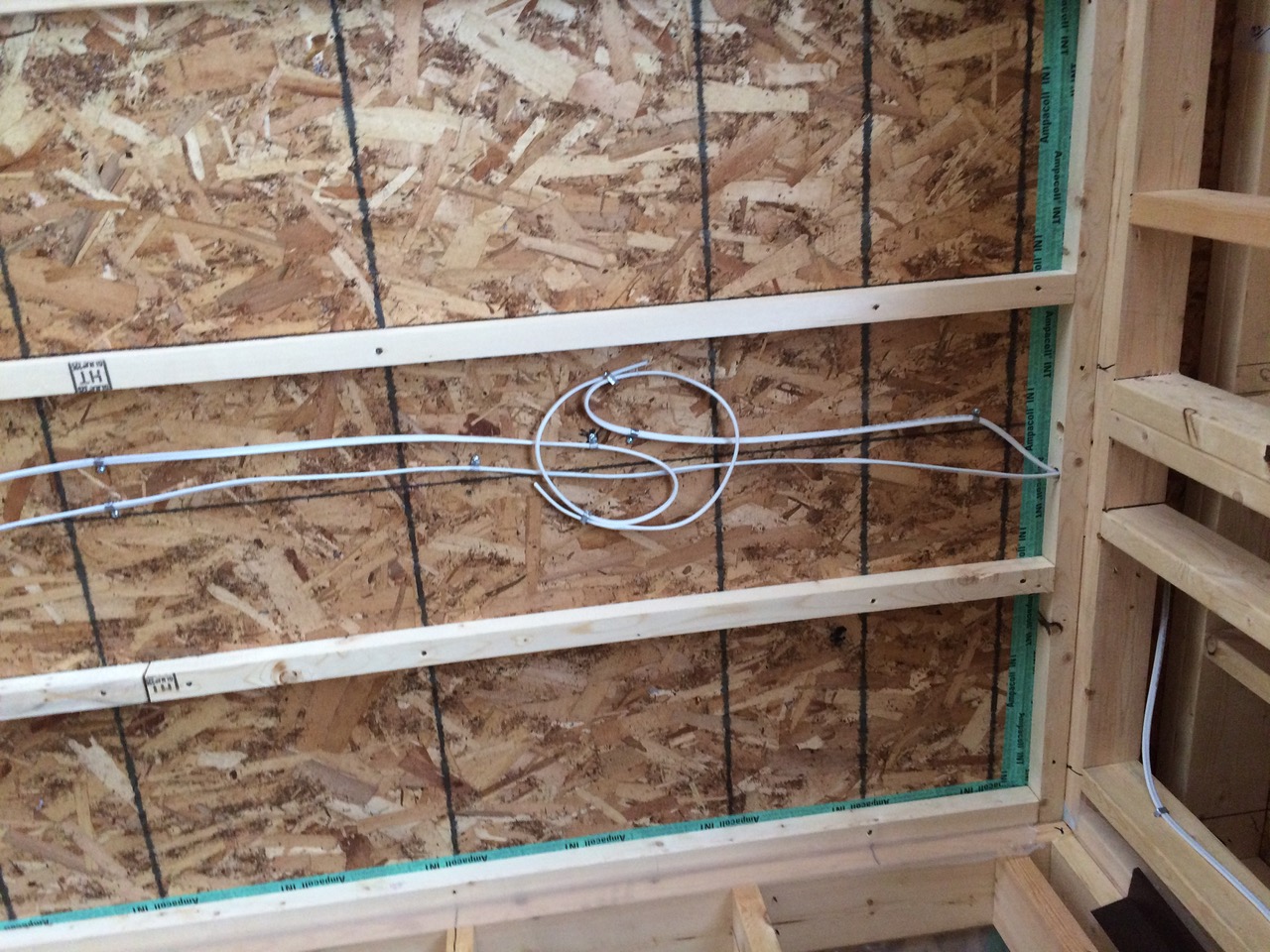
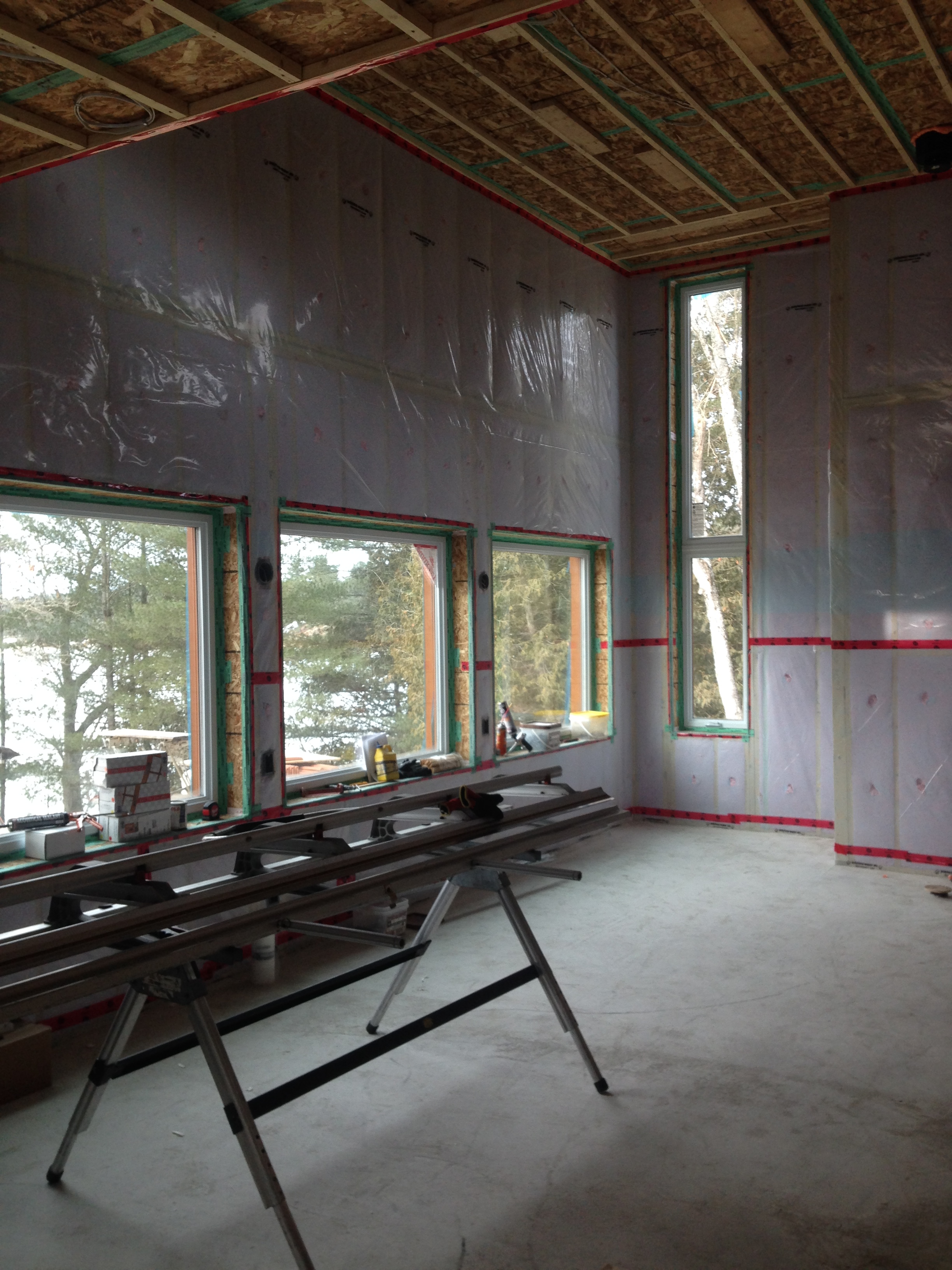
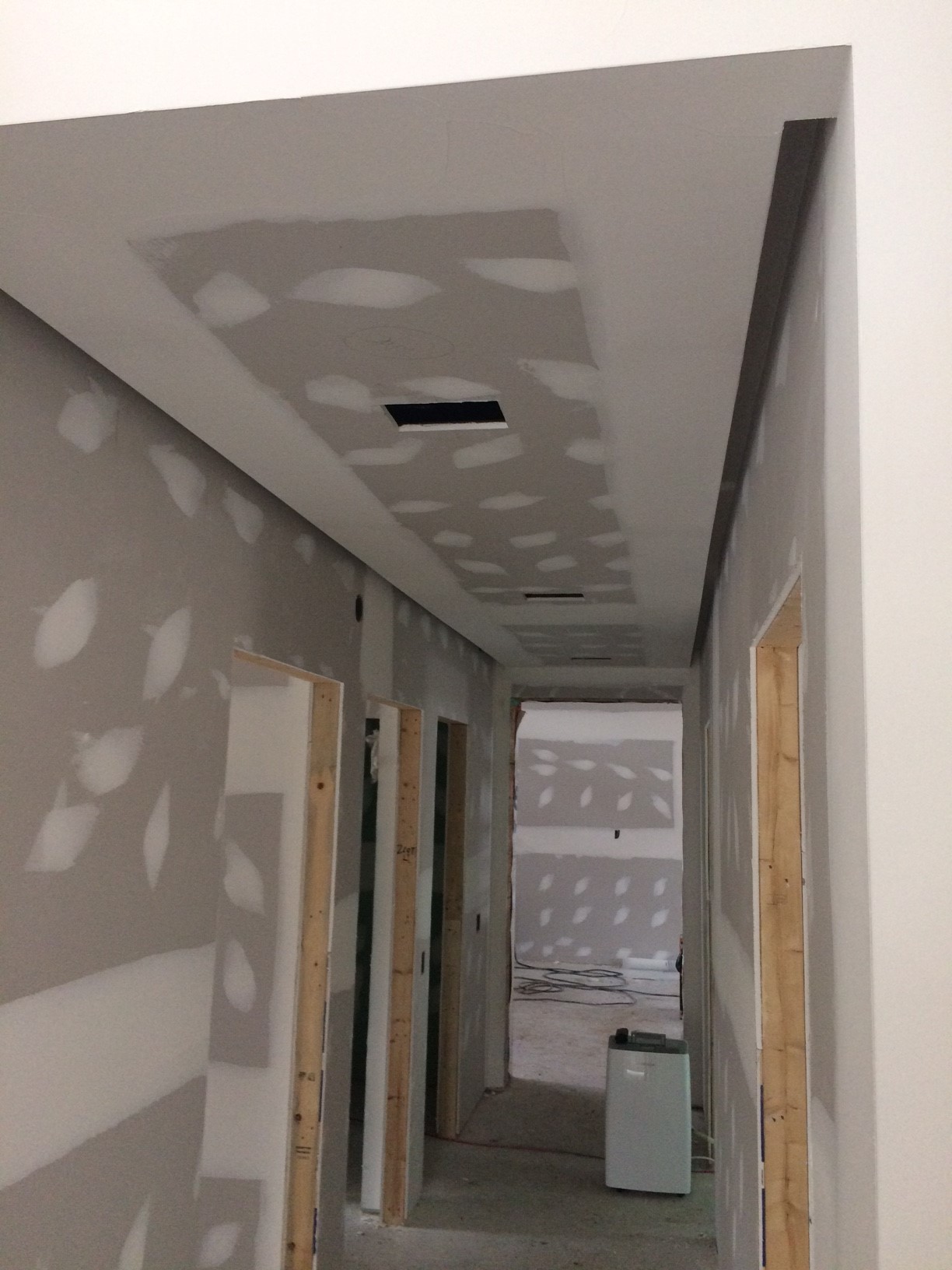
On the roof, you can see OSB planks taped with high-quality tape for air sealing, with furring to accommodate the pot lights and wiring to avoid having any punctures or holes.
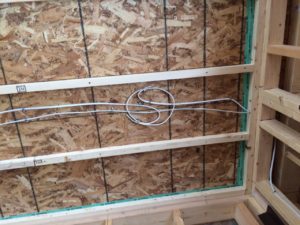
 

This is a picture of the ceiling with the OSB (air control layer) taped and the wires attached to it. The new LED pot lights are coming with lighting temperature of 2700K which is warm. The space of the furring and the gypsum boards have been co-ordinated to accommodate them without breaking the air barrier.
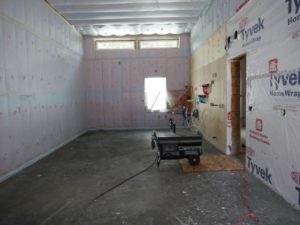
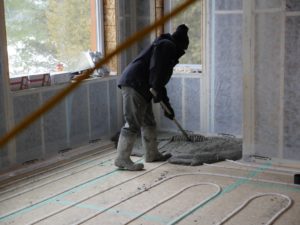


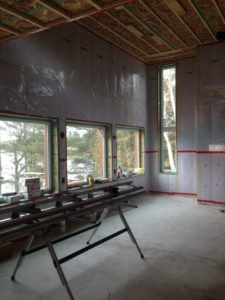
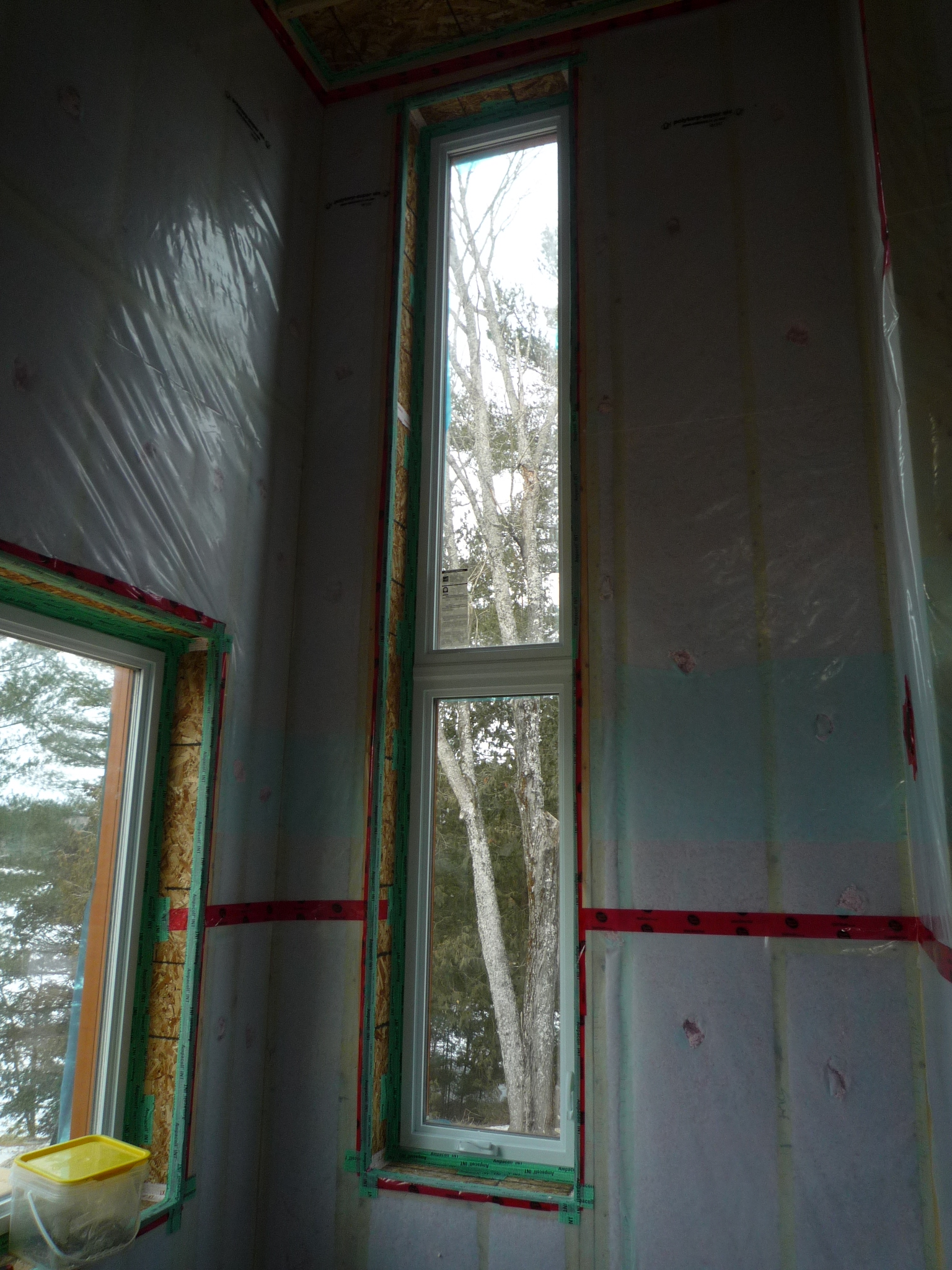
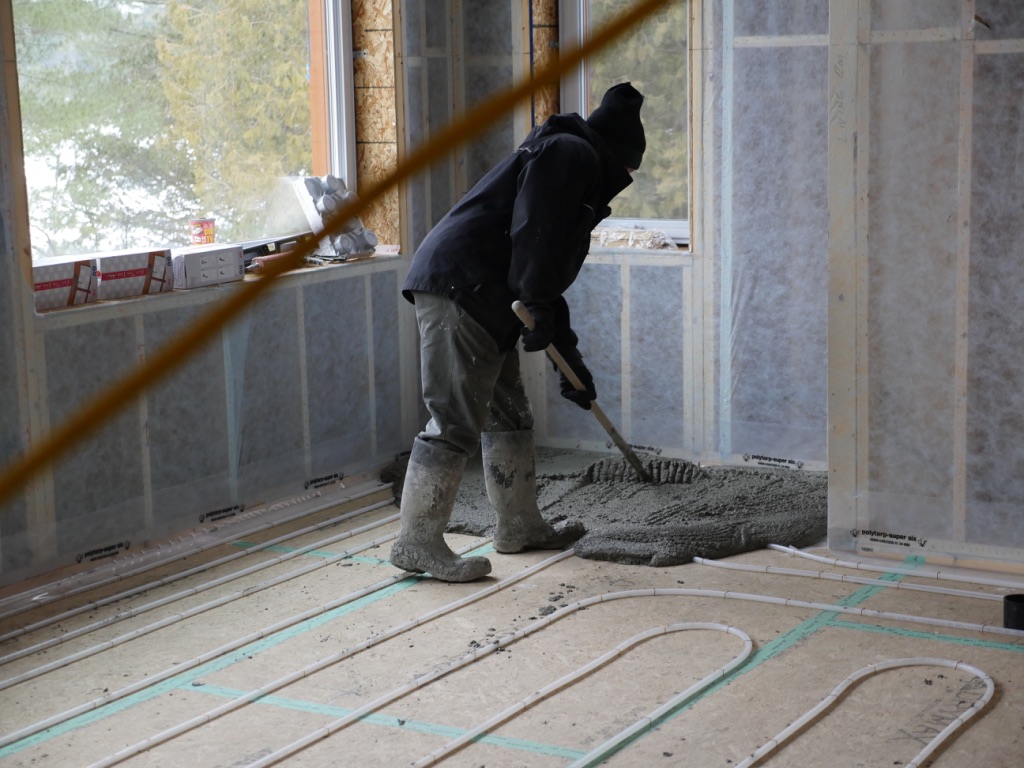
The concrete floors covering the in-floor radiant pipes are finished and the most of the windows are installed. The house is warming up!
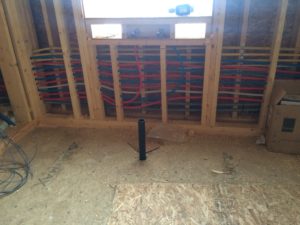


Most of the pipes are installed within the inner studs to keep them closer to the warm side of the assembly and to avoid thermal bridging. Two gas lines were located between the studs. The blown fibreglass will have a (mostly) continuous space between the studs. We will check the implications with the thermal camera once the house is in operation.
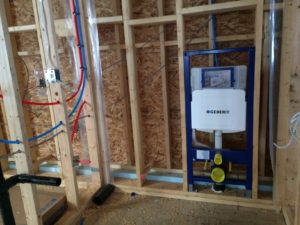

                           

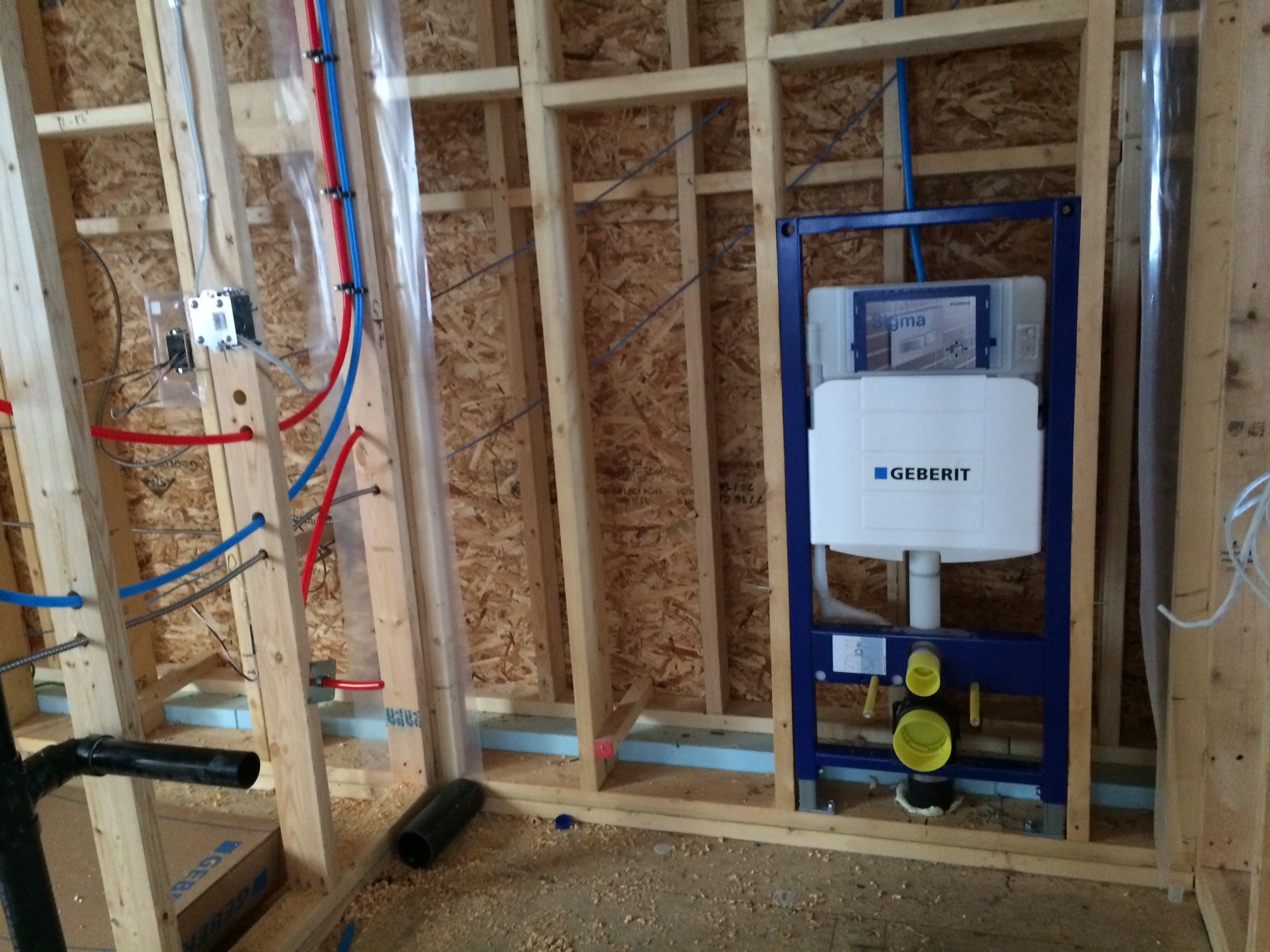
Some interior design features will be seen later as constructions progresses, but the image at left shows the structure of the wall hung toilet that is going to be installed.
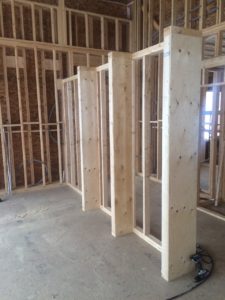
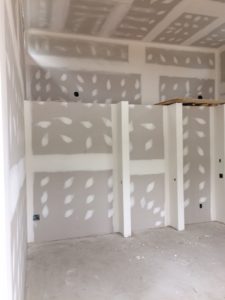
 

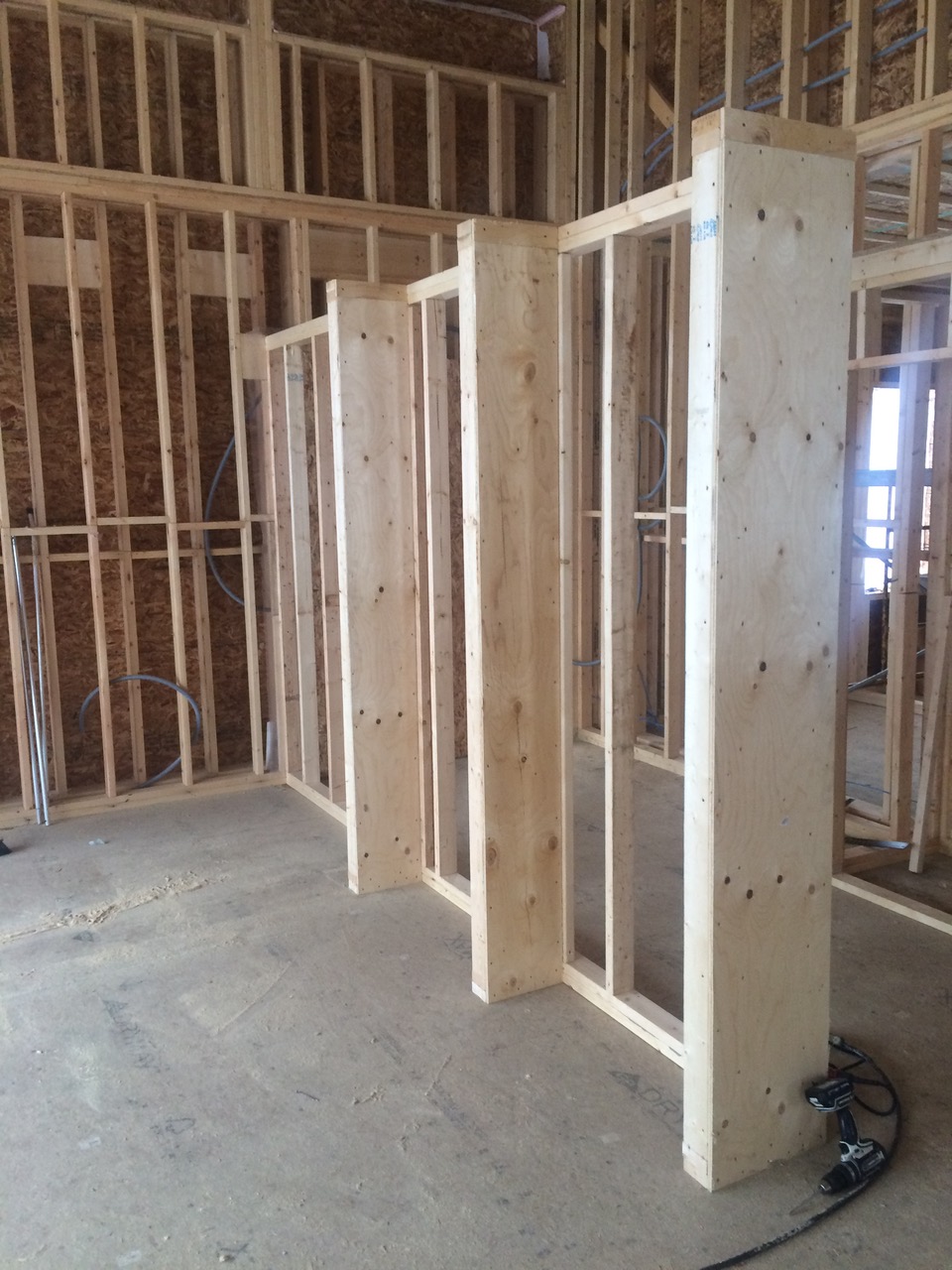
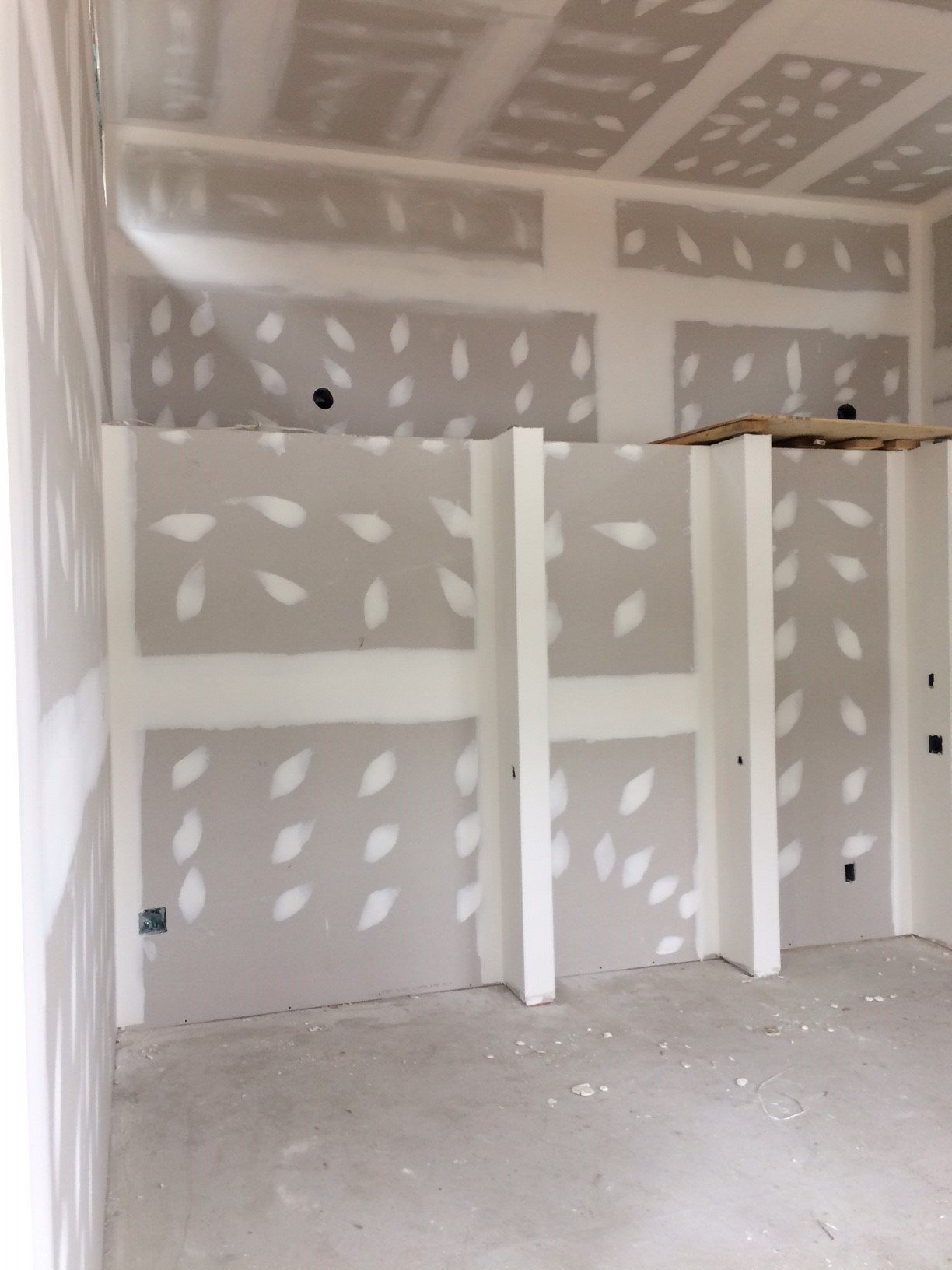
To separate the entrance from the living area, there will be a built-in shelving unit.


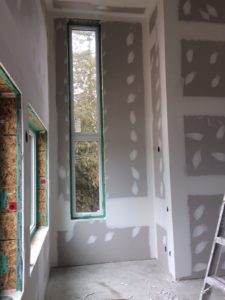
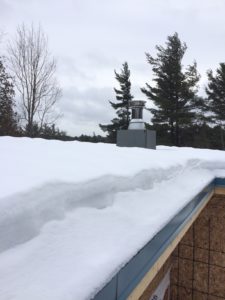
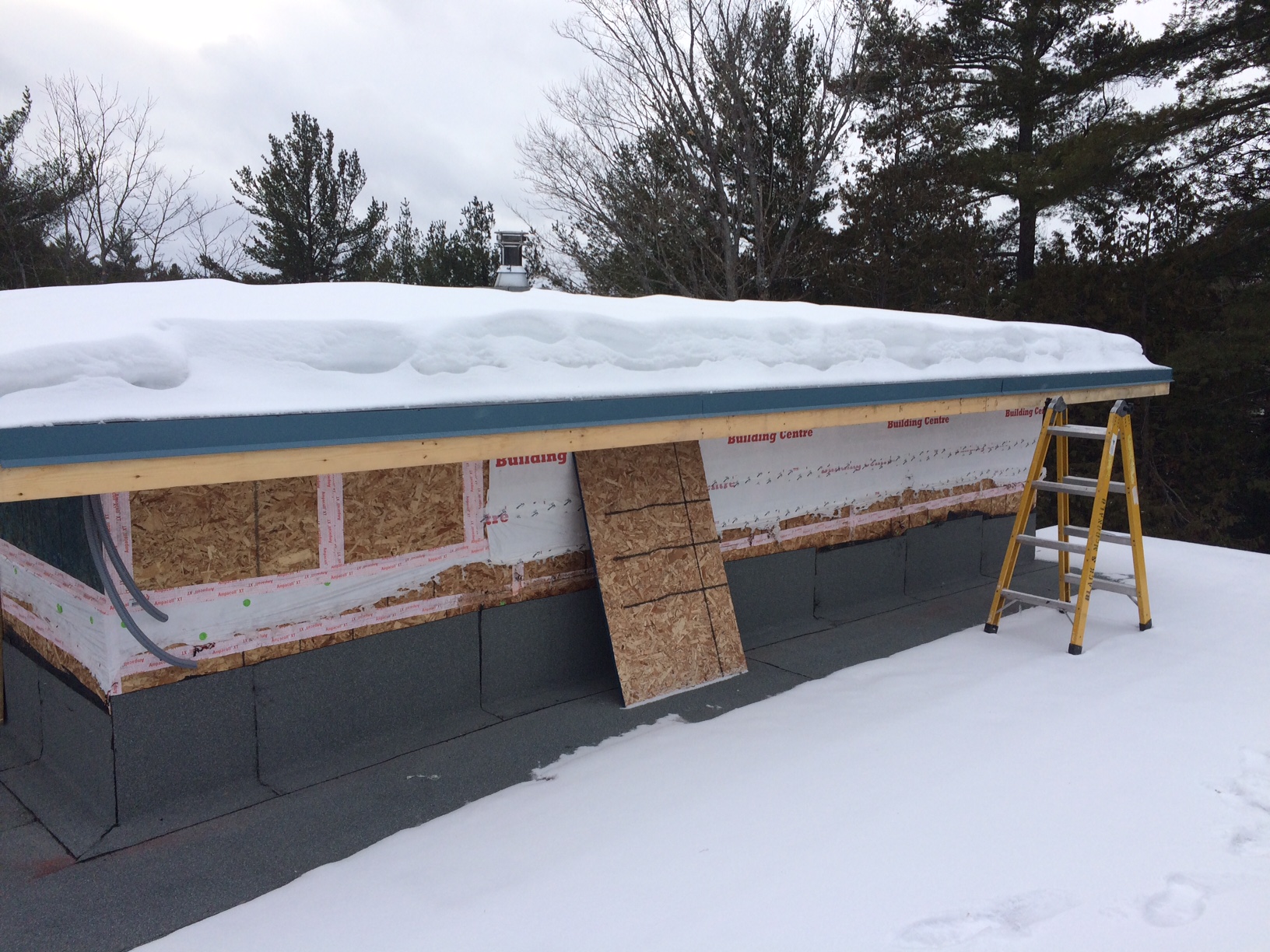
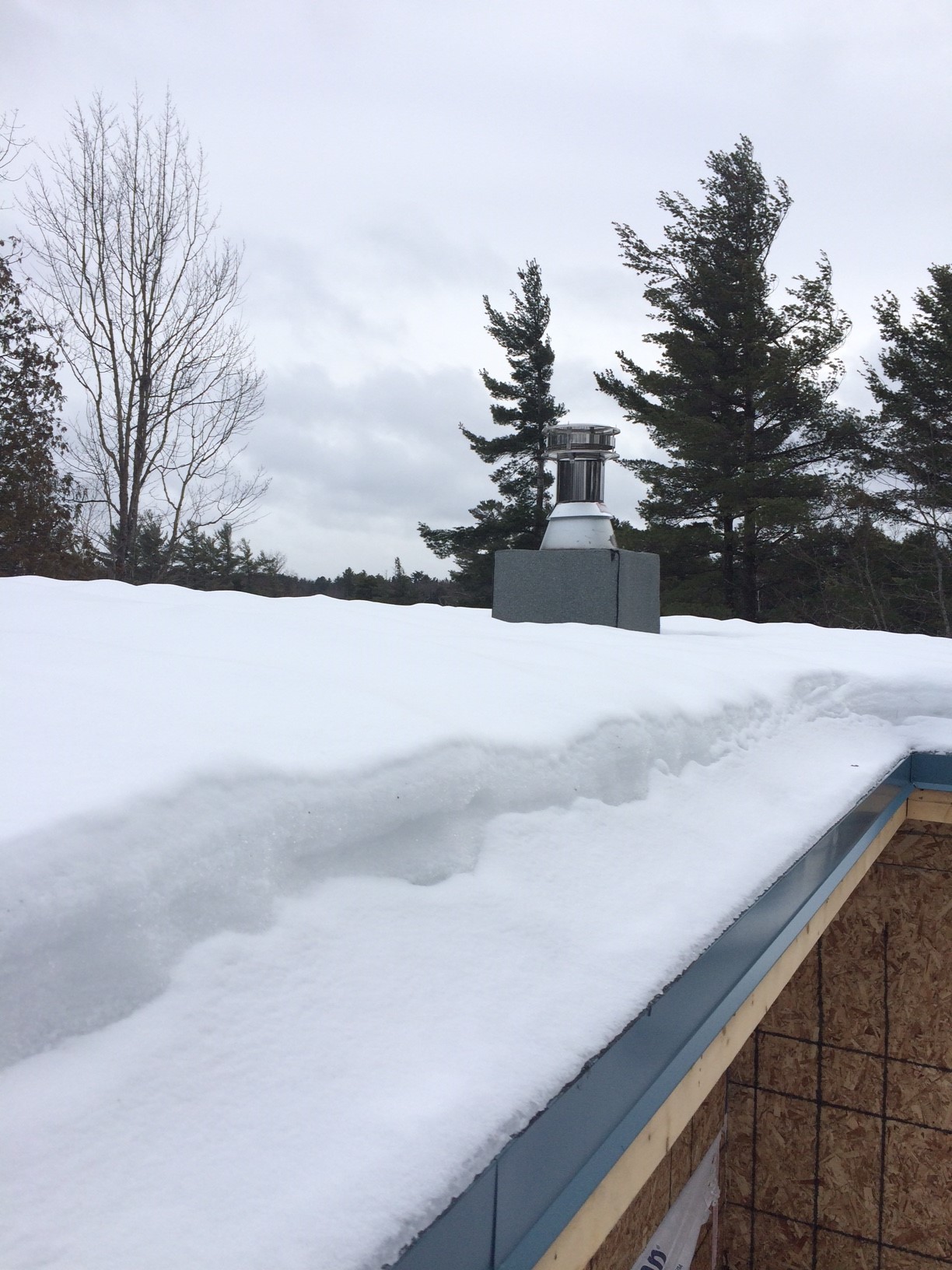
The overhangs are working perfectly, and the roof is not accumulating snow at the corners. The clerestories will provide light even when there is 2′ of snow on the roof.  The extended chimney box is also working as it is intended. It is insulated with mineral wool to resist high temperatures. You can see 18″ of snow in the picture, the roof could have another foot of snow without obstructing the flue.
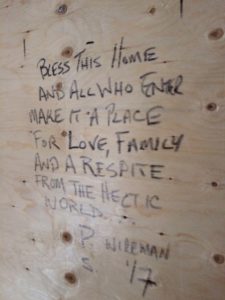
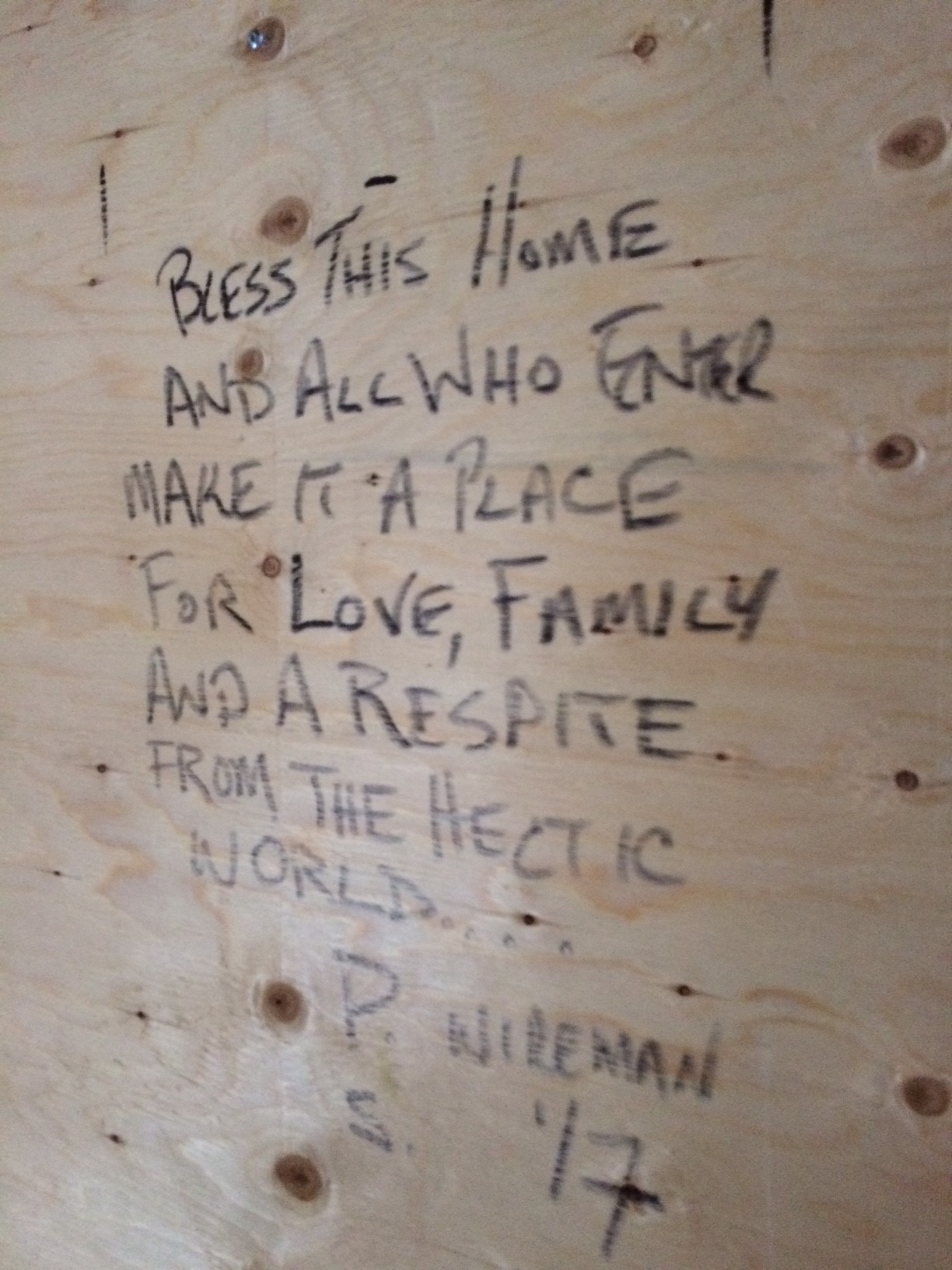
Some of the nice surprises that come when you are working with an awesome team of builders. The owners sent us this picture.


Are you planning to build a house or do you have an Interior design project in mind for your home? Give us a call at 416-868-9774 for a free consultation: we are here to help!


More pictures of the project
 

Ontario Energy and Water Benchmarking has been Implemented!

At Coolearth we began calling for the Energy and Water benchmarking almost three years ago, so it is heartening to see it implemented last week.  At that time we thought the most likely initiative would be  via the City of Toronto, but since then Toronto partnered up with Ontario to implement a province-wide policy.  We published a White Paper on the topic entitled “Toronto Energy Disclosure By-Law”  to outline what building owners could expect on the topic.  Some of our key findings, which still hold true are:
 

Summary of Key Points:

1.) Energy Disclosure Laws are coming to Canada

2.) Benchmarking and tracking makes visible trends and opportunities to save on utility costs.

3.) Significant opportunity to address leading GHG emissions generator in Toronto.

4.) Energy modelling and data-driven analyses of opportunities can help with capital expense planning

5.) Sustainable building improvements can act as a hedge against increase energy costs.
6.) Stakeholders, including owners, managers, tenants, and lessees can save money instantly by changing behaviour and educating about sustainable practices.


The Ontario Energy and Water Benchmarking program, which begins this year (2017) covers: commercial, multi-unit residential and some industrial buildings 50,000 square feet and above. “Most industrial buildings, i.e. manufacturing facilities, and all agricultural facilities would not be included.”  A more detailed breakwdown of the proposal from the Ontario Governments site:
 

  • – Building/property owners would be required to report energy, water, greenhouse gas (GHG) emissions, as well as other building characteristic information on an annual basis using  ENERGY STAR Portfolio Manager.
  • – Phased-in over three years, starting with the largest buildings.
  • – Requires electricity, natural gas and water utilities to make whole building, aggregated, consumption data available to building owners.
  • – Public disclosure (on Ontario’s Open Data website) one year after initial reporting year for each of the three phases. Some data will not be disclosed publicly (e.g. site/source energy use, total GHG emissions and gross floor area on a building by building basis).
  • – Building owners would be required to confirm in Portfolio Manager that the reported data is accurate.
  • – Verification by a third party would not be required under the proposed regulation.
  • – No requirement for Conservation and Demand Management (CDM) Plans in initial years of reporting.


Obviously we feel that while this is a great step, Energy and Water Benchmarking should be expanded to include as many buildings as possible.  In aggregate, detached residential homes contribute a substantial amount of aggregate GHG and use a lot of energy.  Having a program that also creates disclosure of energy-use for residential buildings to potential buyers, lessee, or tenants has the power to help drive even more substantial increases in energy efficiency in our built environment.

A Practical Approach to Climate Change

This Winter Sheena Sharp published another article in the “In Touch” magazine by the REIC (Real Estate Institue of Canada) on “A Practical Approach to Climate Change”.  The text is reproduced below.


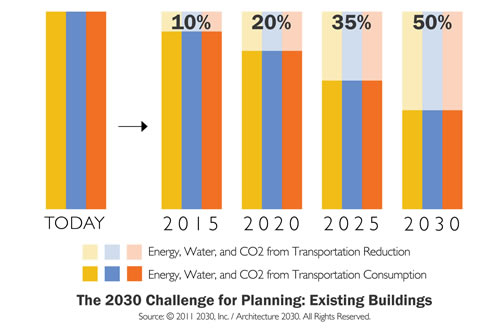
The Toronto 2030 District is a program created by Architecture 2030, a non-profit think tank looking at how our buildings can meet the challenge of climate change. We need a think tank because we don’t have the answers.  We know we have to achieve an 80% reduction in GHG emissions by 2050, but its not at all clear how to get there. We also need strategies for surviving extreme weather events and the ability to return to “normal” as quickly as possible. Our approach is to bring together the many players involved: building owners, property managers, service providers, and community organizations, to share key insights and find a practical way to achieve these goals.


Things that we know for sure:

– Buildings need to transition from gas to electricity for heating because otherwise an 80% reduction in gas use is not possible.

– We will need more clean electricity if we are to use electricity for heat, and conservation measures are the least expensive way of meeting that need.

– Actions like lamp replacement will get us at the most, a 15% reduction in energy use. We need deeper changes.

– Most of the buildings in existence today, will still be in existence by 2050, so existing buildings will be a major focus for the solution. (Consider that none of the cars on the road today, will be on the road in 2050)

In short, this is a colossal task, however, it is not a hopeless task, and there are several promising approaches to be investigated.


The first is that building maintenance is the friend of climate mitigation. Most building owners have reserve funds and have a planning strategy for replacement that covers the next 35 years. In that time our windows, roofs and walls might be refurbished once, and our mechanical systems twice. These are the most expensive elements to upgrade. We need to have an energy plan that is synchronized with the reserve fund, and improves the energy use of building elements as part of the normal repair/replacement cycle.


In suburban areas, and for low/mid-rise buildings, it is possible to offset significant energy use with solar panels. For urban areas with higher densities, district energy systems are showing promise. They generate energy at the most promising locations and share it between all buildings. They also allow excess heat from one building to be transferred to another

Pembina Institute unGALA 2017

Sheena was at the Pembina Institute’s unGALA last Thursday.  It was held in he Fermenting Cellar in the distillery district: a beautiful example of post-and-beam architecture.   The theme was “Cowgirls and Cowboys ride herd on climate policy and there was certainly a lot to talk about what with an unusually mild — and grey — January.


Photo by Greg Paupst